



Showing 1 - 10 of 65
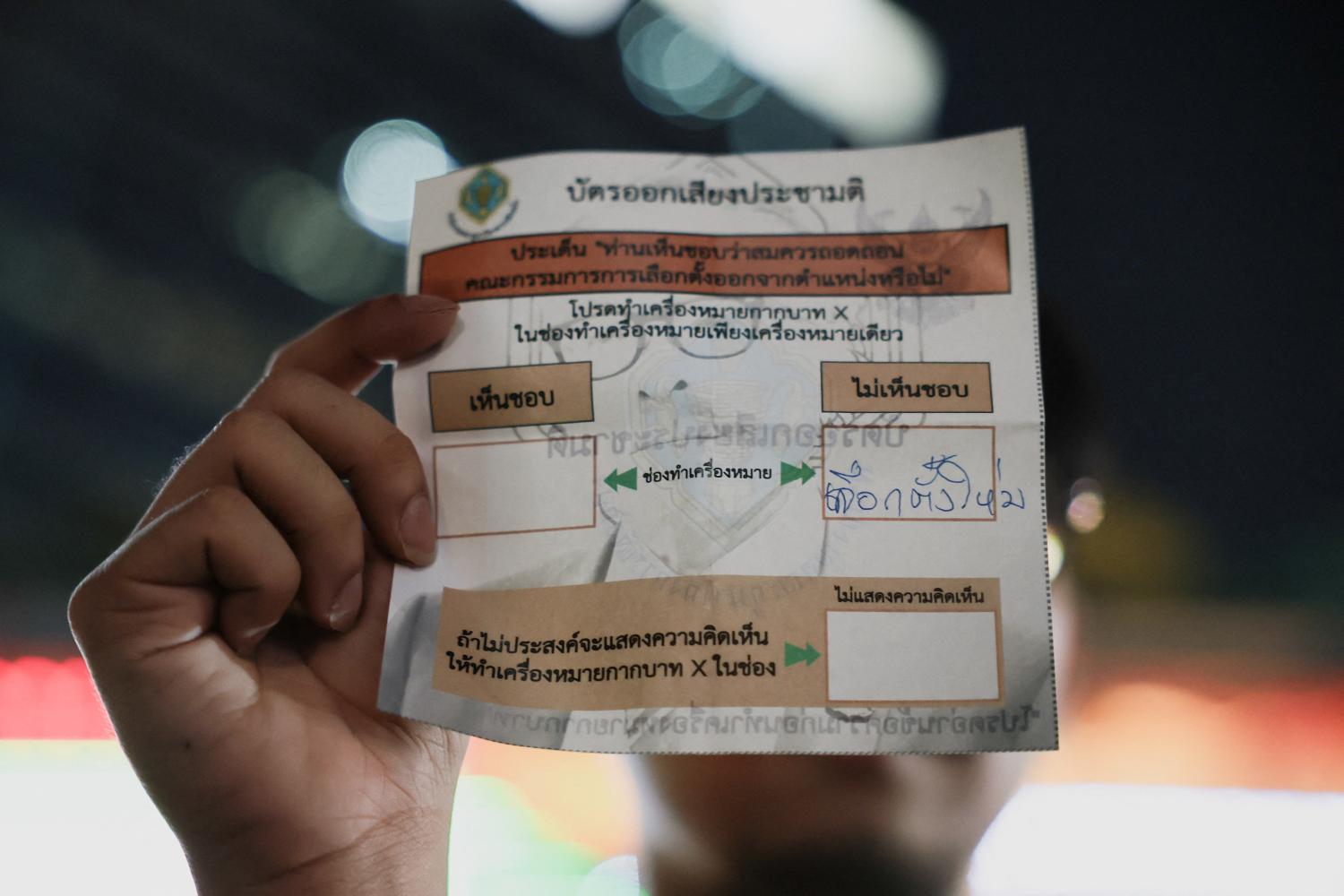
The gist of Thai politics over 20 years
Oped, Thitinan Pongsudhirak, Published on 20/02/2026
» Thailand's democratic institutions have been repressed and kept weak to the point that confusion still prevails almost two weeks after the Feb 8 election, which purportedly showed a clear victory for the ruling Bhumjaithai (BJT) Party under Prime Minister Anutin Charnvirakul. On the one hand, Mr Anutin and BJT stalwarts are busy forming a coalition government with other parties. On the other hand, fraud allegations from civil society groups and the opposition People's Party have reached a critical mass with the plausibility that the recent vote might be nullified to pave the way for a new poll.
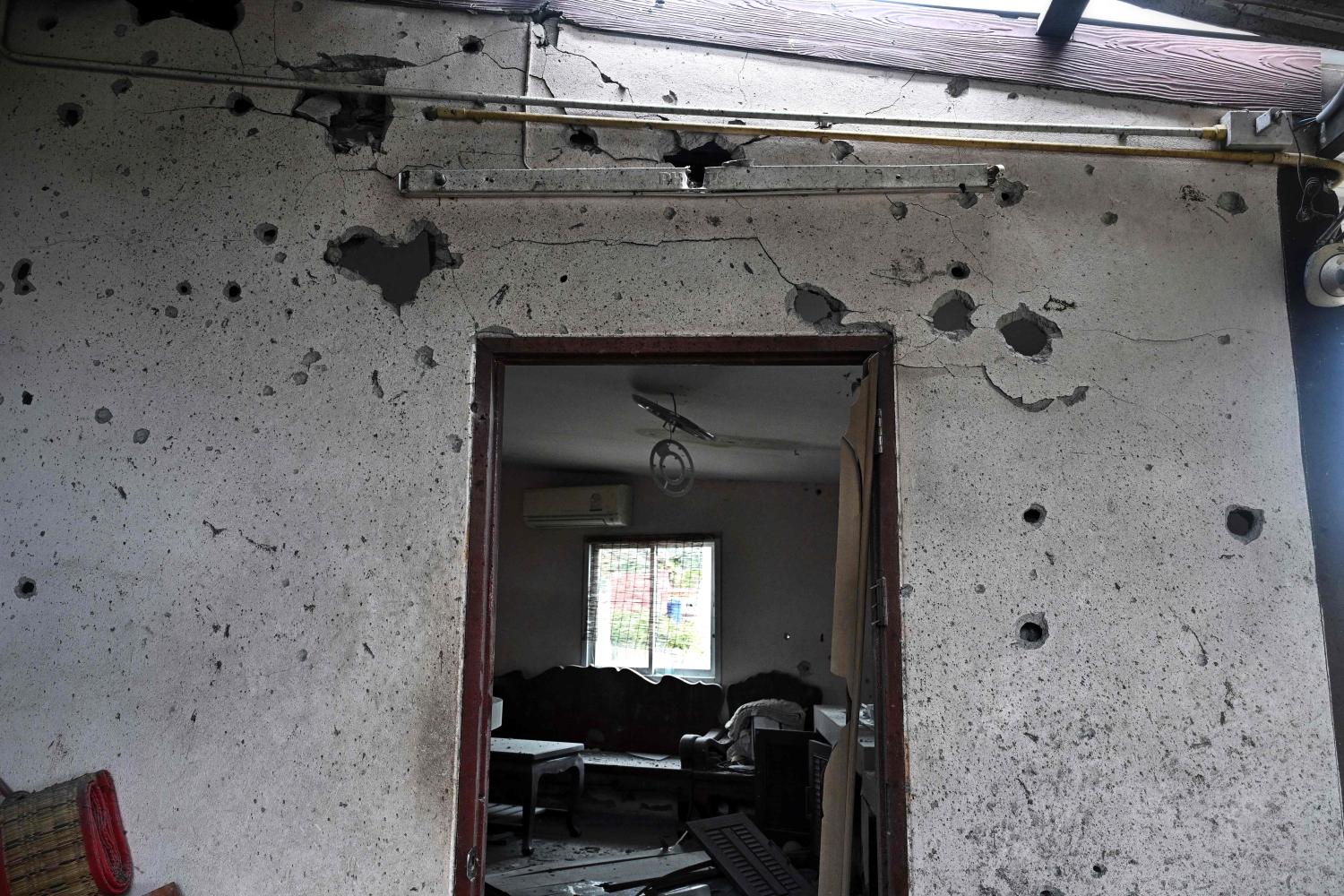
Domestic drivers of bilateral conflict
News, Thitinan Pongsudhirak, Published on 19/12/2025
» The latest flare-up and intensification of the armed conflict between Thailand and Cambodia should be understood less as a new crisis and more as a resumption of a bilateral clash that erupted in late July.
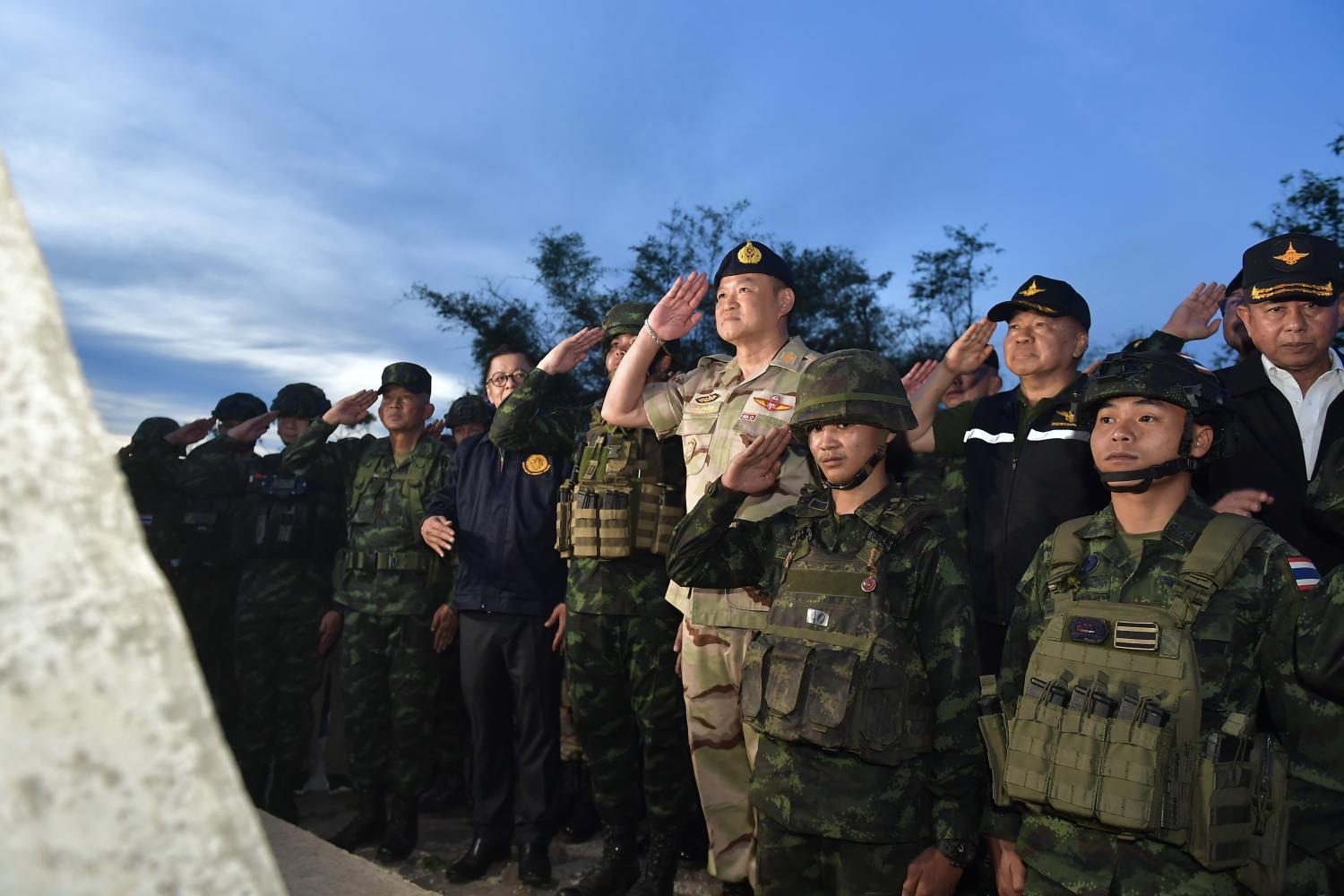
No-confidence and poll date in flux
Oped, Thitinan Pongsudhirak, Published on 14/11/2025
» Amid the drumbeats of military conflict with Cambodia, Thailand's political environment is evidently unruly and unsettled. The minority government of Anutin Charnvirakul, the third prime minister from the third largest-winning party since the latest national election in May 2023, is hard-pressed to stay in office beyond the four-month "Memorandum of Agreement" between his Bhumjaithai Party (BJT) and the People's Party (PP), the largest camp in the national assembly.
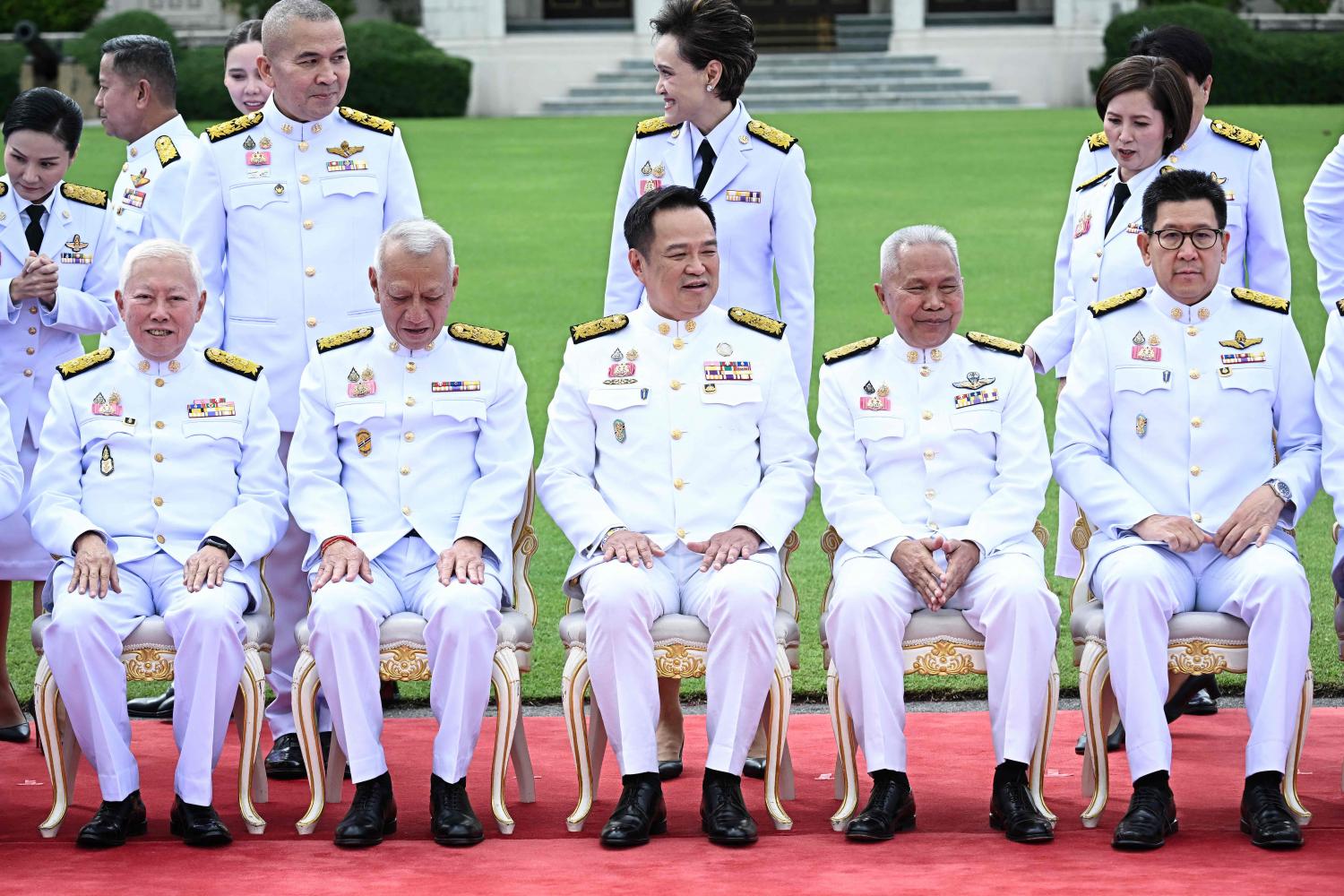
Anutin's new cabinet is a mixed bag
Oped, Thitinan Pongsudhirak, Published on 26/09/2025
» The composition and size of Prime Minister Anutin Charnvirakul's 36-member cabinet suggest that he intends to stay in office for as long as possible, clinging to the terms of the government-enabling Memorandum of Agreement (MOA) and calling an early election only if circumstances make it unavoidable.
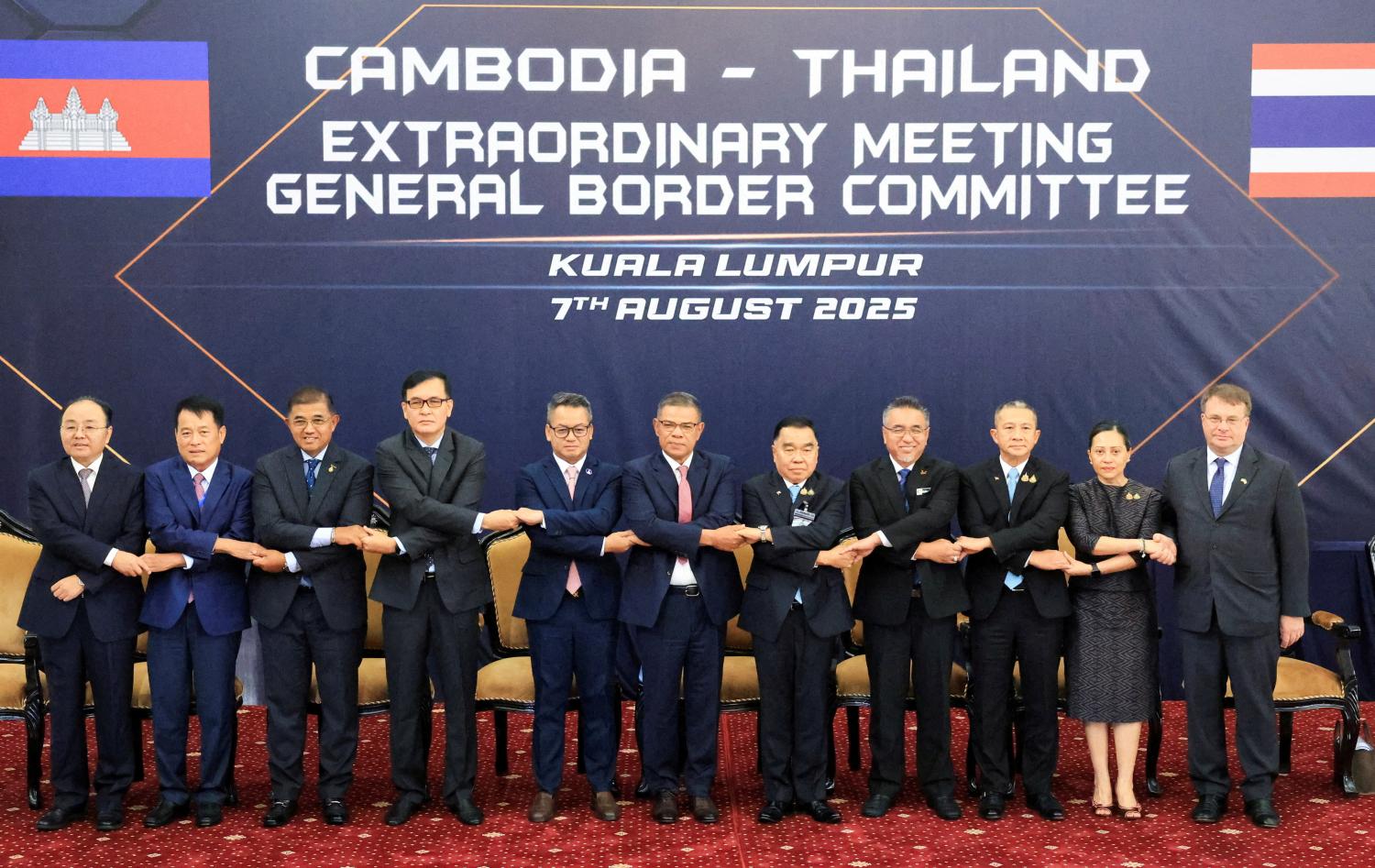
Thai-Cambodian feud is Asean's worst
Oped, Thitinan Pongsudhirak, Published on 15/08/2025
» The border dispute and consequent military conflict between Cambodia and Thailand in recent weeks have become Asean's worst crisis in its 58 years of existence. Ironically, it was an intra-regional war between Indonesia and Malaysia that gave rise to Asean in 1967, but now an intra-Asean military clash is undermining the Southeast Asian organisation's core reason for being and its main claim to credibility and prominence. Unless Asean, under Malaysia as its rotational chair this year, moves fast to contain the bilateral dispute and reinforce a delicate ceasefire agreement, Southeast Asia will be looked upon increasingly as a region and less as an organisation of member states.

Thai politics back at the brink (again)
Oped, Thitinan Pongsudhirak, Published on 04/07/2025
» The Constitutional Court's suspension of Paetongtarn Shinawatra from the premiership is déjà vu, exposing a pattern of systematic manipulation and concoction of political outcomes. After so many dissolutions of leading political parties and repeated bans of elected representatives over two decades, it is time to call a spade a spade. Thailand is a faux democracy. Its core foundations constitute an autocratic regime that does not really care about the country's future and the collective will of its people.

Uyghurs deportation a strategic risk
Oped, Thitinan Pongsudhirak, Published on 07/03/2025
» Regardless of official spin, the government's decision to deport 40 Uyghurs to China was a strategic mistake on multiple levels.

Myanmar's civil war after four years
Oped, Thitinan Pongsudhirak, Published on 31/01/2025
» Four years after its military coup and consequent civil war, Myanmar's spotlight in global headlines continues to dim as geostrategic reorientations and realignments among the major powers take centre stage. Dramatic and drastic foreign policy changes are afoot in the United States under the second administration of President Donald J Trump, while the European Union faces an existential threat from Russia's aggression in Ukraine, and Japan is mired in political sclerosis at home. Myanmar's fate and future will thus likely be determined by the course and outcome of its civil war, China's expanding influence in the country and Asean member states' manoeuvres to a lesser extent.

Trump II's intellectual foundations
Oped, Thitinan Pongsudhirak, Published on 22/11/2024
» It seems counterintuitive and contradictory to think of an intellectual foundation behind United States President-elect Donald J Trump when he is professedly unintellectual, even anti-intellectual. But make no mistake. Mr Trump is merely a phenomenon. Understanding it reveals his worldview and consequent policy prospects. But doing so requires seeing the Trump phenomenon as it is rather than why and how it is detested by countless millions of us. Indeed, the biggest difficulty when analysing Mr Trump and his second administration is the global disdain he elicits.

A backdrop to Trump's stunning win
Oped, Thitinan Pongsudhirak, Published on 08/11/2024
» Analysts often face the tough task of assessing an outcome the way it is rather than how they would like it to be. Nowhere is this challenge more daunting than analysing the stunning election results in the United States this week. Against the odds, former President Donald J Trump of the Republican Party has resoundingly won a second term over Vice President Kamala D Harris of the Democratic Party both in the popular vote and the Electoral College. The Republican Party also captured the Senate and the House of Representatives. While the implications for Thailand and the rest of Southeast Asia are wide-ranging and far-reaching, it is first and foremost necessary to understand the nature of the Trump victory.