



Showing 1 - 10 of 15
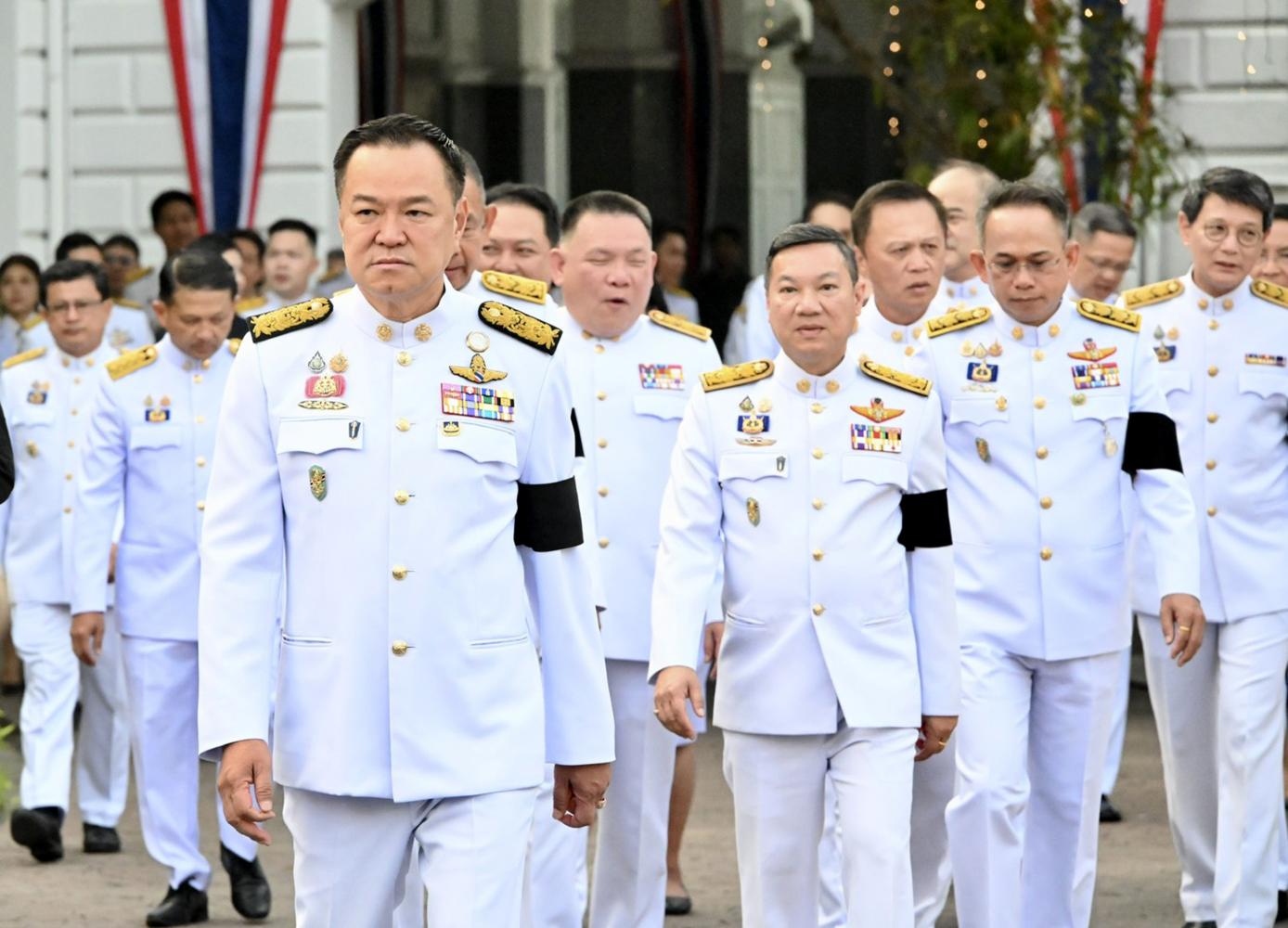
Government stability tests performance
Oped, Thitinan Pongsudhirak, Published on 03/04/2026
» Prime Minister Anutin Charnvirakul has gone from strength to strength, leveraging a stopgap minority government late last year into solid majority rule after the Feb 8 election.
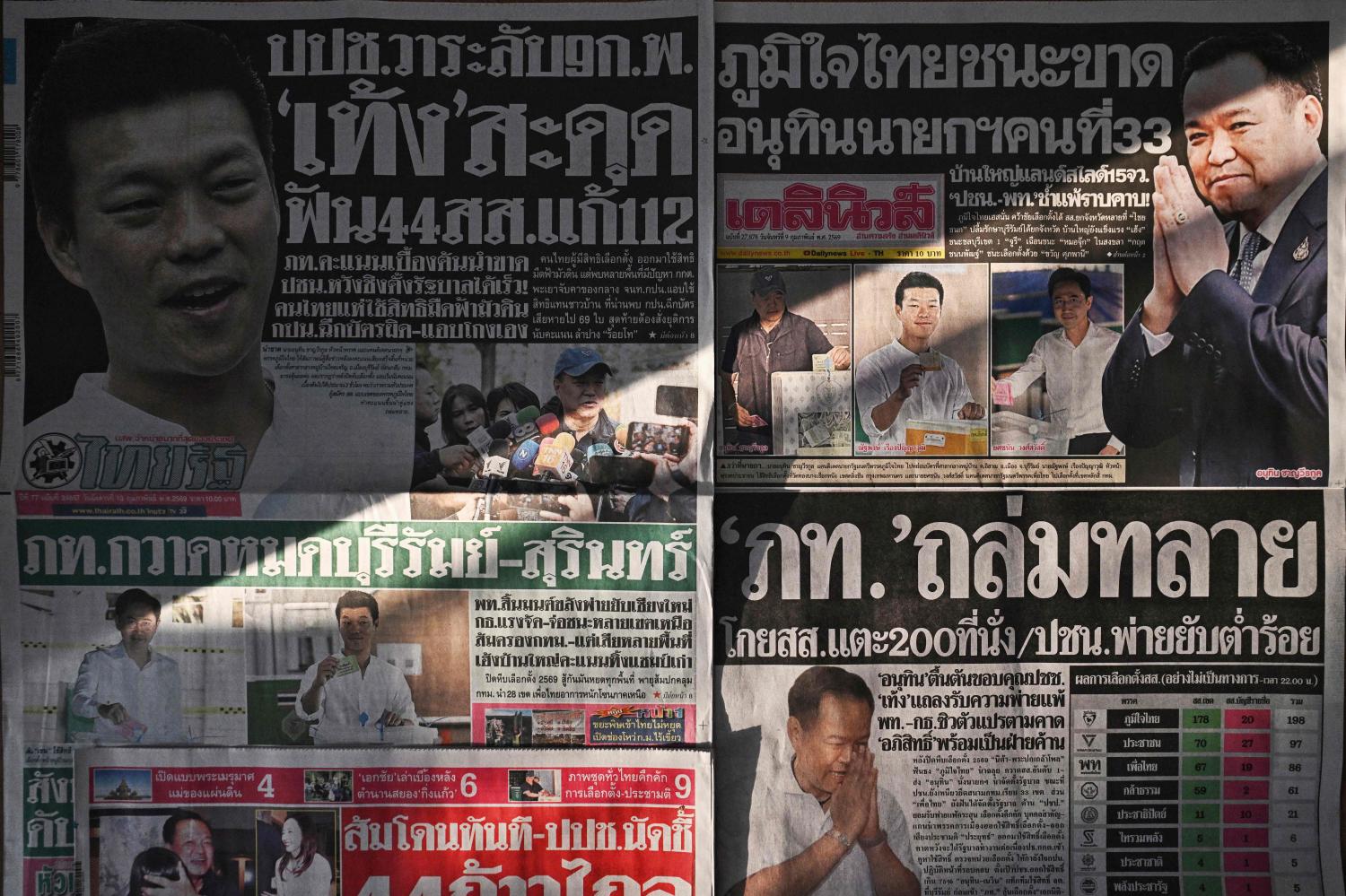
Implications of conservative triumph
Oped, Thitinan Pongsudhirak, Published on 13/02/2026
» The incumbent and conservative Bhumjaithai (BJT) Party has surprisingly swept Thailand's Feb 8 election with a commanding win. With the previously poll-leading and progressive People's Party (PP) coming in a distant second, Thailand appears headed for a conservative coalition government revolving around BJT and like-minded junior partners. Known for its conservative stance and being pro-status quo, it would not be surprising if the BJT-led coalition government, led by Prime Minister-elect Anutin Charnvirakul, were not challenged by the Constitutional Court, the Election Commission, and other supervisory agencies, which have derailed and dissolved reform-minded winning parties in the past.
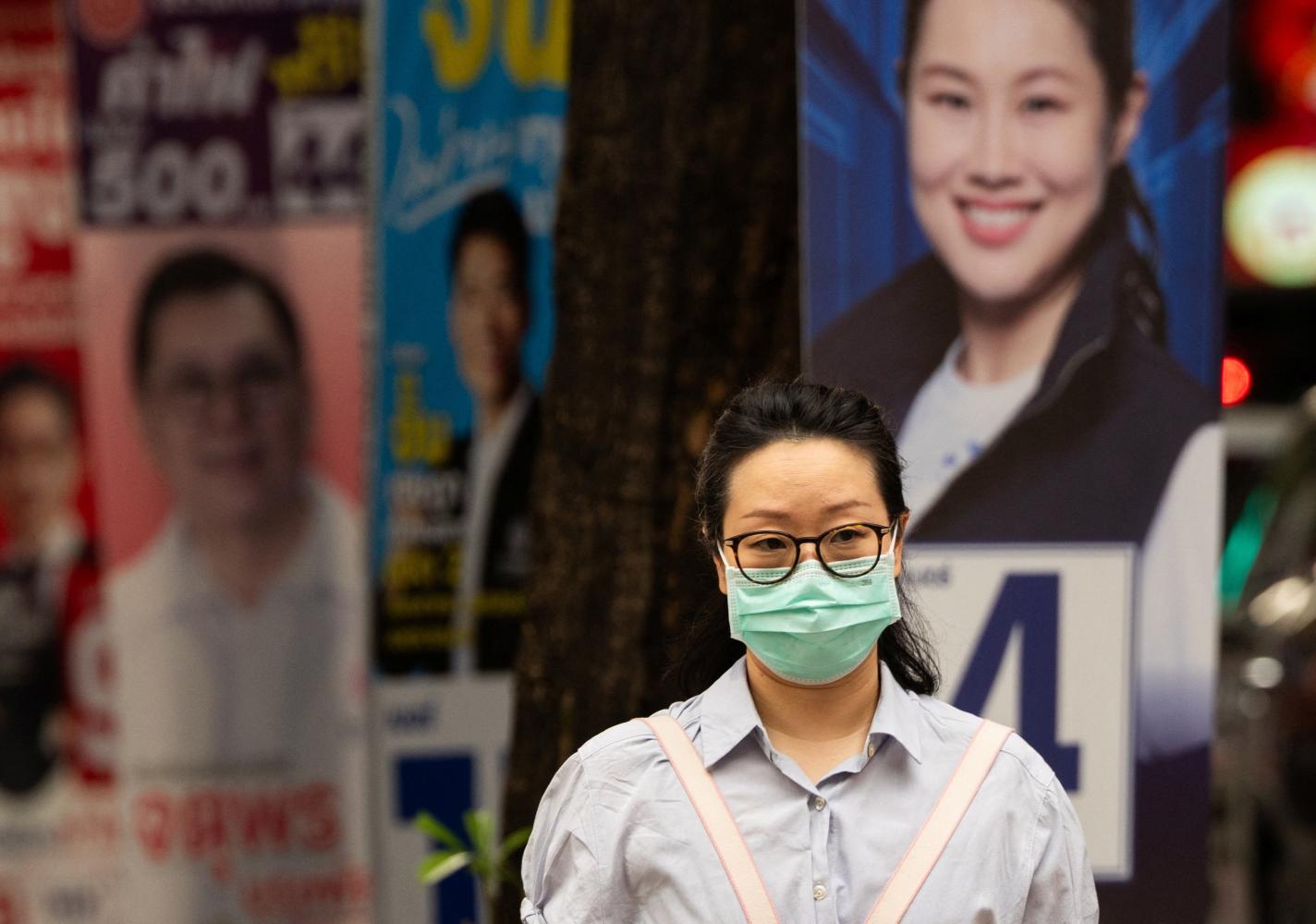
Will poll be breakout or more of same?
Oped, Thitinan Pongsudhirak, Published on 06/02/2026
» As Thais go to the polls this Sunday, the most consequential question is whether Thailand will finally break out of its debilitating cycle of political instability and economic underperformance that has marked the past two decades. The signs and signals suggest otherwise -- at least not yet.
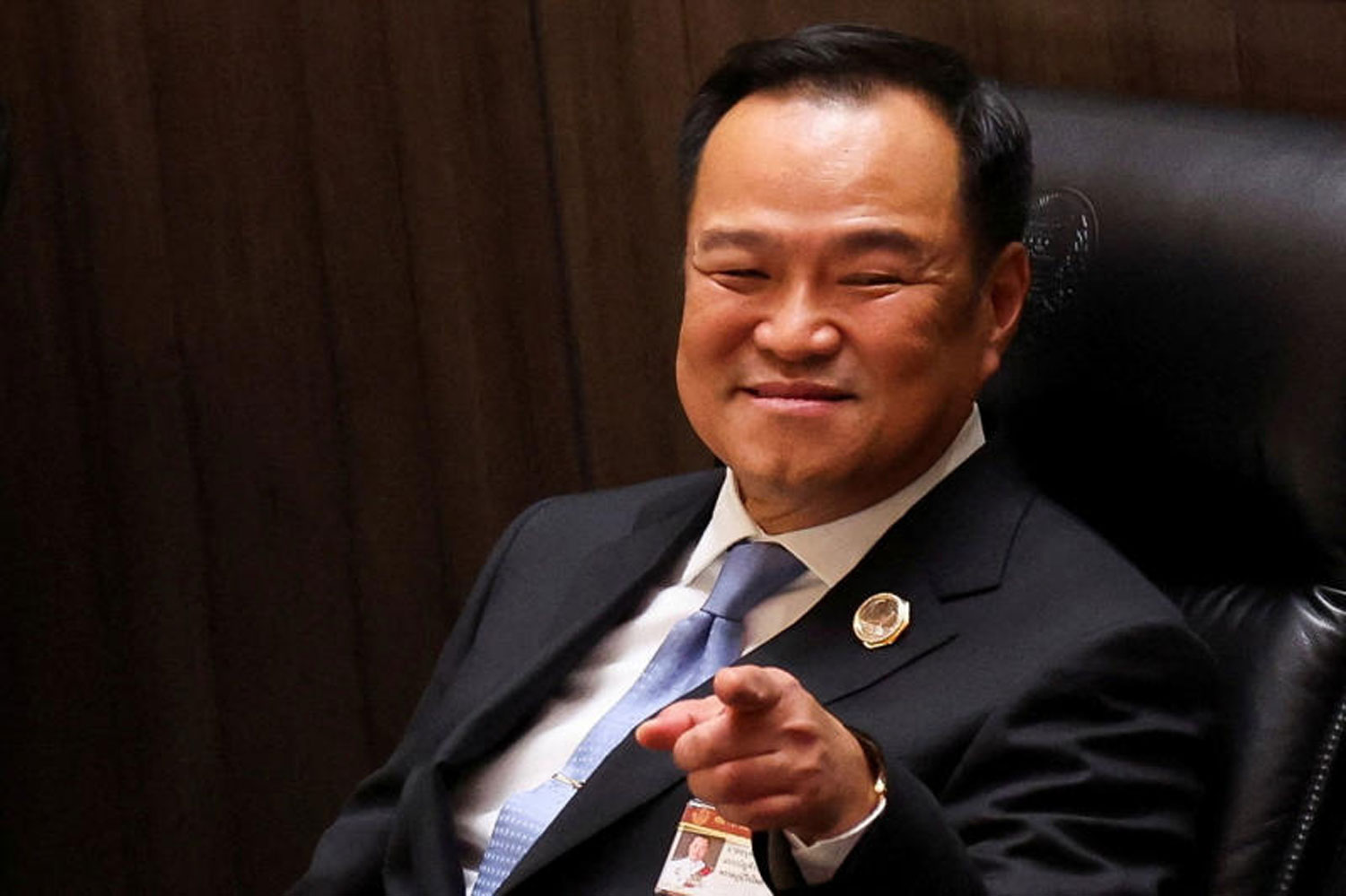
New govt may last longer than pledged
Oped, Thitinan Pongsudhirak, Published on 12/09/2025
» Thailand's latest round of political tumult reached a culmination when the Constitutional Court removed Paetongtarn Shinawatra of the hitherto ruling Pheu Thai (PT) Party from office on Aug 29, paving the way for Bhumjaithai Party (BJT) leader Anutin Charnvirakul to succeed her as prime minister with the Lower House's majority support a week later.

Srettha confronts myriad of challenges
News, Thitinan Pongsudhirak, Published on 22/09/2023
» As the coalition government of Prime Minister Srettha Thavisin gets going, it faces multiple daunting challenges, from public expectations and policy deliverables to the maintenance of political stability.

Post-poll lull has a lot to answer for
Oped, Thitinan Pongsudhirak, Published on 26/05/2023
» After a clear election victory, Thailand should already have a new government in office by now with Pita Limjaroenrat as prime minister, as his Move Forward Party (MFP) together with opposition ally Pheu Thai Party won a clear mandate of more than 58% of 500 lower house seats. Yet their coalition government in waiting among eight parties with 313 elected representatives is facing several critical roadblocks, including the military-appointed senate and the Election Commission (EC). Public pressure is now needed to be piled on these powerful but biased bodies that were appointed during the coup-dominated era in 2014–2019 to comply with the people's wishes, as expressed at the polls on May 14.

The fault line that polarises Thai politics
Oped, Thitinan Pongsudhirak, Published on 07/04/2023
» With all of Thailand's contesting political parties lined up behind populist policy platforms ahead of the general election on May 14, it is not readily obvious what sets them apart.

Populism triumphs as election looms
Oped, Thitinan Pongsudhirak, Published on 24/03/2023
» Although the campaign season for Thailand's much-anticipated election has only just begun, populism has already become the runaway winner. All of the contesting parties have come up with a plethora of populist pledges to woo voters. That populism has triumphed in Thai politics bears multiple longer-term implications.

Global, regional, local trends for 2023
Oped, Thitinan Pongsudhirak, Published on 23/12/2022
» Although economic predictions are usually reserved for the foolhardy, as the future is always difficult to ascertain, there are certain trend lines and probabilities that can be discerned at the global and regional level as well as the local level here in Thailand. As a year-end exercise, we can tease out a few contours with a reasonably high degree of probability.

Cambodia and Laos in the regional mix
Oped, Thitinan Pongsudhirak, Published on 30/09/2022
» As geopolitical tensions from Russian aggression in Ukraine and the ongoing United States-China rivalry intensify, Southeast Asia will be hard-pressed to maintain peace and security. Despite their relatively small size, Cambodia and Laos are two countries whose political trajectories will shape regional outcomes. While Cambodia has consolidated domestic political power with dynamic economic expansion, Laos is looking like a regional laggard facing a deep debt crisis. As Cambodia moves forward, Laos is at risk of being left behind.