



Showing 1 - 10 of 25
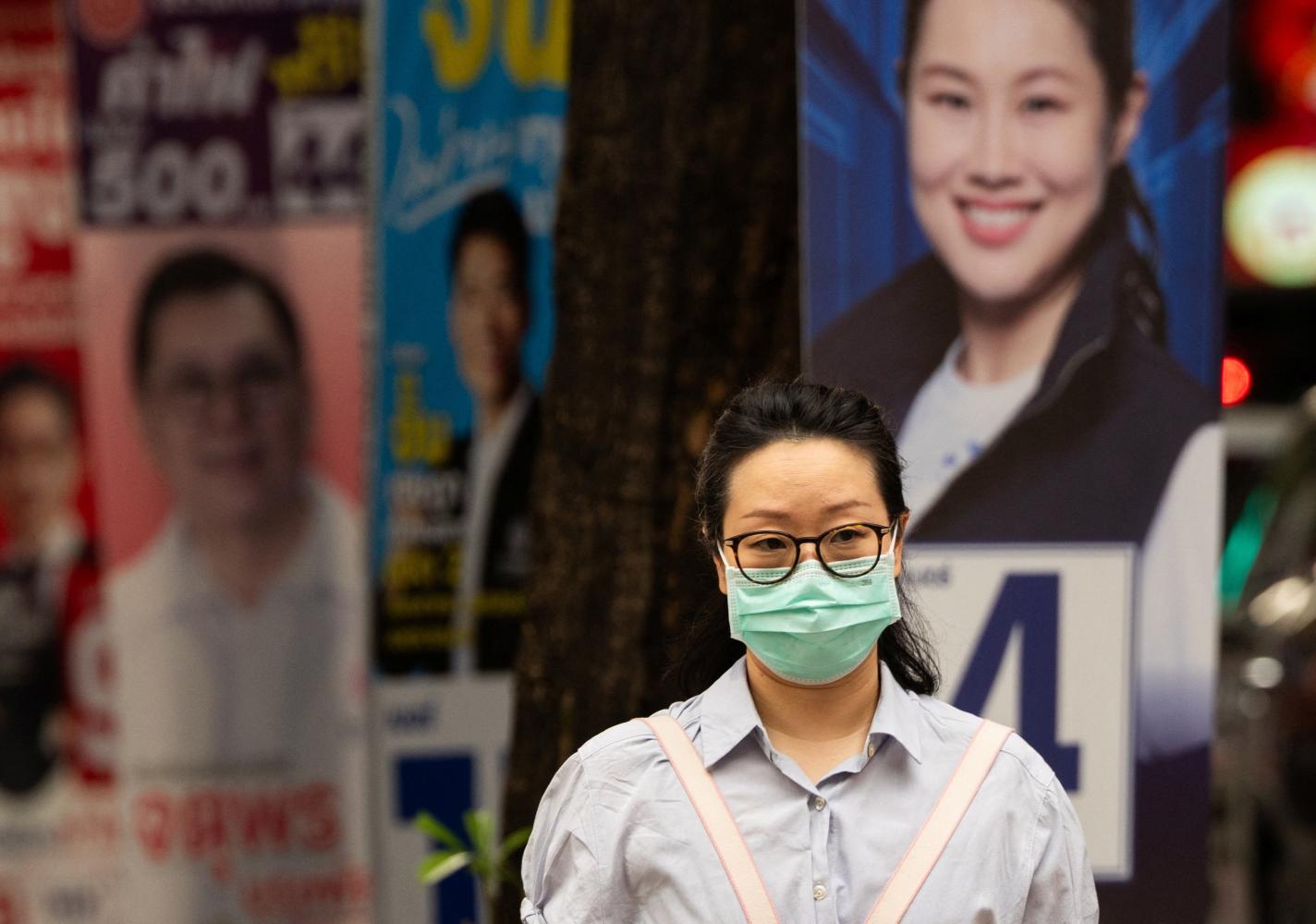
Will poll be breakout or more of same?
Oped, Thitinan Pongsudhirak, Published on 06/02/2026
» As Thais go to the polls this Sunday, the most consequential question is whether Thailand will finally break out of its debilitating cycle of political instability and economic underperformance that has marked the past two decades. The signs and signals suggest otherwise -- at least not yet.
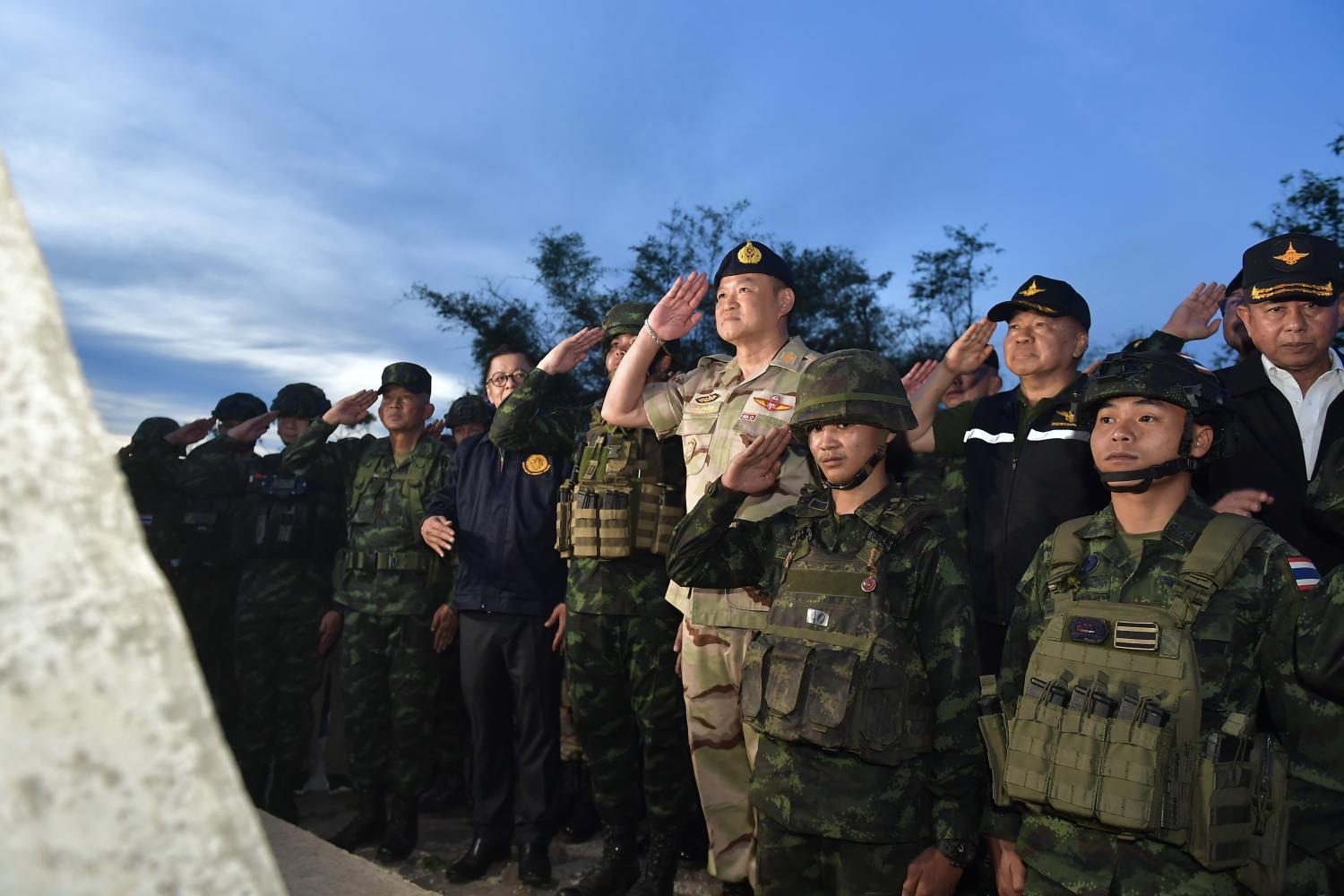
No-confidence and poll date in flux
Oped, Thitinan Pongsudhirak, Published on 14/11/2025
» Amid the drumbeats of military conflict with Cambodia, Thailand's political environment is evidently unruly and unsettled. The minority government of Anutin Charnvirakul, the third prime minister from the third largest-winning party since the latest national election in May 2023, is hard-pressed to stay in office beyond the four-month "Memorandum of Agreement" between his Bhumjaithai Party (BJT) and the People's Party (PP), the largest camp in the national assembly.
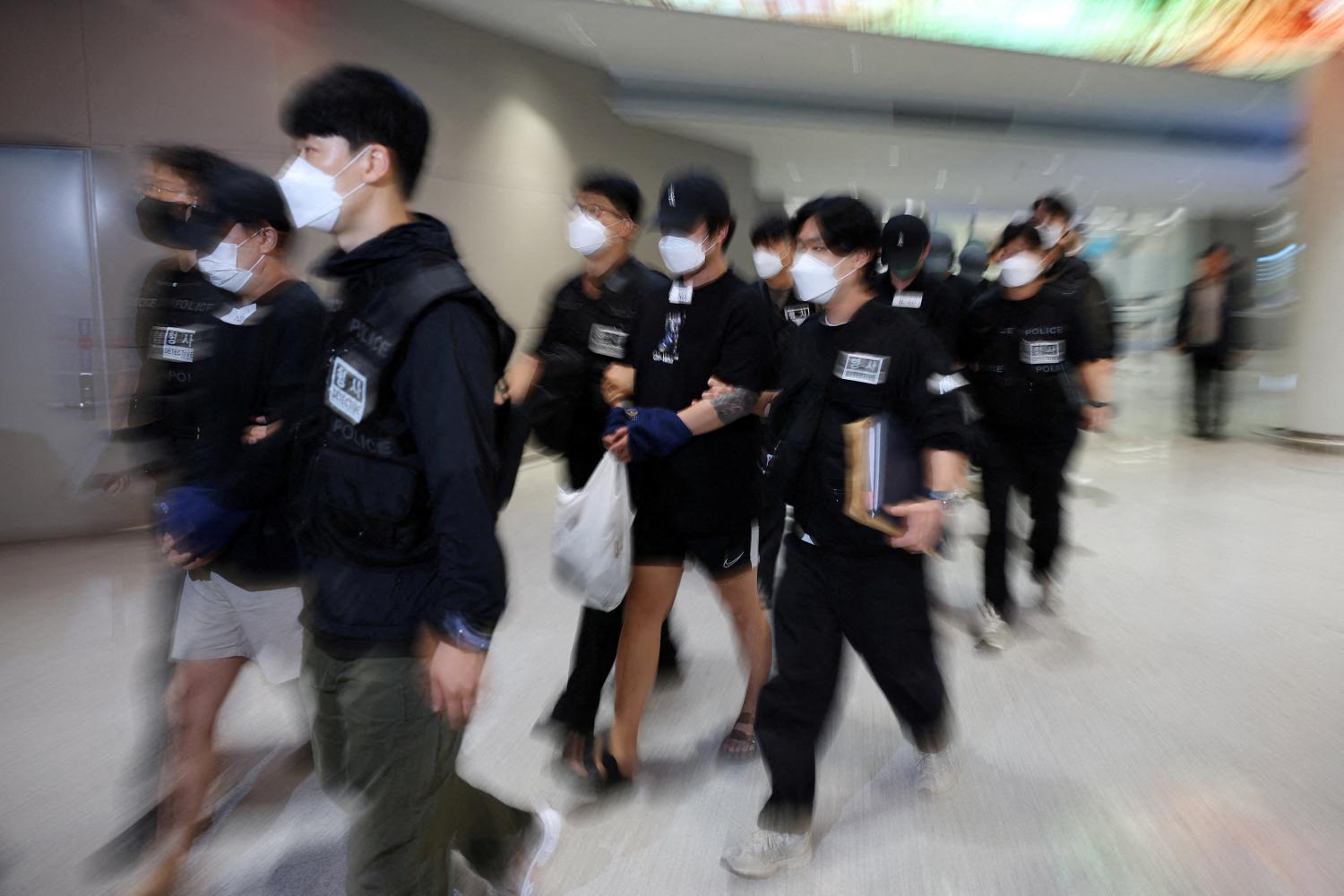
'Scam-gate' deserves full accounting
Oped, Thitinan Pongsudhirak, Published on 24/10/2025
» The explosive revelations and allegations of regional cybercrimes and scam networks have hit Thailand head-on and placed the government of Prime Minister Anutin Charnvirakul in an awkward and defensive position. As more facts surrounding what looks like a labyrinthine cross-border multibillion-dollar transnational criminal ring come to light, more questions have surfaced with no clear answers. The Anutin government needs to come clean and avoid a "scam-gate" of cover-ups and lies at the expense of countless scammed victims across many countries.
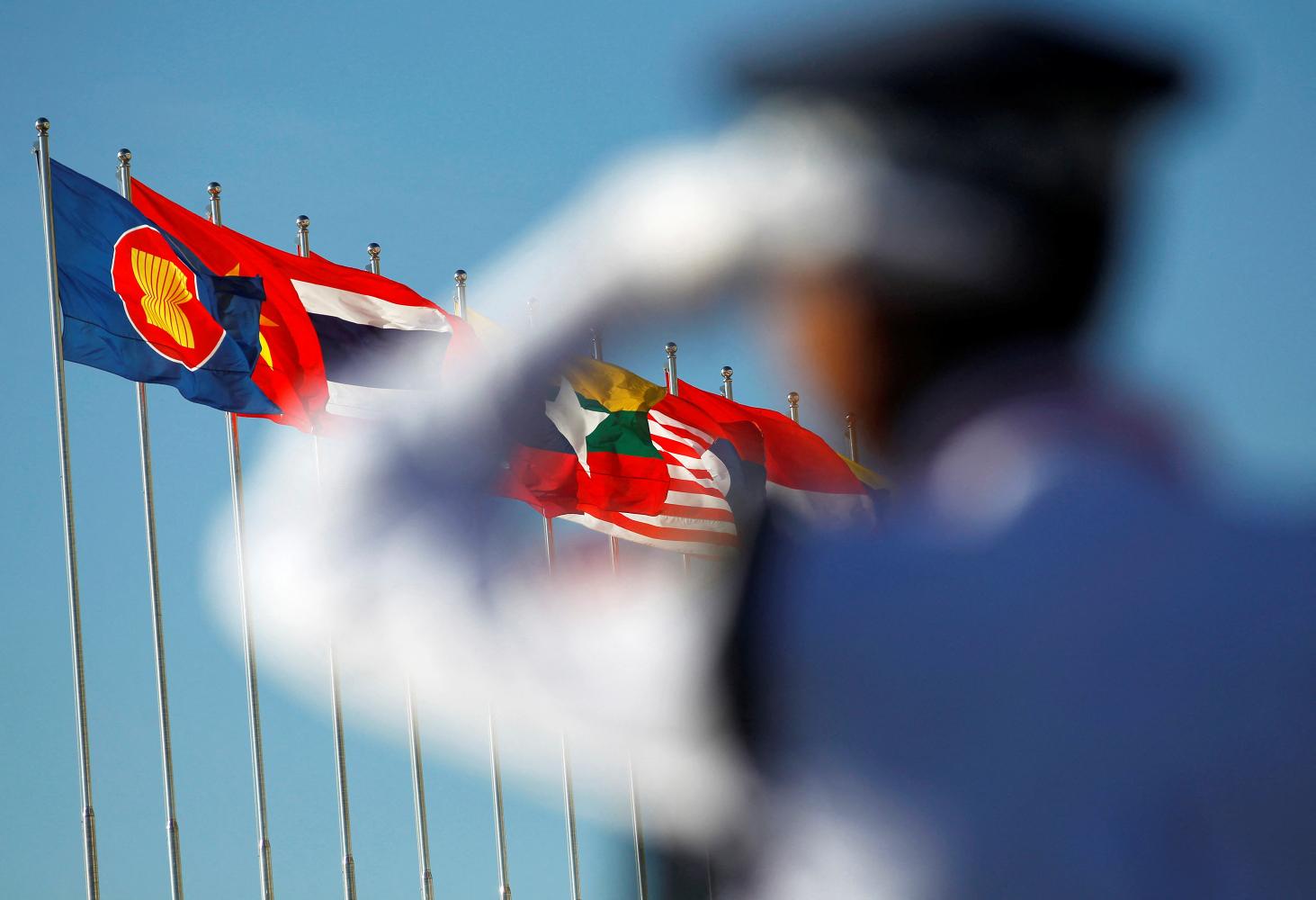
Flawed Asean needs to regain footing
Oped, Thitinan Pongsudhirak, Published on 10/10/2025
» Nearly six decades after its founding, the Association of Southeast Asian Nations (Asean) finds itself back where it began -- divided, uncertain, and vulnerable to the influence of major powers. Once hailed as a model for regional cooperation in the developing world, Asean now faces a crisis of purpose. Unless it can rediscover the unity and collective way forward that defined its early decades, Southeast Asia's flagship institution risks slipping into irrelevance.
Thailand's costly political shenanigans
Oped, Thitinan Pongsudhirak, Published on 22/08/2025
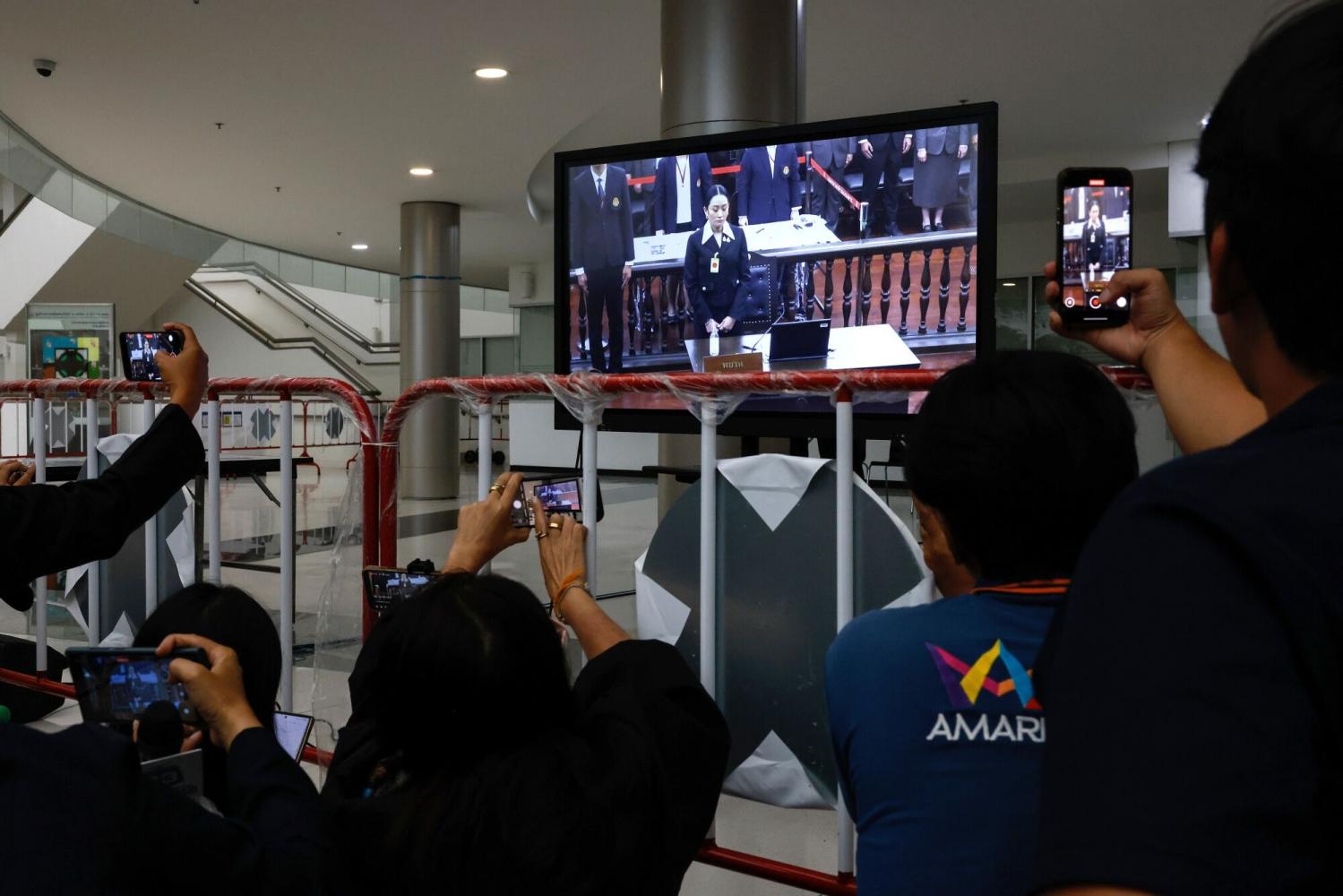
» In a country of 70 million where a handful of men can remove an elected government time and again, there can be no stability and progress, only tension and regression. This is how Thailand can be characterised over the past two decades. It is now going through yet another cycle of heightened political instability with the potential collapse of the government under suspended Prime Minister Paetongtarn Shinawatra in the footsteps of previous leaders who were similarly ousted by the Constitutional Court.

Two wasted decades in Thai politics
Oped, Thitinan Pongsudhirak, Published on 20/12/2024
» Now that Thaksin Shinawatra appears actively back in Thai politics, it is demoralising to look back at Thailand's wasted time and opportunities. Once a promising country on the way from democratic transition to consolidation in the late 1990s, Thailand has become semi-autocratic, and its rocky political trajectory over the past two decades is now structural. The traditional institutions of power that grew out of the Cold War have been calling the shots in earlier decades and are just unwilling to let the country move forward in the immediate years ahead.

Thai foreign policy needs new rudder
Oped, Thitinan Pongsudhirak, Published on 27/09/2024
» Thailand's foreign policy posture and projection under Foreign Minister Maris Sangiampongsa and the new government of Prime Minister Paetongtarn Shinawatra is off to a good start under severe structural constraints. Given the widespread consensus both at home and abroad that Thailand has fallen behind its peers over the past two decades, the imperative of regaining its international standing is undisputed. But doing so under what the foreign minister has outlined as a "neutral stance" under "non-alignment" among the great powers is moot and misguided. What Thai foreign policy needs is multi-alignments and omni-directionality under a new rudder.

Thai politics has turned upside down
Oped, Thitinan Pongsudhirak, Published on 23/08/2024
» The rise of Prime Minister Paetongtarn Shinawatra and the return -- and re-entry, of her father, Thaksin Shinawatra, have turned Thai politics upside down. On the surface, Mr Thaksin still dominates Thai politics nearly 20 years after he was deposed by a military coup and exiled for most of that period. This time, his political power and influence are being exercised through his daughter Ms Paetongtarn. As the Shinawatra clan has been coopted by its former establishment adversaries, the past two decades of periodic elections, street protests, two military coups, two constitutions, and multiple judicial bans on political parties and elected politicians have entered a new chapter.

The Thaksin factor in Thai politics
Oped, Thitinan Pongsudhirak, Published on 15/03/2024
» Thai politics in the near term will likely be dominated by the fate of the two largest vote winners from the general election in May 2023, the Move Forward (MFP) and Pheu Thai parties. While the MFP is at risk of another dissolution, the same as its predecessor Future Forward Party suffered in 2020, Pheu Thai's political future appears to hinge on Thaksin Shinawatra and his return from exile in what is believed to be a deal that follows the assumption of the premiership under Srettha Thavisin, and for Thaksin, a royal pardon and early release on parole.

Myanmar as interim 'non-state' state
Oped, Thitinan Pongsudhirak, Published on 01/03/2024
» Myanmar, also known as Burma, has become a de facto state that is dominated by non-state entities. Contrary to facile claims, Myanmar is not a failed state like some that beset parts of Africa and the Middle East. The ethnically diverse country of 55 million still functions despite widespread violence in an ongoing civil war. Unless and until Myanmar is understood and re-conceptualised as an interim state comprising non-state entities, it will be difficult to move forward to remake and reconstitute a new country after the civil war and the passing of the military junta that seized power on Feb 1, 2021, led by Senior General Min Aung Hlaing.