



Showing 1 - 5 of 5

Thailand needs middle power ambition
Oped, Thitinan Pongsudhirak, Published on 18/10/2024
» Having participated in the recent Asean-related summit meetings in Vientiane, Prime Minister Paetongtarn Shinawatra and her team must now work out Thailand's foreign policy priorities and posture. Foreign policy projection peaked around 20 years ago when Thailand was recognised as an emerging regional leader with the potential of a middle power. Since then, foreign policy has been patchy and hostage to polarisation and domestic political volatility. It is time to chart a way forward for Thailand's international standing and role despite ongoing political conflict at home.
Asean chairmanship has many limitations
News, Thitinan Pongsudhirak, Published on 16/11/2018
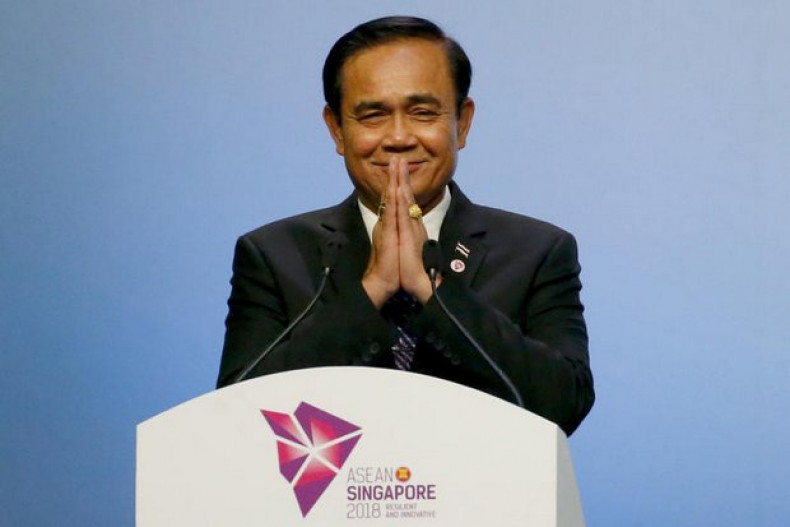
» Just as all politics is ultimately local, all regionalism is mostly domestic. Such is the case with Asean. Whichever of the 10 member states chairs Asean, its role and performance tends to be domestically rooted. To envision and drive Asean forward requires deft leadership, bold ideas and smart diplomacy that must extend beyond and transcend parochial domestic concerns. No Asean member has shown this sort of farsighted regionalist ambition in recent years. Thailand appears on course to be no different when it chairs Asia's most durable organisation next year.
Maintaining what's left of rules-based order
News, Thitinan Pongsudhirak, Published on 20/07/2018
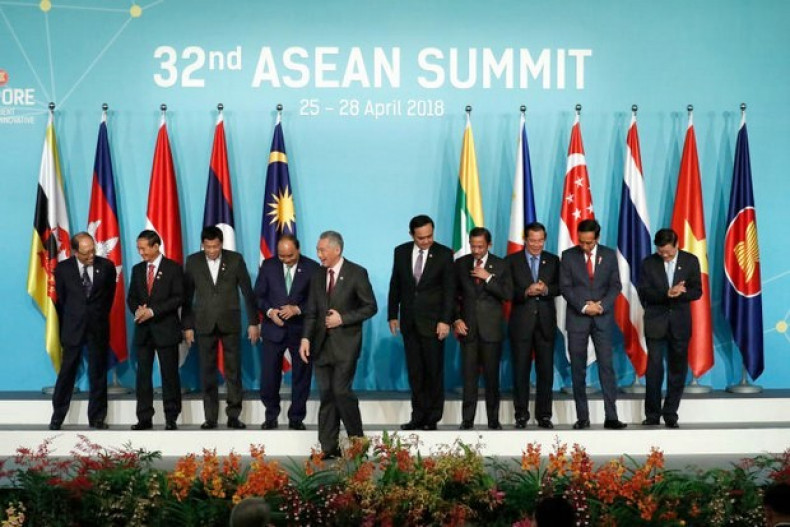
» For anyone who is alive today, the world as we know it has never been so stirred and shaken. The international order based on a common set of institutions, rules and norms that used to be widely cherished and universally beneficial is unravelling before our collective and helpless eyes. From an emerging United States-China trade war and Beijing's militarised occupation of the South China Sea to Russia's revanchist annexation of Crimea, world order over the past several years has been breaking down. Those who once set the rules, principally the US, are breaking them, while aspiring new rule-setters, mainly China, have not found sufficient international reception. Rule-takers, such as the smaller states in Asean, suffer the most when set rules lose cohesion, lustre and abidance.
Lasting lessons from Malaysia for SE Asia
News, Thitinan Pongsudhirak, Published on 25/05/2018
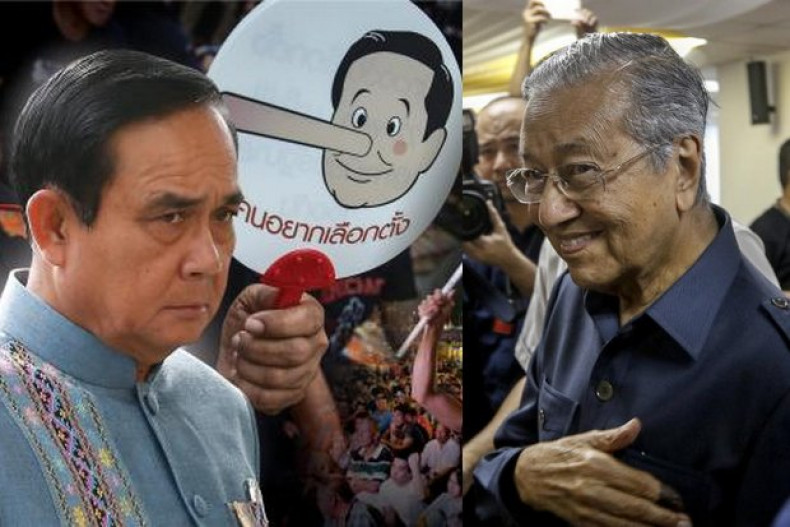
» Some have likened it to an "earthquake," while others have called it a "tsunami." However it is billed, Malaysia's election outcome still reverberates far and wide. Its political aftershocks yield lessons and considerations for politics in Southeast Asia, particularly Thailand, which holds the dubious distinction as the only parliamentary system in this region that does not know when it will next stage a poll.
Malaysia's poll ramifications for Thailand
News, Thitinan Pongsudhirak, Published on 11/05/2018
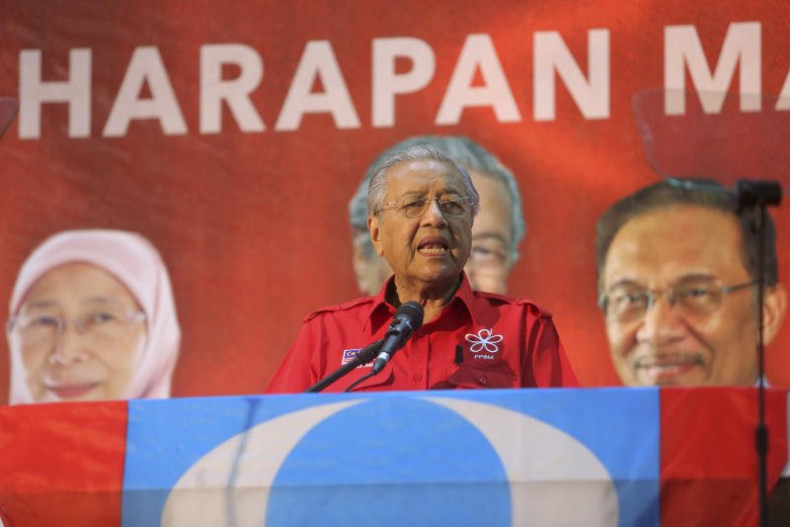
» It was a vicarious happenstance. When the annual flagship event of Asean's consortium of think-tanks known as the Asia-Pacific Roundtable was scheduled in Kuala Lumpur for May 7-9, not a weekend but the first half of a working week, no one thought it would run into Malaysia's 14th General Election (GE14). But it did, as Prime Minister Najib Razak chose a Wednesday instead of a typical weekend, to stage Malaysia's momentous polls. But the tricky timing failed to help his cause. He lost in a big way that bears far-reaching ramifications for the fate of democracy and authoritarianism in the region and beyond, not least here in Thailand.