



Showing 1 - 10 of 11

Trump goes off-script, US gone rogue
Oped, Thitinan Pongsudhirak, Published on 27/03/2026
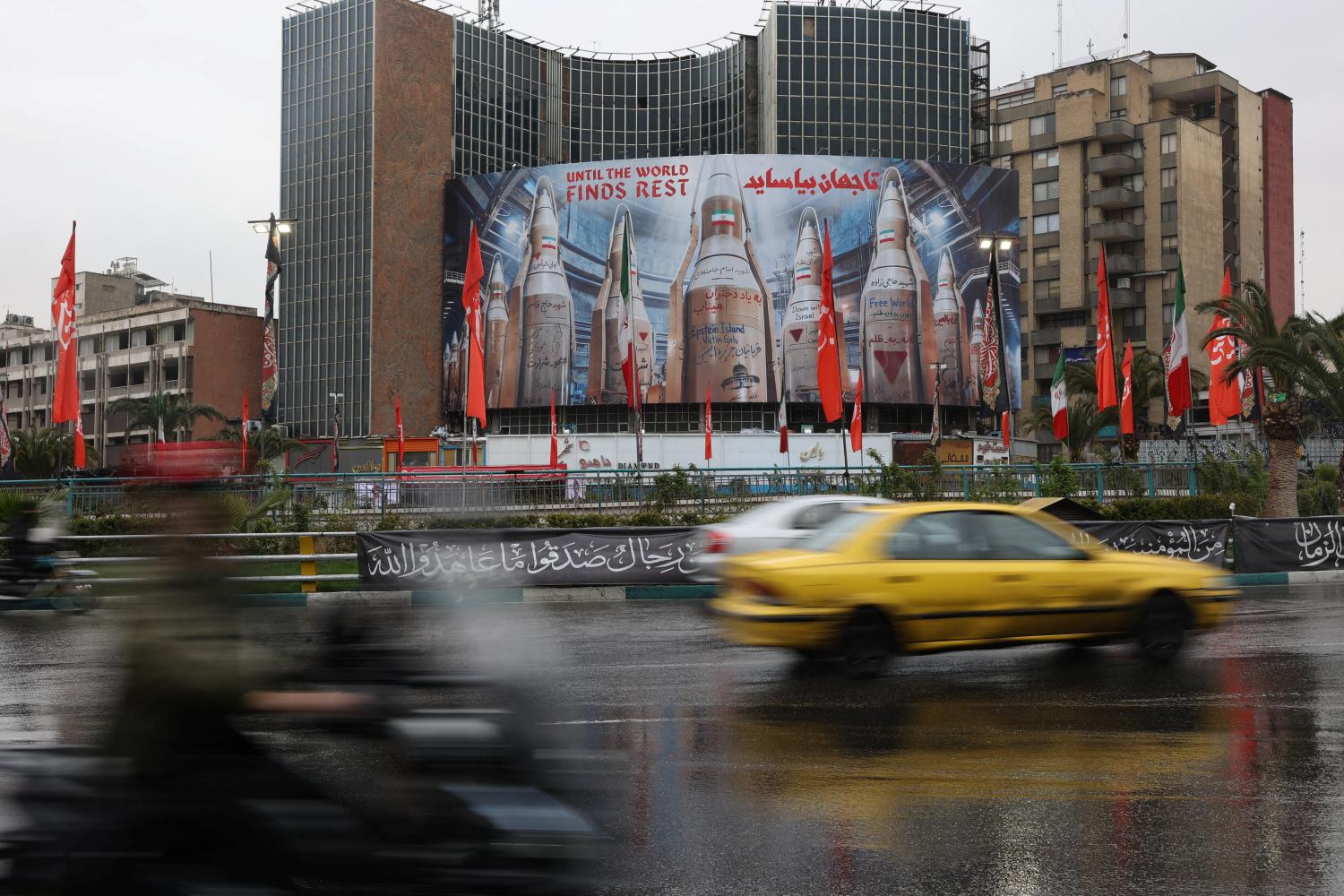
» It was not supposed to work like this. "America First" and "Make America Great Again" (MAGA) were supposed to be about an inward turn to repair, replenish and rebuild an externally overstretched and internally weakened country, weighed down by unnecessary global entanglements, unsustainable national debt, and unimpeded mass migration. It seemed for a time that the MAGA movement to prioritise America above and beyond the international system and its constituent parts had found its final prophet in President Donald J Trump. But now, somehow, President Trump has betrayed the movement that has carried him to office by waging a disastrous war on Iran in cooperation with Israel.
Impacts of Iran war on Southeast Asia
Oped, Thitinan Pongsudhirak, Published on 20/03/2026
» For the most part, Southeast Asia as a region has taken a neutral stance toward the joint attack between the United States and Israel against the Islamic Republic of Iran. Even the Philippines and Thailand, two formal US treaty allies, have distanced themselves, calling for restraint and de-escalation.
America risks grand folly in Iran war
Oped, Thitinan Pongsudhirak, Published on 06/03/2026
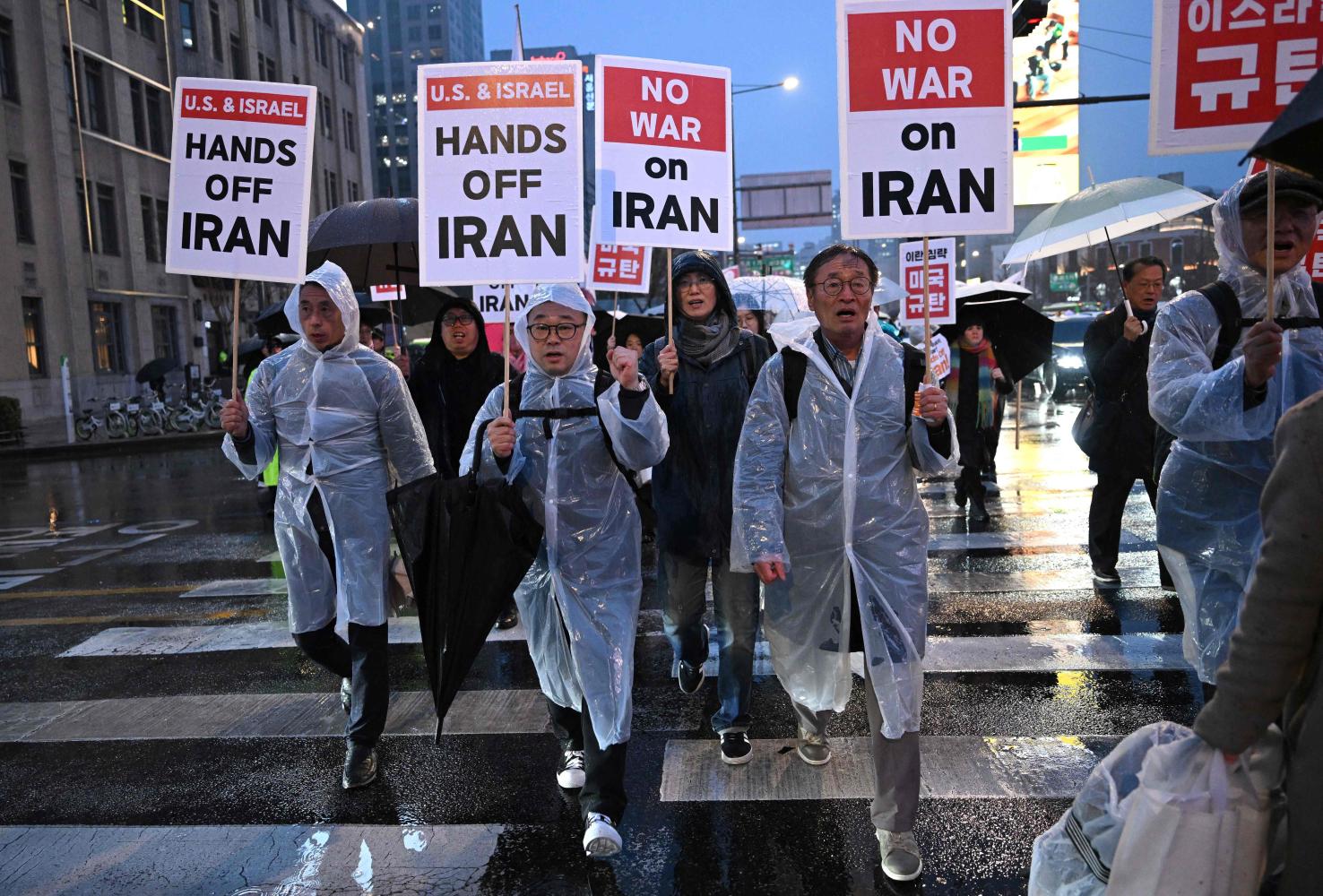
» It is just the first week of the joint attack between the United States and Israel on the Islamic Republic of Iran, but the repercussions from the Middle East for the Indo-Pacific are already discernible.
Southeast Asia amid the US-China rift
Oped, Thitinan Pongsudhirak, Published on 03/10/2025
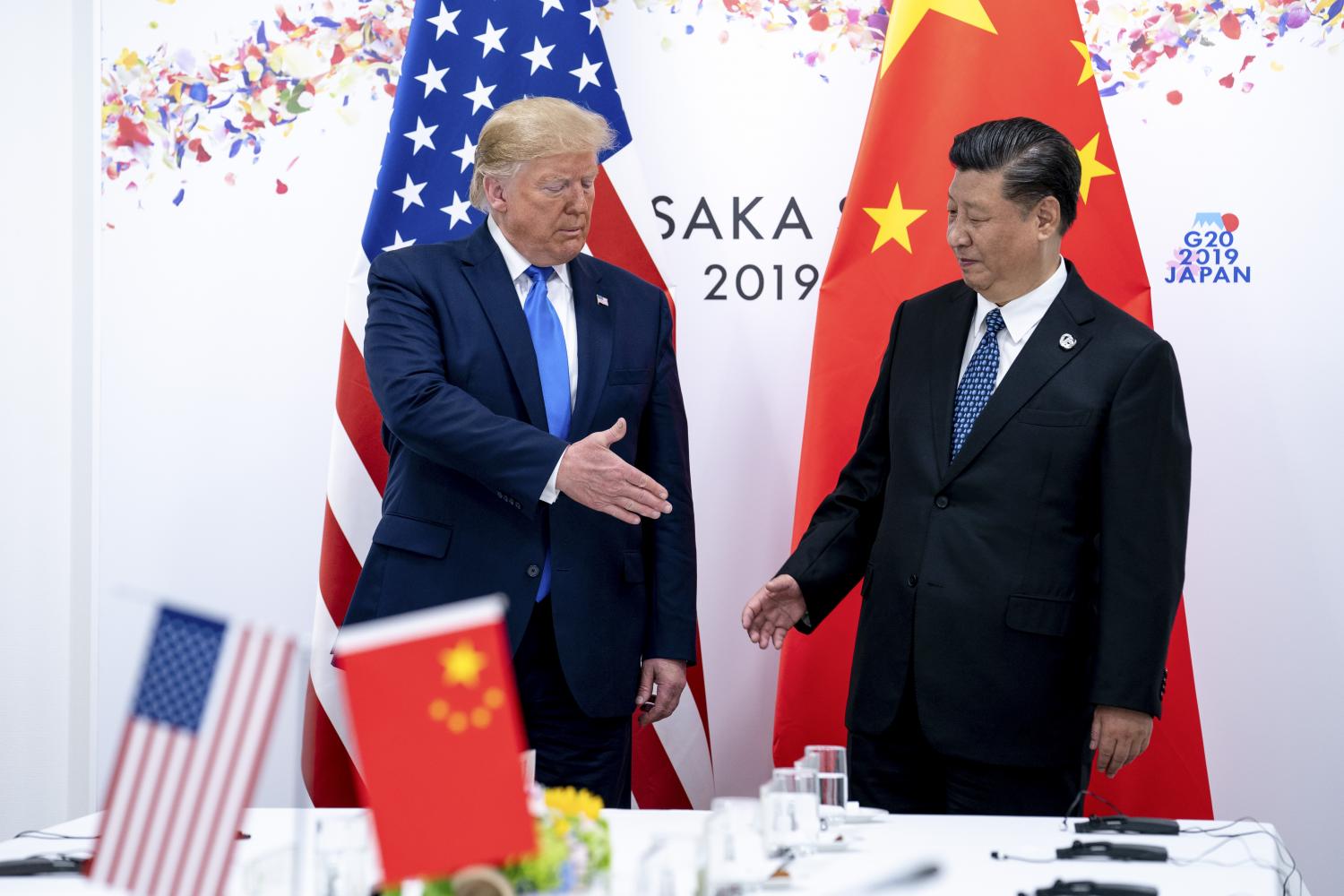
» The rivalry between the United States and China has become the defining contest of the 21st century. Barely two decades ago, Washington and Beijing were partners in prosperity. America's support for China's entry into the World Trade Organization in 2001 epitomised the high-water mark of engagement, reflecting the belief that economic integration would lead to greater political cooperation. Today, that partnership has morphed into suspicion and confrontation. Relations between the United States and China have deteriorated so swiftly that many observers now describe them as locked in a "new Cold War". The more pressing question, however, is not whether this analogy holds, but whether confrontation can be managed short of outright conflict.

Myanmar as interim 'non-state' state
Oped, Thitinan Pongsudhirak, Published on 01/03/2024
» Myanmar, also known as Burma, has become a de facto state that is dominated by non-state entities. Contrary to facile claims, Myanmar is not a failed state like some that beset parts of Africa and the Middle East. The ethnically diverse country of 55 million still functions despite widespread violence in an ongoing civil war. Unless and until Myanmar is understood and re-conceptualised as an interim state comprising non-state entities, it will be difficult to move forward to remake and reconstitute a new country after the civil war and the passing of the military junta that seized power on Feb 1, 2021, led by Senior General Min Aung Hlaing.

Myanmar revolts against dictatorship
Oped, Thitinan Pongsudhirak, Published on 02/02/2024
» When Myanmar's military coup took place three years ago, few thought it would turn out this way. Never has a military in Southeast Asia staged a successful coup and then failed to consolidate power afterwards. Yet this is precisely what's happening in Myanmar. A fierce and determined coalition of resistance forces is in the process of prevailing over Myanmar's battle-hardened army.

A Thai view on the Hamas-Israel war
Oped, Thitinan Pongsudhirak, Published on 20/10/2023
» The Palestinians' longstanding and legitimate grievances have been irrevocably subverted by Hamas' brazen attack against Israel on Oct 7. Unlike previous rounds of conflicts and clashes between Israel and the Palestinians on the one hand and neighbouring Arab states on the other, Thailand has become a direct casualty like never before, as 30 Thai workers have been killed to date, with at least 16 injured and 17 taken hostage. As a militant political movement motivated by Islamic fundamentalism using methods of terrorism to achieve its objectives, Hamas has made a bad name for the Palestinian cause, eliciting condemnation and opposition all the way over here in Thailand.
The geopolitics of China's CPTPP move
Oped, Thitinan Pongsudhirak, Published on 03/12/2021
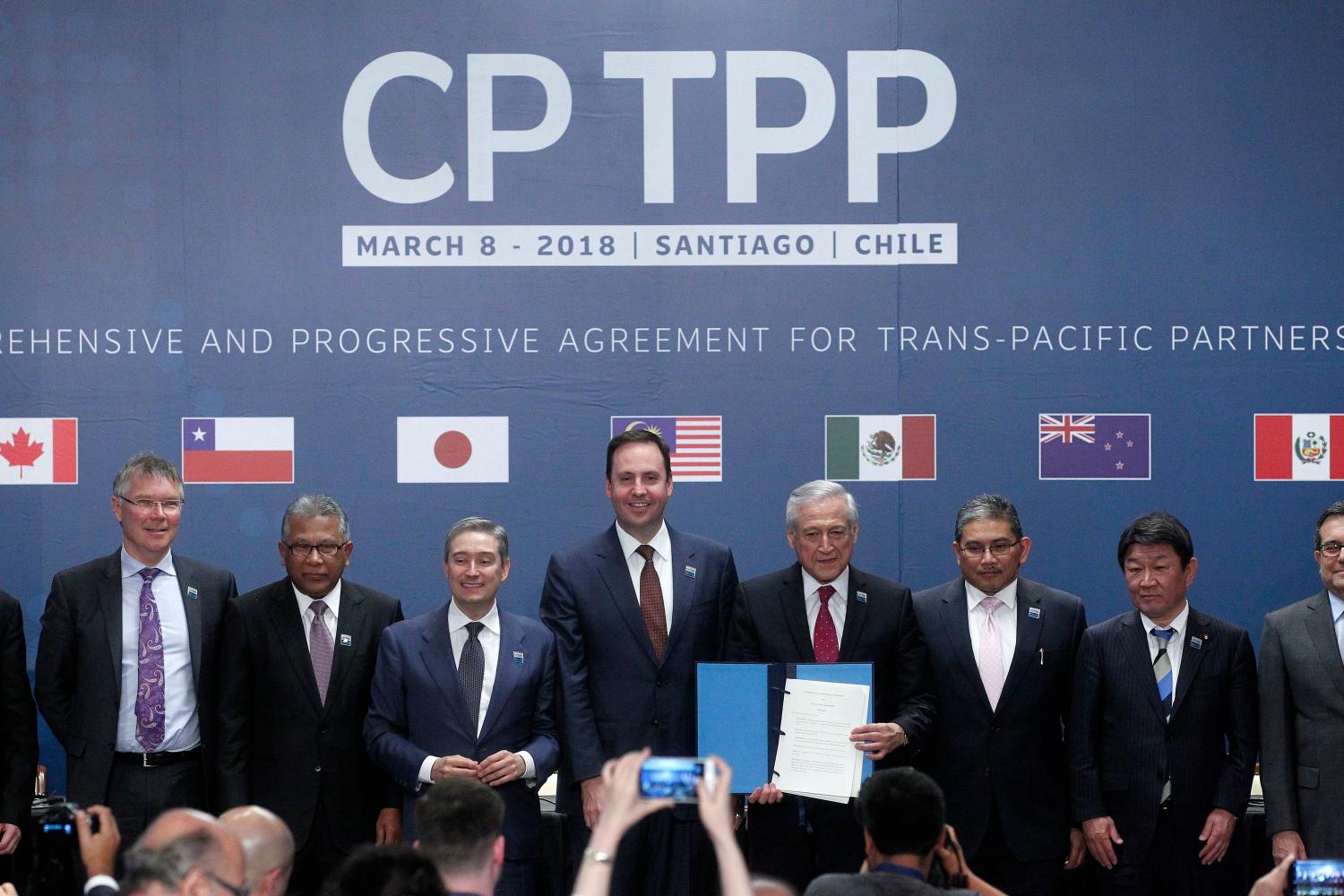
» Nowhere is the intersection between geopolitics and geoeconomics more evident than the accession negotiations under the 11-member Comprehensive and Progressive Agreement for Trans-Pacific Partnership (CPTPP). At issue are three new applications for accession by the United Kingdom, China, and Taiwan. While the UK's candidacy alters the geographic crux of what has been Asia-Pacific trade liberalisation, China's and Taiwan's entry efforts represent a proxy showdown between the United States-led global order and 75-year-old alliance system versus Beijing's geostrategic ambitions and objectives.

Biden's pivot to free, open Indo-Pacific
Oped, Thitinan Pongsudhirak, Published on 03/09/2021
» If former United States President Barack Obama is known for his "pivot to Asia" geostrategy and President Donald Trump for the Free and Open Indo-Pacific, there is now a geostrategic synthesis under President Joe Biden. It can be aptly called the US "pivot to the Free and Open Indo-Pacific".

Concentric Mideast wars and prospects
News, Thitinan Pongsudhirak, Published on 10/01/2020
» Nothing captures attention in an age of media saturation like the talk of war. The recent decision by US President Donald Trump to assassinate a top Iranian official, Quds Force Commander Major General Qassem Soleimani, has conjured up the spectre of a wider conflict encompassing not just the Middle East but the broader world, as Iran's top leaders deemed it "an act of war" and vowed "severe revenge". Although Iran's military and its proxy militias and client states in the Middle East and elsewhere are poised to exact retribution for their loss, we are unlikely to see a world war in the immediate aftermath of this killing.