



Showing 1 - 10 of 12
Government stability tests performance
Oped, Thitinan Pongsudhirak, Published on 03/04/2026
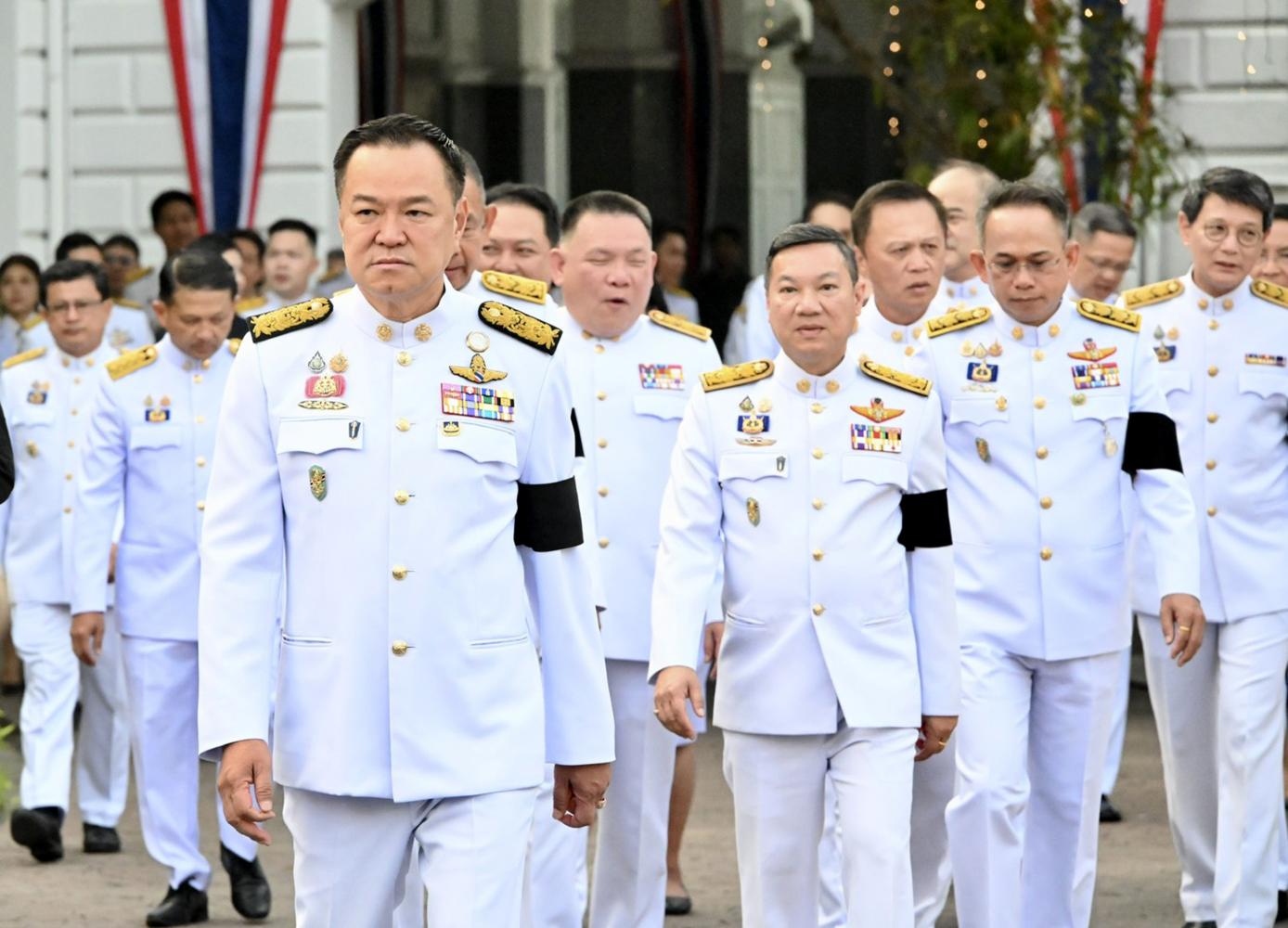
» Prime Minister Anutin Charnvirakul has gone from strength to strength, leveraging a stopgap minority government late last year into solid majority rule after the Feb 8 election.

Indonesia leads Asean into Brics+
Oped, Thitinan Pongsudhirak, Published on 17/01/2025
» As the new year gets underway with the looming re-inauguration of United States President Donald J Trump, countries and entire regions are having to manoeuvre and realign in view of an accelerated breakdown of the post-Second World War rules-based liberal international order.

Asean role stuck on Myanmar coup
Oped, Thitinan Pongsudhirak, Published on 25/08/2023
» President Joe Biden's decision to skip Asean-related summits in the Indonesian capital Jakarta on Sept 5-7 in favour of the G-20 leaders' meeting in India just two days later has been greeted with howls of disappointment and criticism around Southeast Asian capitals and elsewhere that are concerned about America's role in the region.

Global, regional, local trends for 2023
Oped, Thitinan Pongsudhirak, Published on 23/12/2022
» Although economic predictions are usually reserved for the foolhardy, as the future is always difficult to ascertain, there are certain trend lines and probabilities that can be discerned at the global and regional level as well as the local level here in Thailand. As a year-end exercise, we can tease out a few contours with a reasonably high degree of probability.

Domestic drivers of superpower rivalry
Oped, Thitinan Pongsudhirak, Published on 10/07/2020
» The coronavirus pandemic is fundamentally global but its impact is mainly local because of the international system of state sovereignty, borders and divergent national interests. What is needed to cope with, contain and overcome the pandemic is more international cooperation and coordination. But we are seeing less international efforts to fight the virus together and more self-help where every nation fends for itself. The upshot from this fractured and fragmented international system during Covid-19 is the primacy of domestic determinants of international outcomes. Nowhere is this reality clearer than the competition and confrontation between the United States and China.

Geopolitical outcomes beyond Covid-19
Oped, Thitinan Pongsudhirak, Published on 15/05/2020
» The coronavirus crisis is on course to significantly reshape and realign the pecking order among nations in geopolitics. Rather than a fundamental shift in patterns and contours, the likely geopolitical outcomes beyond Covid-19 appear to reinforce pre-existing trends and dynamics. As the two competing superpowers, neither the United States nor China will come out of the pandemic period with flying colours.
Thailand needs firmer Covid-19 action
Oped, Thitinan Pongsudhirak, Published on 20/03/2020
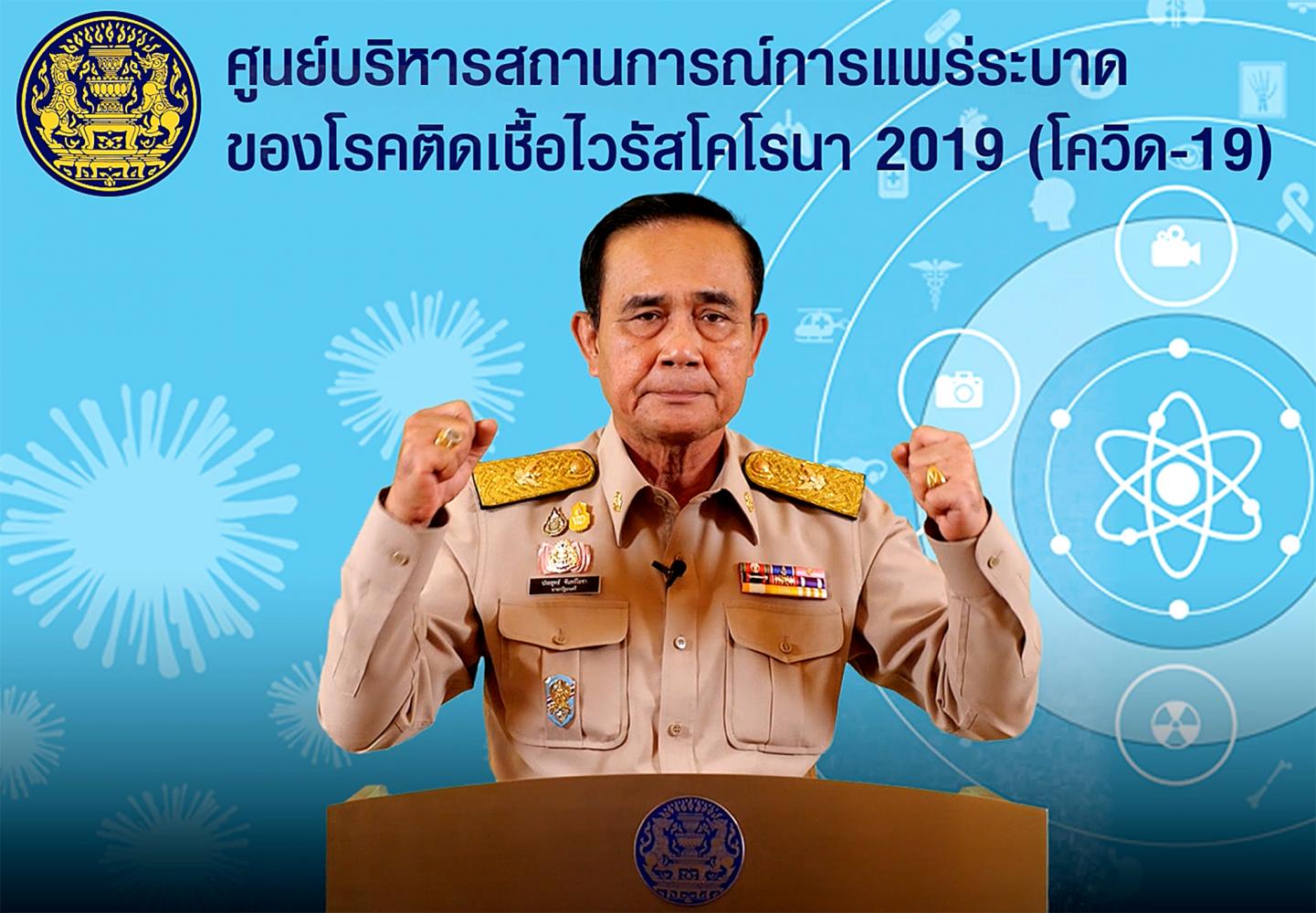
» While being on the right track, the government's latest response to the new coronavirus (Covid-19) by closing schools and entertainment venues, as well as putting off the Songkran break, is likely to prove too little, too late, once again. As other countries have shown, the sooner firm and hard measures are put in place, the better and likelier efforts to contain and remedy Covid-19 will be successful. An early global lesson from the fast-spreading virus is to be pre-emptive and pro-active, "front-loading" the pain of social adjustments and economic damages rather than playing catch-up and ultimately paying a higher price.
Underpinnings of a Thai mass shooting
News, Thitinan Pongsudhirak, Published on 14/02/2020
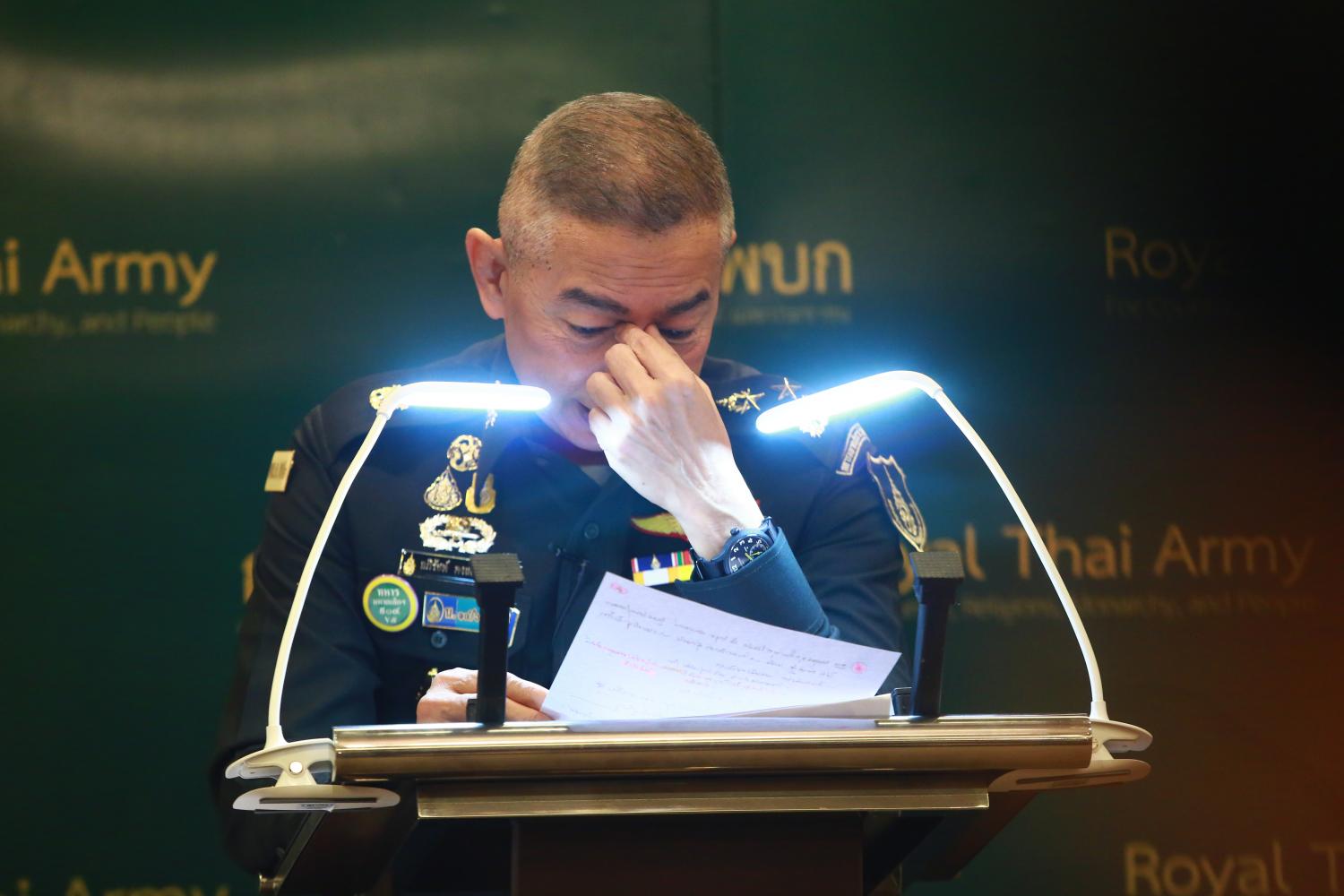
» Thailand's worst apolitical mass shooting on a Buddhist holiday last weekend left a trail of deaths and injuries with one lasting question that will be hard to answer. As the country reels from the shocking tragedy and loss, the Thai government needed to respond by pulling the country together in a healing process, coming to terms with the situation and drawing the right conclusions to prevent this sort of mindless killing from ever taking place again. Instead, the authorities from the prime minister to the army commander-in-chief focused too much on themselves and failed to show sufficient empathy with the people and provide a way forward for Thai society.
Thailand's prospects and risks in 2020s
News, Thitinan Pongsudhirak, Published on 31/01/2020
» Notwithstanding recent worldwide celebrations to mark the arrival of 2020, Thailand should be seen as having entered not just a new year but a new decade. Since World War II, Thailand's journey over the ensuing decades meandered through ebbs and flows, overcoming critical bumps and barriers along the way. When 2030 arrives, this country of 70 million predominantly happy-go-lucky people will have faced a prolonged reckoning. While its near-term prospects are likely to worsen, Thailand's long-term future will be either better compared to the past two decades or bad for the long term.

Politics of regional trade liberalisation
News, Thitinan Pongsudhirak, Published on 20/09/2019
» As multilateral trade negotiations have become unworkable, regional and bilateral alternatives are on the rise. In Thailand's neighbourhood, the most consequential of these trade vehicles is the Regional Comprehensive Economic Partnership (RCEP). As it missed the boat on the Comprehensive and Progressive Trans-Pacific Partnership (CPTPP), Thailand as Asean chair this year should finalise the RCEP expeditiously and find a way to accede to the CPTPP in the near future. Although the Thai political situation remains murky and contentious, there is enough domestic policy consensus on low-hanging fruits, such as regional and bilateral trade liberalisation, that should be reaped without further delay.