



Showing 1 - 10 of 19
Trump's 'America First' in overdrive
News, Thitinan Pongsudhirak, Published on 23/01/2026
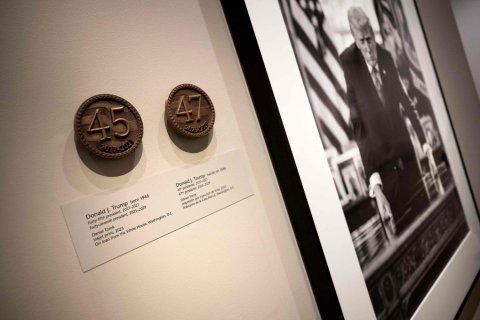
» President Donald Trump's extraterritorial capture of Venezuelan President Nicolas Maduro and his wife on cocaine-trafficking and terrorism-related charges earlier this month and repeated demand to take over Greenland at the World Economic Forum this week are part and parcel of a belligerent and transformative "America First" paradigm that dates back at least four decades.
Southeast Asia amid the US-China rift
Oped, Thitinan Pongsudhirak, Published on 03/10/2025
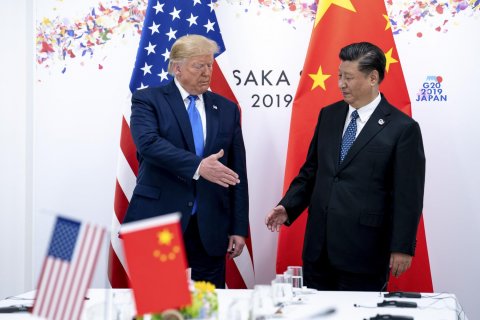
» The rivalry between the United States and China has become the defining contest of the 21st century. Barely two decades ago, Washington and Beijing were partners in prosperity. America's support for China's entry into the World Trade Organization in 2001 epitomised the high-water mark of engagement, reflecting the belief that economic integration would lead to greater political cooperation. Today, that partnership has morphed into suspicion and confrontation. Relations between the United States and China have deteriorated so swiftly that many observers now describe them as locked in a "new Cold War". The more pressing question, however, is not whether this analogy holds, but whether confrontation can be managed short of outright conflict.

Global politics in dangerous territory
Oped, Thitinan Pongsudhirak, Published on 02/09/2022
» While Russia's profound and transformational invasion of Ukraine on Feb 24 has fundamentally reshaped and reinforced contentious trends and contours in the geopolitics and geoeconomics of Asia, it did not set out a new direction in world politics. The international system had already been unravelling over the past decade, underpinned by the United States-China geostrategic rivalry and competition. Given deteriorating patterns and trends, the international environment is entering dangerous territory where what seemed unthinkable not long ago may soon appear to be very conceivable indeed.
Aukus poses challenges to other powers
Oped, Thitinan Pongsudhirak, Published on 15/10/2021
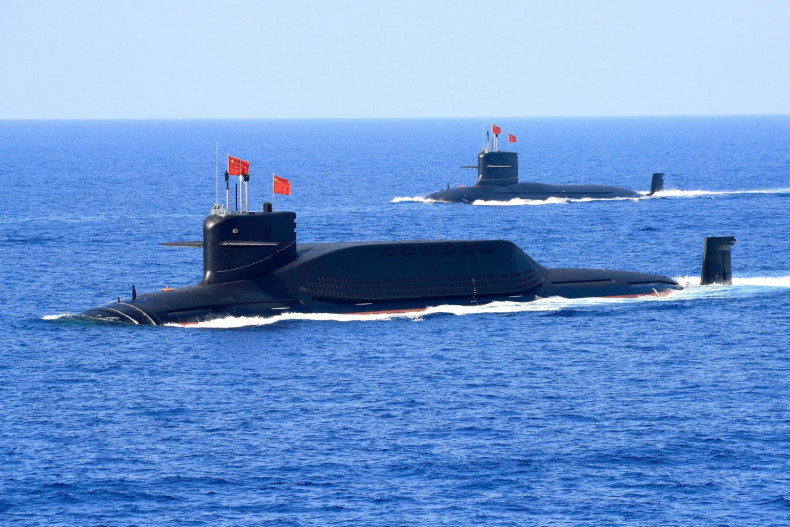
» The Australia-United Kingdom-United States (Aukus) security pact has caused ripple effects across oceans and continents. Not only will the trilateral security partnership provoke China, but it will likely further divide Southeast Asia and overshadow Asean-centred cooperative vehicles, such as the East Asia Summit. Beyond these concerns, the Aukus deal to share Anglo-American nuclear technology to enable Australia's acquisition of eight nuclear-powered submarines over two decades poses challenges to other major powers, particularly the European Union and its key members as well as Japan.
Myanmar coup: Asean's new fault line
Oped, Thitinan Pongsudhirak, Published on 26/02/2021
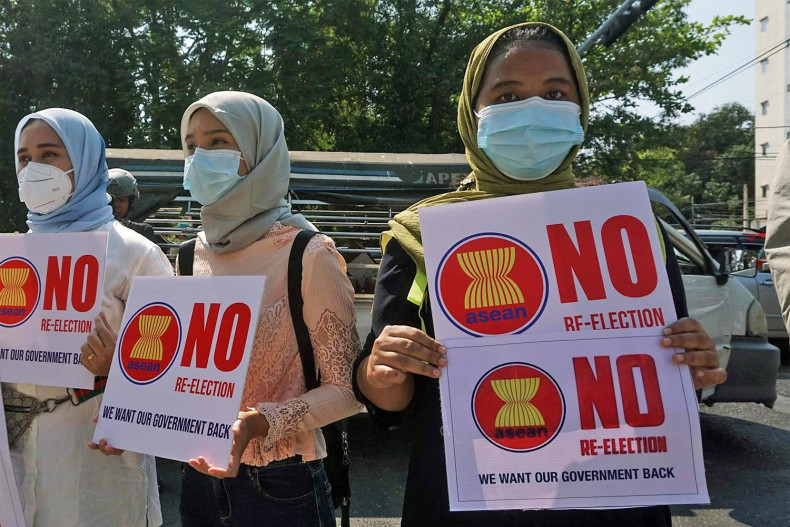
» Already geopolitically divided by China's regional assertiveness, Asean is now facing a new fault line from Myanmar's recent military coup. Just like its divergent views toward China, Asean's mixed preferences toward the Myanmar armed forces' abrupt seizure of power on Feb 1 threaten to further weaken Southeast Asia's 10-member grouping and marginalise its role as the central organising vehicle for regional peace and stability.
Values agenda back in US foreign policy
Oped, Thitinan Pongsudhirak, Published on 29/01/2021
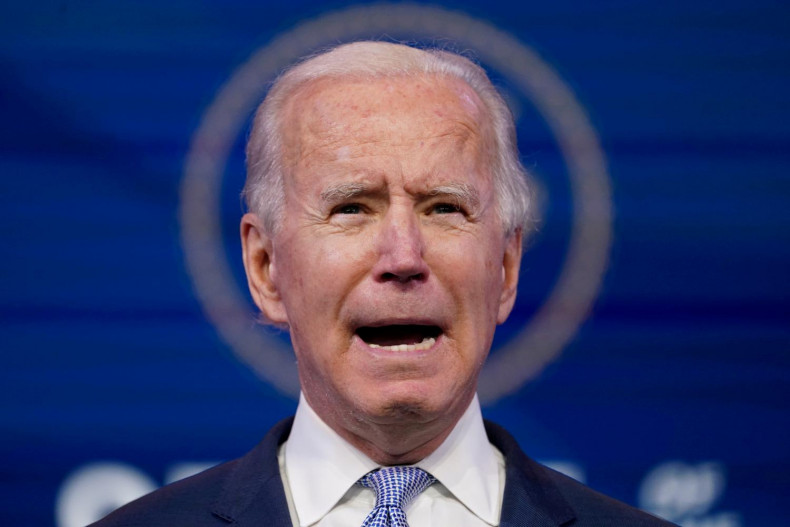
» No presidential transition in the United States is likely to prove more abrupt and dramatic as between former President Donald Trump and newly elected President Joe Biden. Within minutes of formally taking office, Mr Biden signed a slew of executive orders, formalised a policymaking team, and reset the course of domestic and foreign policies. In reversing Mr Trump's nationalist, unilateralist posture and relaunching internationalism and multilateralism, Mr Biden is rebalancing US interests and values. His arrival at the White House is not as much about "America is back" on the global stage but more about "values are back in American foreign policy".
China-US rivalry on Mekong mainland
Oped, Thitinan Pongsudhirak, Published on 27/11/2020
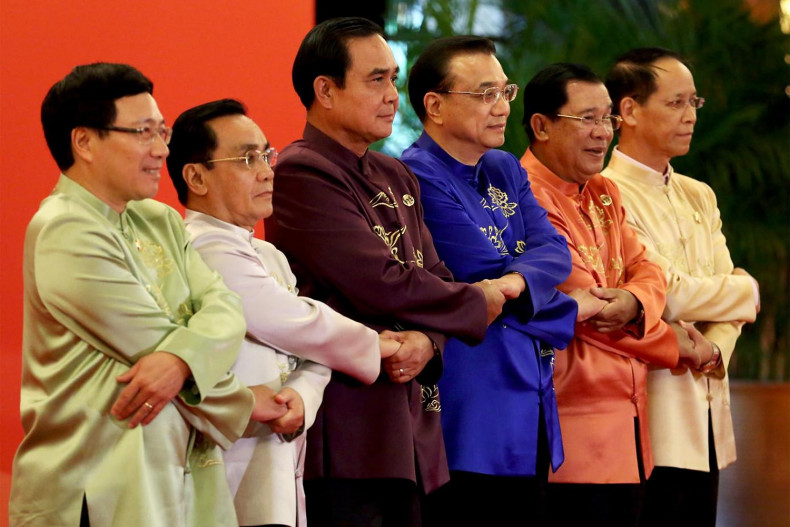
» Unlike other key foreign policy areas where President-elect Joe Biden will likely change the course left behind by outgoing President Donald Trump, the Mekong River region in mainland Southeast Asia represents a low-hanging fruit where continuity from Washington carries consensus. As China has dominated the Mekong space by operating a string of upstream dams and controlling downstream river resources, Cambodia, Laos, Thailand, and Vietnam as adversely affected riparian countries have looked for ways and means to mitigate and counterbalance Beijing's aggressive freshwater offensive. All the incoming Biden administration has to do is to keep its eye on the Mekong and work with like-minded partners to keep mainland Southeast Asian countries from becoming Beijing's uncontested front yard.
US ties with Asia, SE Asia, Thailand
Oped, Thitinan Pongsudhirak, Published on 13/11/2020
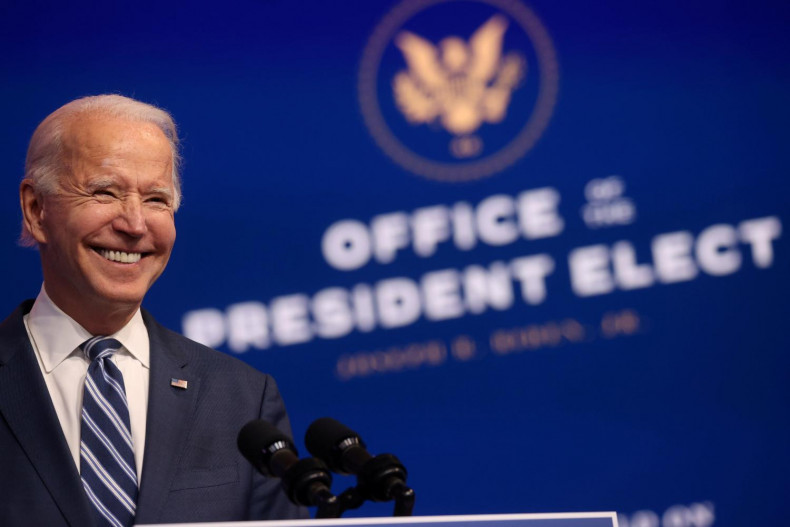
» Under the leadership of President-elect Joe Biden, the United States' relations with Asia broadly and with Southeast Asia and Thailand in particular are set to undergo a qualitative shift in tone and direction. At issue are to what extent Mr Biden will adopt the foreign policy outlook and orientation of former president Barack Obama in 2008-16 and whether he will retain some or reject most of the Asia policy legacy under the outgoing government of President Donald Trump.

Give Thai youth movement a chance
Oped, Thitinan Pongsudhirak, Published on 24/07/2020
» The coronavirus reprieve for the government of Prime Minister Prayut Chan-o-cha is ironically over as Thailand's youth movement for political change has resumed in earnest.
Where Northeast, Southeast Asia meet
News, Thitinan Pongsudhirak, Published on 13/12/2019
» That the post-Second World War liberal international order is unravelling is no longer in dispute. While there are ongoing issues and challenges about how and to what extent the incumbent rules-based international order that has been so beneficial to so many nations and peoples in their course of economic development can still be maintained, there is broad agreement that the international system as we know it has run its course.