



Showing 1 - 10 of 52

Will poll be breakout or more of same?
Oped, Thitinan Pongsudhirak, Published on 06/02/2026
» As Thais go to the polls this Sunday, the most consequential question is whether Thailand will finally break out of its debilitating cycle of political instability and economic underperformance that has marked the past two decades. The signs and signals suggest otherwise -- at least not yet.
Domestic drivers of bilateral conflict
News, Thitinan Pongsudhirak, Published on 19/12/2025
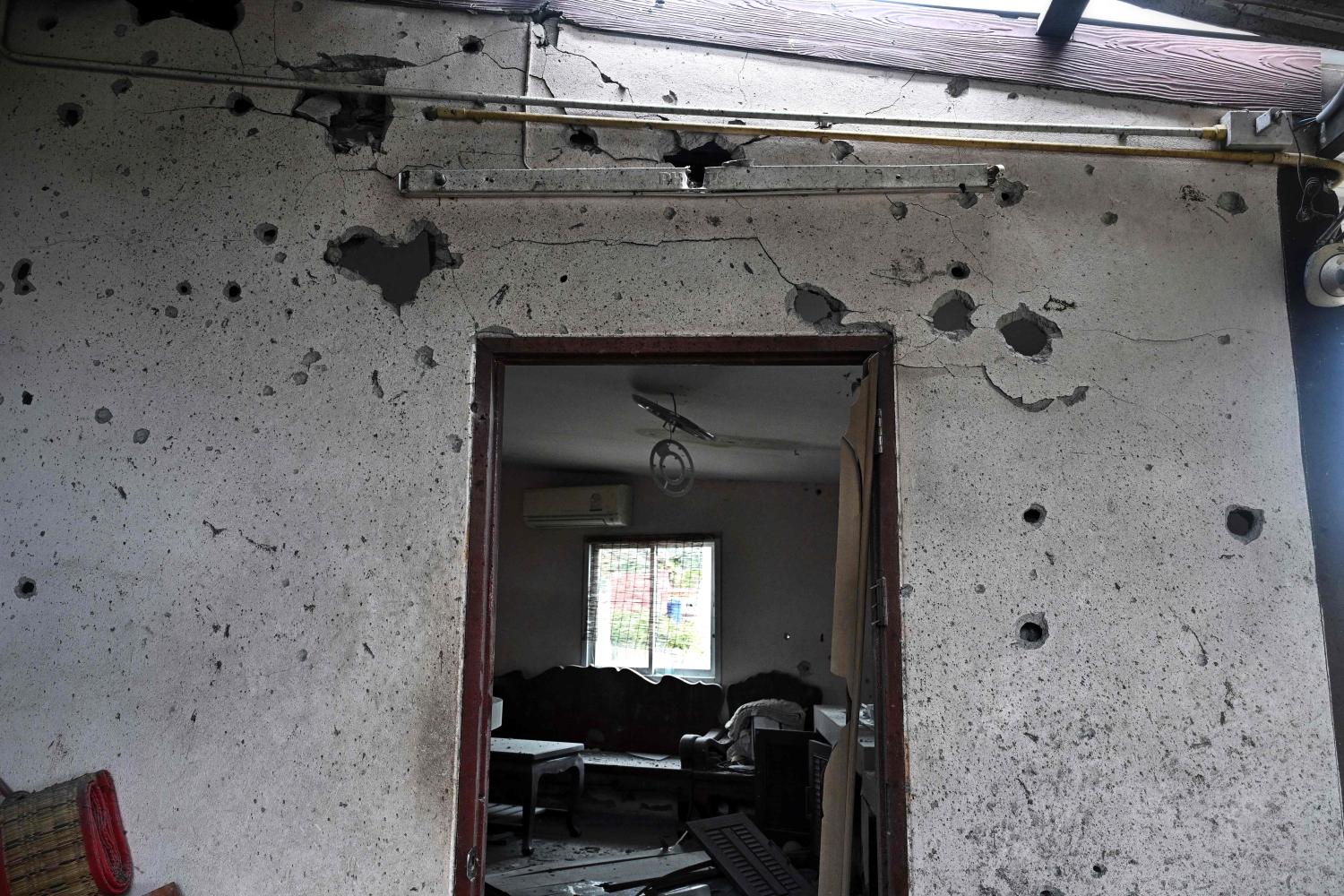
» The latest flare-up and intensification of the armed conflict between Thailand and Cambodia should be understood less as a new crisis and more as a resumption of a bilateral clash that erupted in late July.
Asean's regroup requires deep reforms
Oped, Thitinan Pongsudhirak, Published on 17/10/2025
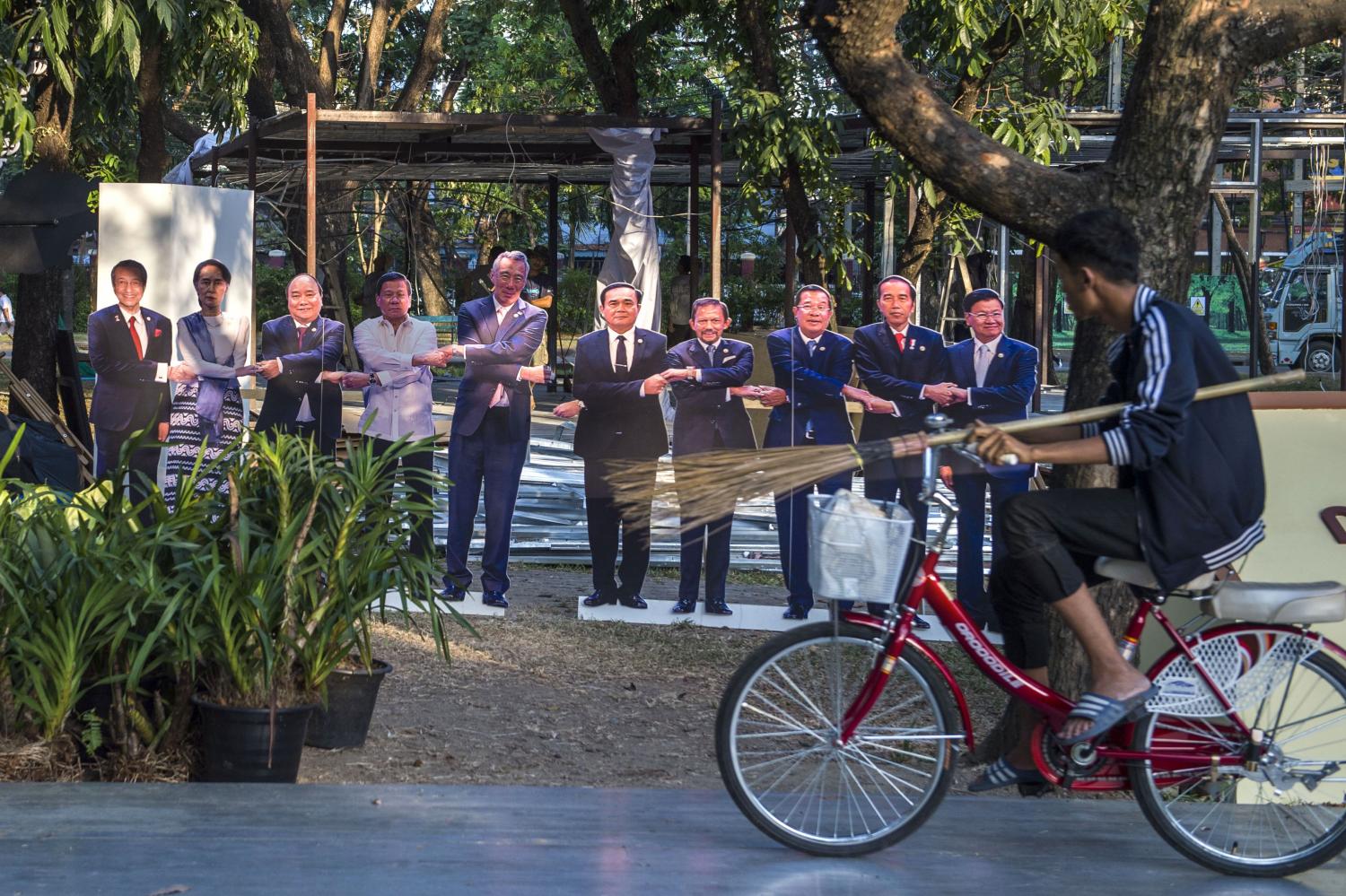
» If Asean's 58 years thus far have been about resilience and playing a central organising role in promoting regional security and stability, its next decade will determine whether the Southeast Asian bloc can adapt and remain relevant. After the crises in Myanmar and along the Thai-Cambodian border, Asean's credibility has never been more in doubt. To regain its effectiveness as Southeast Asia's one and only agency, Asean needs to move away from the ritualistic diplomacy of mundane meetings to far-reaching reforms that chart new ways of making things work.
Flawed Asean needs to regain footing
Oped, Thitinan Pongsudhirak, Published on 10/10/2025
» Nearly six decades after its founding, the Association of Southeast Asian Nations (Asean) finds itself back where it began -- divided, uncertain, and vulnerable to the influence of major powers. Once hailed as a model for regional cooperation in the developing world, Asean now faces a crisis of purpose. Unless it can rediscover the unity and collective way forward that defined its early decades, Southeast Asia's flagship institution risks slipping into irrelevance.
Thai-Cambodian feud is Asean's worst
Oped, Thitinan Pongsudhirak, Published on 15/08/2025
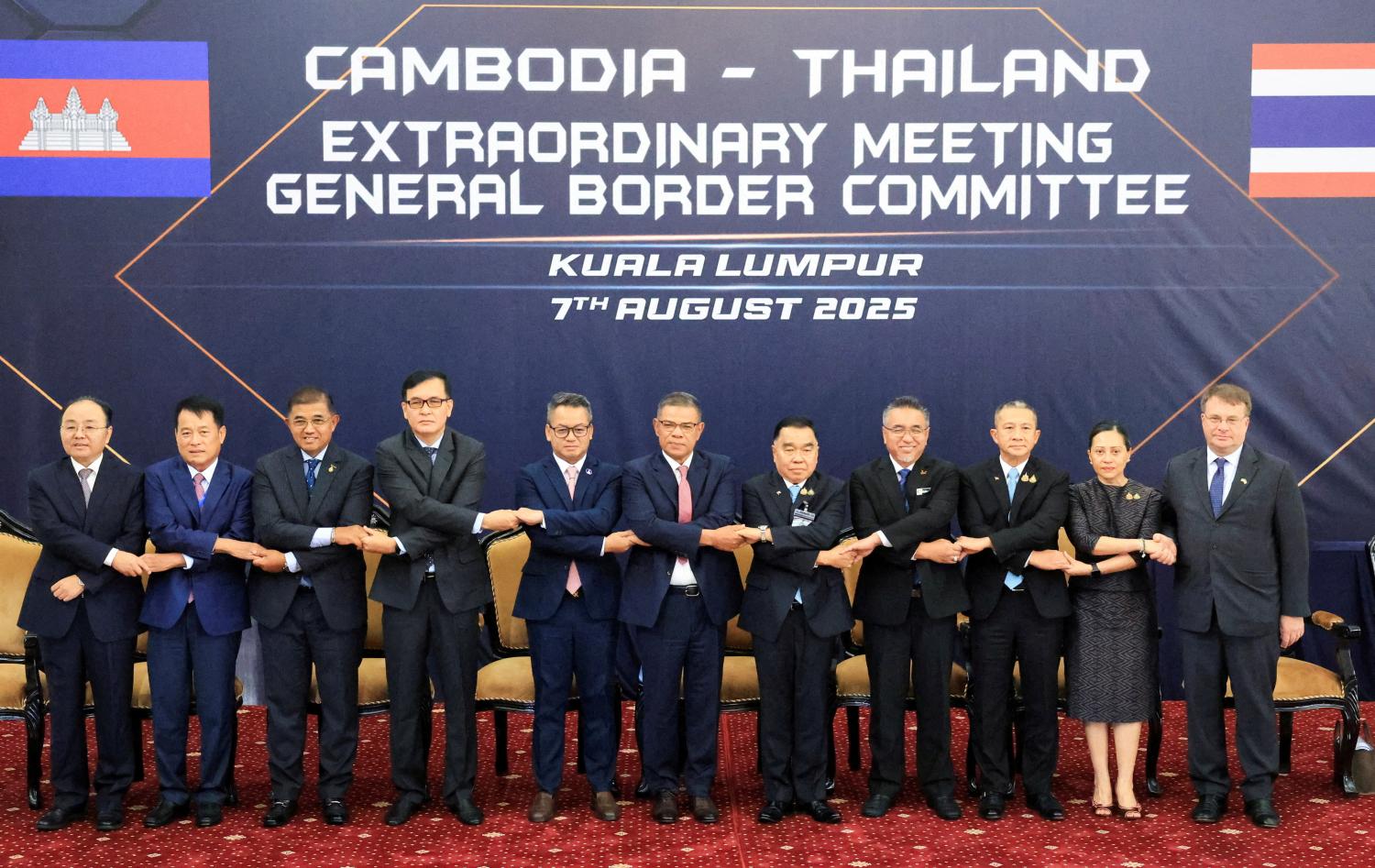
» The border dispute and consequent military conflict between Cambodia and Thailand in recent weeks have become Asean's worst crisis in its 58 years of existence. Ironically, it was an intra-regional war between Indonesia and Malaysia that gave rise to Asean in 1967, but now an intra-Asean military clash is undermining the Southeast Asian organisation's core reason for being and its main claim to credibility and prominence. Unless Asean, under Malaysia as its rotational chair this year, moves fast to contain the bilateral dispute and reinforce a delicate ceasefire agreement, Southeast Asia will be looked upon increasingly as a region and less as an organisation of member states.

What's happened to the Asian Century?
Oped, Thitinan Pongsudhirak, Published on 14/02/2025
» Until recently, the "Asian Century" seemed a compelling narrative but now it is not what it used to be. It was supposed to herald a shift in global economic power from the West to the East, driven by China's rapid rise, India's economic dynamism, and the broader development of Asia. But a quarter of the way into the 21st century, the promise of Asian dominance appears less certain. The enduring technological and economic might of the United States, coupled with its geopolitical backlash against China, has lowered expectations. While Asia remains formidable, the trajectory of global power is open and fluid, with potential dominance shifting not necessarily to any nation or region but perhaps to a non-state entity.

Myanmar's civil war after four years
Oped, Thitinan Pongsudhirak, Published on 31/01/2025
» Four years after its military coup and consequent civil war, Myanmar's spotlight in global headlines continues to dim as geostrategic reorientations and realignments among the major powers take centre stage. Dramatic and drastic foreign policy changes are afoot in the United States under the second administration of President Donald J Trump, while the European Union faces an existential threat from Russia's aggression in Ukraine, and Japan is mired in political sclerosis at home. Myanmar's fate and future will thus likely be determined by the course and outcome of its civil war, China's expanding influence in the country and Asean member states' manoeuvres to a lesser extent.

Indonesia leads Asean into Brics+
Oped, Thitinan Pongsudhirak, Published on 17/01/2025
» As the new year gets underway with the looming re-inauguration of United States President Donald J Trump, countries and entire regions are having to manoeuvre and realign in view of an accelerated breakdown of the post-Second World War rules-based liberal international order.

Thaksin's return and 2025 prospects
Oped, Thitinan Pongsudhirak, Published on 03/01/2025
» Thailand's political environment last year was marked by machinations to keep the biggest election winner, the Move Forward Party, from power and to ensure the runner-up, the Pheu Thai Party, leads a coalition government the old guard can put up with. These manoeuvres after the May 2023 poll, initially forced Move Forward into the opposition and ultimately dissolved the party while bringing Thaksin Shinawatra back from self-exile in August 2023 for a perfunctory jail sentence and installing Srettha Thavisin as prime minister over the same period.

Thai foreign policy needs new rudder
Oped, Thitinan Pongsudhirak, Published on 27/09/2024
» Thailand's foreign policy posture and projection under Foreign Minister Maris Sangiampongsa and the new government of Prime Minister Paetongtarn Shinawatra is off to a good start under severe structural constraints. Given the widespread consensus both at home and abroad that Thailand has fallen behind its peers over the past two decades, the imperative of regaining its international standing is undisputed. But doing so under what the foreign minister has outlined as a "neutral stance" under "non-alignment" among the great powers is moot and misguided. What Thai foreign policy needs is multi-alignments and omni-directionality under a new rudder.