



Showing 1 - 8 of 8
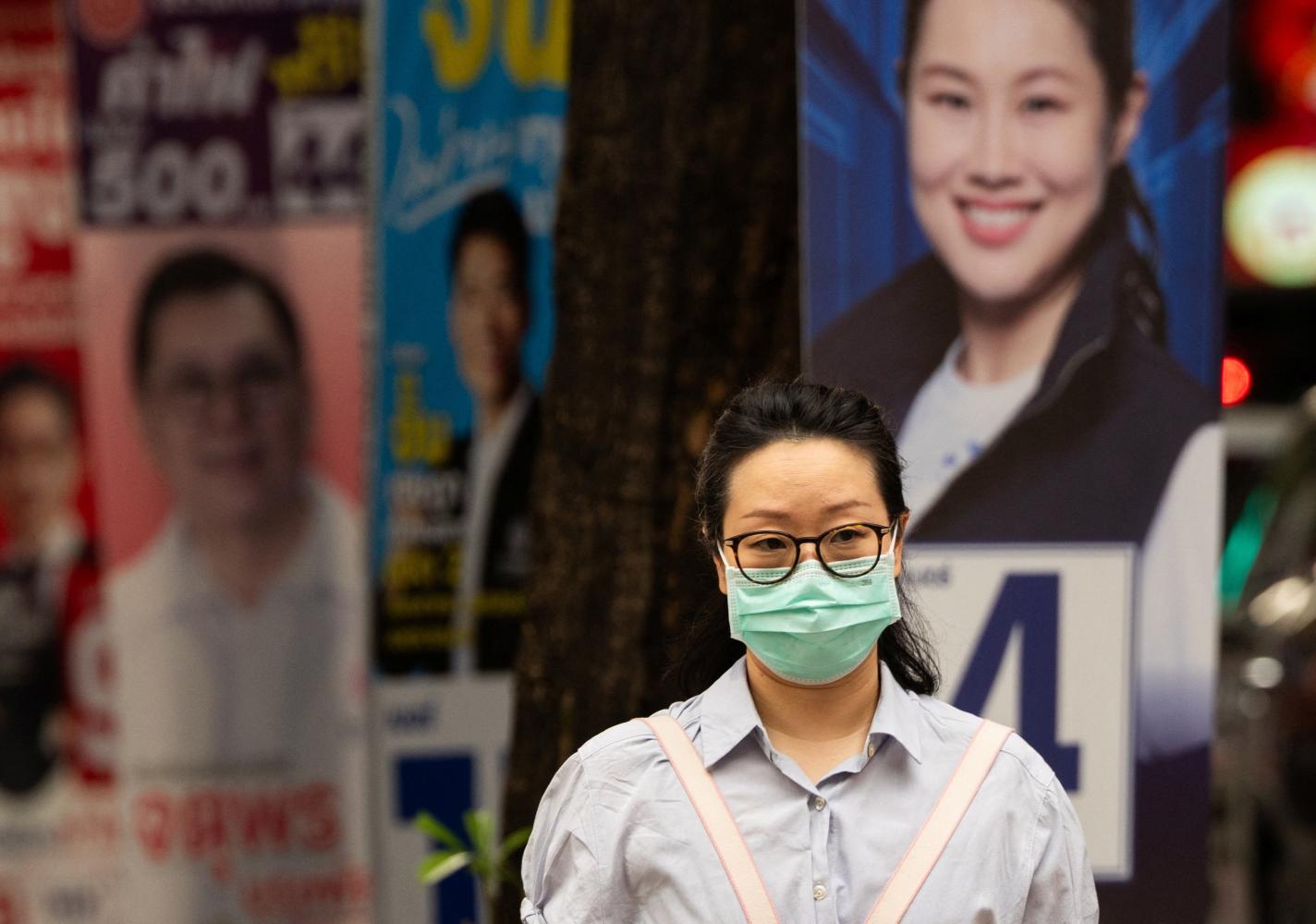
Will poll be breakout or more of same?
Oped, Thitinan Pongsudhirak, Published on 06/02/2026
» As Thais go to the polls this Sunday, the most consequential question is whether Thailand will finally break out of its debilitating cycle of political instability and economic underperformance that has marked the past two decades. The signs and signals suggest otherwise -- at least not yet.

Thai foreign policy needs new rudder
Oped, Thitinan Pongsudhirak, Published on 27/09/2024
» Thailand's foreign policy posture and projection under Foreign Minister Maris Sangiampongsa and the new government of Prime Minister Paetongtarn Shinawatra is off to a good start under severe structural constraints. Given the widespread consensus both at home and abroad that Thailand has fallen behind its peers over the past two decades, the imperative of regaining its international standing is undisputed. But doing so under what the foreign minister has outlined as a "neutral stance" under "non-alignment" among the great powers is moot and misguided. What Thai foreign policy needs is multi-alignments and omni-directionality under a new rudder.

Thai politics has turned upside down
Oped, Thitinan Pongsudhirak, Published on 23/08/2024
» The rise of Prime Minister Paetongtarn Shinawatra and the return -- and re-entry, of her father, Thaksin Shinawatra, have turned Thai politics upside down. On the surface, Mr Thaksin still dominates Thai politics nearly 20 years after he was deposed by a military coup and exiled for most of that period. This time, his political power and influence are being exercised through his daughter Ms Paetongtarn. As the Shinawatra clan has been coopted by its former establishment adversaries, the past two decades of periodic elections, street protests, two military coups, two constitutions, and multiple judicial bans on political parties and elected politicians have entered a new chapter.

The Thaksin factor in Thai politics
Oped, Thitinan Pongsudhirak, Published on 15/03/2024
» Thai politics in the near term will likely be dominated by the fate of the two largest vote winners from the general election in May 2023, the Move Forward (MFP) and Pheu Thai parties. While the MFP is at risk of another dissolution, the same as its predecessor Future Forward Party suffered in 2020, Pheu Thai's political future appears to hinge on Thaksin Shinawatra and his return from exile in what is believed to be a deal that follows the assumption of the premiership under Srettha Thavisin, and for Thaksin, a royal pardon and early release on parole.

Thailand's semi-democracy returns
Oped, Thitinan Pongsudhirak, Published on 01/12/2023
» The appointment of Gen Prayut Chan-o-cha as privy councillor has neatly bookended Thai politics over the past decade. It coincides with the 10-year anniversary of the street demonstrations that were led by the People's Democratic Reform Committee, paving the way for Gen Prayut to stage a military coup in May 2014. While the interim was a period of hard and soft military-authoritarian rule in 2014-19 and 2019-23, the new moving balance in Thai politics is a semi-democracy of sorts under the Pheu Thai Party-led coalition government.
Done and emerging battles in Thai poll
Oped, Thitinan Pongsudhirak, Published on 28/04/2023
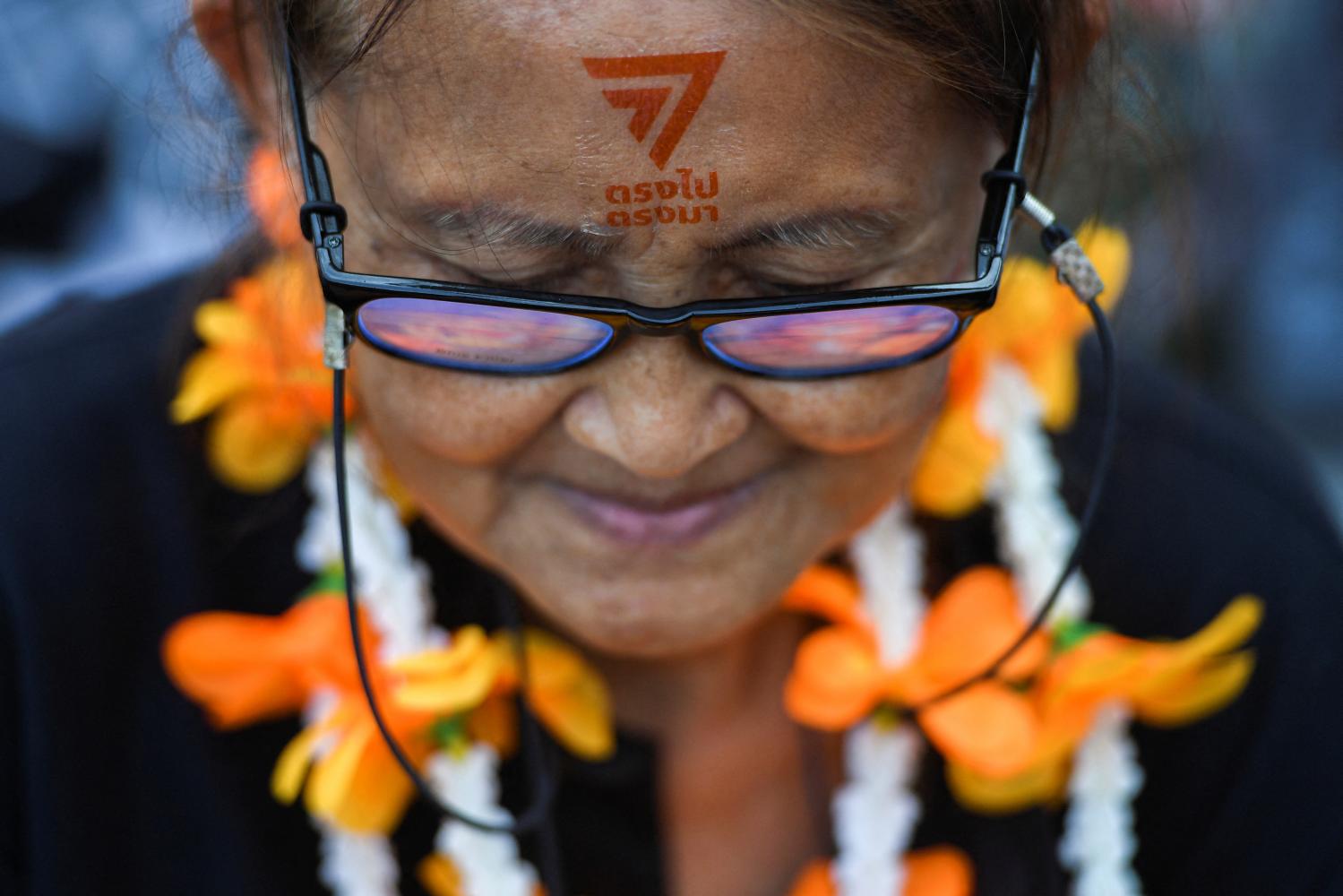
» Thailand's poll-leading Pheu Thai Party (PTP) is fighting a war it has already won. Consequently, its pledged freebie of 10,000 baht in a digital wallet for Thai people is superfluous and unnecessary. As the populism war has run its course, a new battleground revolving around the reform and adjustment of traditional centres of power is emerging. The fight in this new battle, being led by the Move Forward Party (MFP), is likely to last into the foreseeable future as the next stage in Thailand's modernisation imperative in the 21st century.
Thailand's holding pattern till next poll
Oped, Thitinan Pongsudhirak, Published on 10/09/2021
» Thailand's recent no-confidence debate in parliament started with a bang and ended with a whimper. Prime Minister Prayut Chan-o-cha and five other cabinet members who were grilled by opposition MPs for pandemic mishandling, budget irregularities and overall mismanagement and incompetence sailed through the parliamentary vote based on the coalition government's strength in MP numbers rather than the merits of its governance.

An ex-cop who has no fear of the generals
News, Thitinan Pongsudhirak, Published on 14/12/2018
» Over the past four and a half years of military government, the Thai people have been physically cowed. Sure, there are many, possibly a silent majority, who may be waiting for the poll to have their say in opposition to the military junta that seized power in May 2014, led by then-army chief Gen Prayut Chan-o-cha, the incumbent prime minister. But few have been able and willing to stand up and stare down the ruling generals who routinely resort to intimidation and coercion, armed with guns and the law, which they sometimes interpret as they see fit. Just about everyone in Thailand is physically afraid of the junta in one way or another. Otherwise, there would have been more anti-junta demonstrations in public view.