



Showing 1 - 10 of 12

Asean's regroup requires deep reforms
Oped, Thitinan Pongsudhirak, Published on 17/10/2025
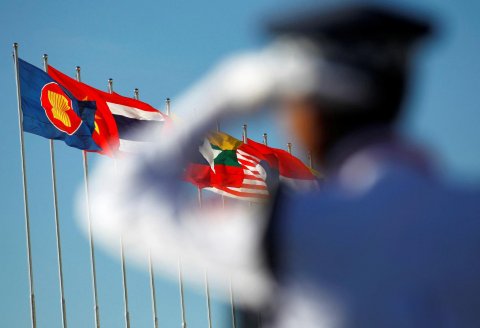
» If Asean's 58 years thus far have been about resilience and playing a central organising role in promoting regional security and stability, its next decade will determine whether the Southeast Asian bloc can adapt and remain relevant. After the crises in Myanmar and along the Thai-Cambodian border, Asean's credibility has never been more in doubt. To regain its effectiveness as Southeast Asia's one and only agency, Asean needs to move away from the ritualistic diplomacy of mundane meetings to far-reaching reforms that chart new ways of making things work.
Flawed Asean needs to regain footing
Oped, Thitinan Pongsudhirak, Published on 10/10/2025
» Nearly six decades after its founding, the Association of Southeast Asian Nations (Asean) finds itself back where it began -- divided, uncertain, and vulnerable to the influence of major powers. Once hailed as a model for regional cooperation in the developing world, Asean now faces a crisis of purpose. Unless it can rediscover the unity and collective way forward that defined its early decades, Southeast Asia's flagship institution risks slipping into irrelevance.

Thai-Cambodian feud is Asean's worst
Oped, Thitinan Pongsudhirak, Published on 15/08/2025
» The border dispute and consequent military conflict between Cambodia and Thailand in recent weeks have become Asean's worst crisis in its 58 years of existence. Ironically, it was an intra-regional war between Indonesia and Malaysia that gave rise to Asean in 1967, but now an intra-Asean military clash is undermining the Southeast Asian organisation's core reason for being and its main claim to credibility and prominence. Unless Asean, under Malaysia as its rotational chair this year, moves fast to contain the bilateral dispute and reinforce a delicate ceasefire agreement, Southeast Asia will be looked upon increasingly as a region and less as an organisation of member states.
Trump tariffs sow divisions in Asean
Oped, Thitinan Pongsudhirak, Published on 02/05/2025
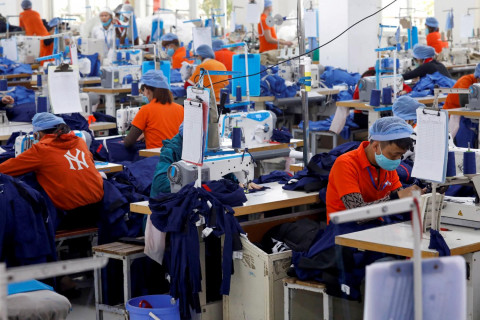
» President Donald Trump's unilateral imposition of tariffs across the United States' economic chessboard poses a critical test for Asean. As the regional organisation of Southeast Asia, Asean has weathered many geopolitical and geoeconomic storms in its 58-year existence, but no adversity like the Trump tariffs. Unless Asean reorganises and regroups, the ten-member body risks further divisions and increasing irrelevance.

Foreign policy needs to be democratic
Oped, Thitinan Pongsudhirak, Published on 11/10/2024
» To the extent that foreign policy starts at home, Prime Minister Paetongtarn Shinawatra's latest diplomatic forays should be supported because Thailand has become a regional laggard with its international standing at an all-time low. Elected civilian leaders by the people, as opposed to unelected appointees from military-conservative elites, are the way ahead to regain Thailand's international profile and forward movements. Ms Paetongtarn is evidently not the first-best elected outcome, but she is all Thailand has to work with for now.
Regional vaccine approach is imperative
Oped, Thitinan Pongsudhirak, Published on 14/05/2021
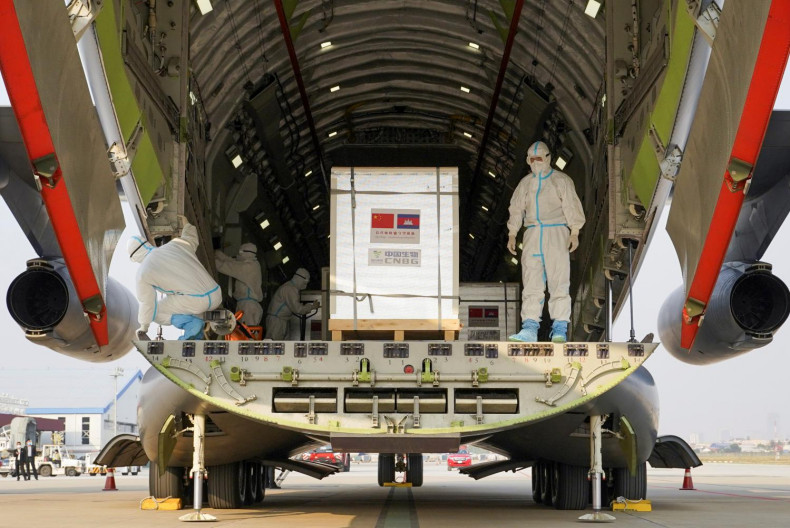
» As vaccine diplomacy thrives and vaccine nationalism rears its head, it has become clear that the ideal global solution to the collective action problem of the coronavirus pandemic is for all countries to put their eggs in the same basket. If all countries are forced to rely on the global vaccine alliances' and the World Health Organization's Covid-19 Global Vaccines Access (Covax) plan, whereby any vaccine for one means an available antidote for all, the post-pandemic recovery would arrive faster and smoother with more promising prospects. But short of the ideal solution, the global health system is largely based on self-help, each country mapping its own plan for recovery with a mix of procurement strategies.
Abe legacy is Japan as 'normal' nation
Oped, Thitinan Pongsudhirak, Published on 04/09/2020
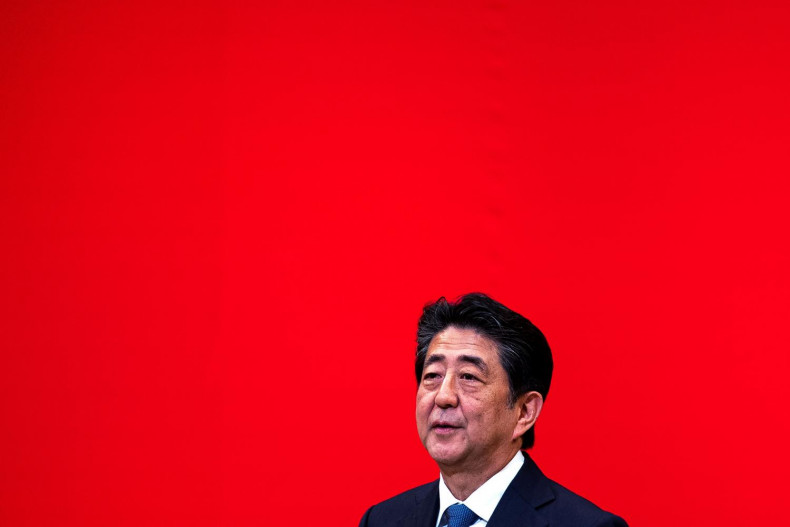
» Japan's outgoing Prime Minister Shinzo Abe will be missed throughout much of Asia, including China. His health-induced political departure attributable to a recurrence of ulcerative colitis brings to an end Japan's longest-serving prime minister in a consecutive tenure. While much will be recorded about his rich legacy, Mr Abe should be seen as a natural mover and shaker who reshaped Japan into a more "normal" country able to pursue its national interest like others by all available means.

Concentric Mideast wars and prospects
News, Thitinan Pongsudhirak, Published on 10/01/2020
» Nothing captures attention in an age of media saturation like the talk of war. The recent decision by US President Donald Trump to assassinate a top Iranian official, Quds Force Commander Major General Qassem Soleimani, has conjured up the spectre of a wider conflict encompassing not just the Middle East but the broader world, as Iran's top leaders deemed it "an act of war" and vowed "severe revenge". Although Iran's military and its proxy militias and client states in the Middle East and elsewhere are poised to exact retribution for their loss, we are unlikely to see a world war in the immediate aftermath of this killing.

Developing by managing demographics
News, Thitinan Pongsudhirak, Published on 27/09/2019
» Once upon a time, it was feared that the earth would become overcrowded and its inhabitants unable to find enough to eat. This fear has not only proved unfounded but it has gone in the opposite direction. What almost every nation fears now is a decline in inhabitants as the birth rate cannot keep up with the longevity of the aged and elderly, imposing unsustainable burdens on working-age segments of the population. Every region is afflicted with this demographic predicament, especially in affluent societies where the birth rate decline is acute, such as Japan.
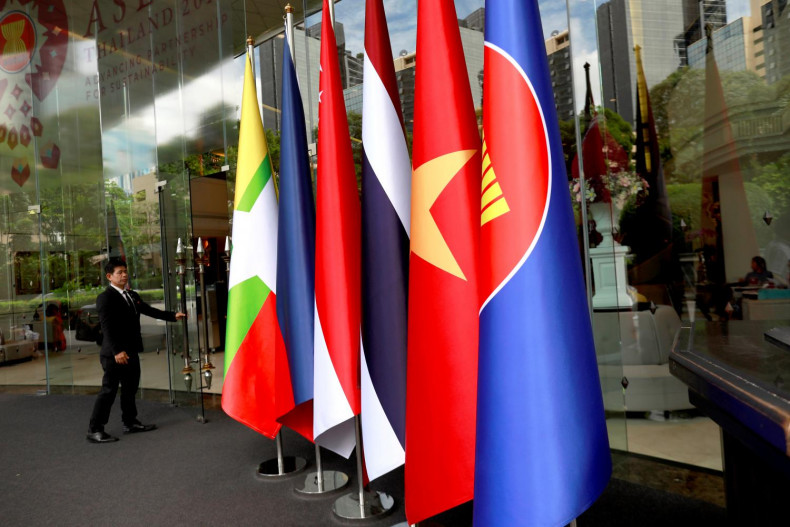
Seeing Asean straight as Thailand chairs
News, Thitinan Pongsudhirak, Published on 21/06/2019
» When Asean organises big meetings, the tendency for the host is to talk up a brouhaha. So it goes with the 34th Asean summit under Thailand's rotating chairmanship this year. By year's end, several hundred Asean-related meetings will have taken place, highlighted by the final annual summitry in October-November that will include top leaders from China, India, Japan, Russia, the United States, among others.