



Showing 1 - 7 of 7

Smart geopolitics starts on home front
Oped, Thitinan Pongsudhirak, Published on 21/02/2025
» According to a longstanding axiom, all politics is local. If so, then smart and crafty geopolitics must start at home with sufficient domestic political stability and consensus about how the country should navigate what is increasingly a turbulent geostrategic chessboard. Put this way, few countries can appreciate the intersection of geopolitics and domestic politics more than Thailand. Its rocky and volatile home front over the past two decades continues to impede and constrain its geostrategic projection.

Trump's tariff blackmail boosts Brics
Oped, Thitinan Pongsudhirak, Published on 06/12/2024
» Even before officially taking office, United States President-elect Donald J Trump is shaking up the international system with drama and fanfare unlike any other major leader in recent memory. His most recent outburst to slap 100% tariffs on the "Brics" countries -- Brazil, Russia, India, China, and South Africa, as well as Egypt, Ethiopia, Iran and the United Arab Emirates -- is a case in point. While it will coerce developing economies to think twice about the cost of going their own way, this tariff blackmail and others like it also risk pushing smaller countries away from the US to other rival big powers, particularly China.

Thailand's Brics move is misguided
Oped, Thitinan Pongsudhirak, Published on 21/06/2024
» There are two main explanations behind Thailand's application to join the Brics group, initially comprising Brazil, Russia, India, China, and South Africa.
The geopolitics of China's CPTPP move
Oped, Thitinan Pongsudhirak, Published on 03/12/2021
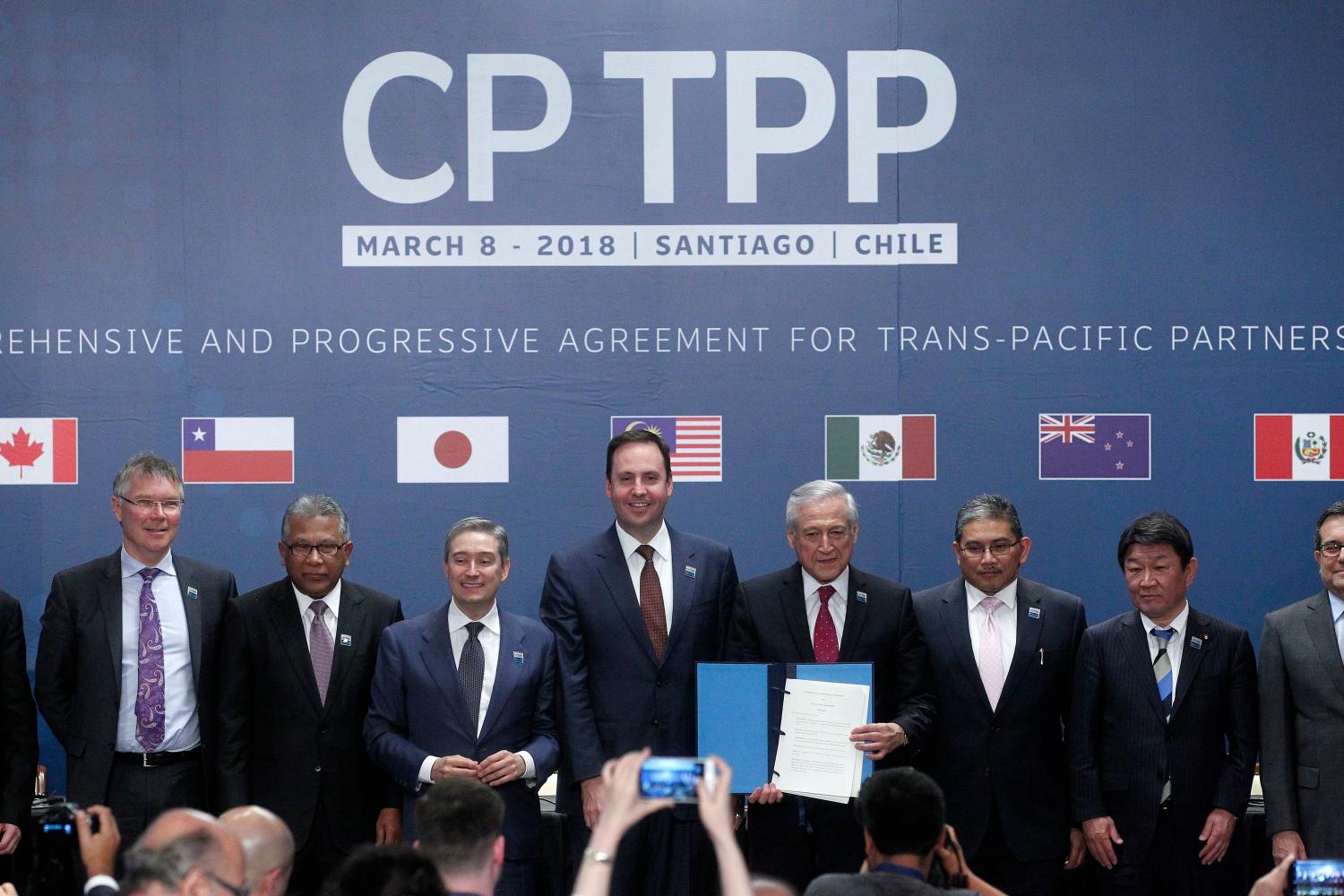
» Nowhere is the intersection between geopolitics and geoeconomics more evident than the accession negotiations under the 11-member Comprehensive and Progressive Agreement for Trans-Pacific Partnership (CPTPP). At issue are three new applications for accession by the United Kingdom, China, and Taiwan. While the UK's candidacy alters the geographic crux of what has been Asia-Pacific trade liberalisation, China's and Taiwan's entry efforts represent a proxy showdown between the United States-led global order and 75-year-old alliance system versus Beijing's geostrategic ambitions and objectives.

Values agenda back in US foreign policy
Oped, Thitinan Pongsudhirak, Published on 29/01/2021
» No presidential transition in the United States is likely to prove more abrupt and dramatic as between former President Donald Trump and newly elected President Joe Biden. Within minutes of formally taking office, Mr Biden signed a slew of executive orders, formalised a policymaking team, and reset the course of domestic and foreign policies. In reversing Mr Trump's nationalist, unilateralist posture and relaunching internationalism and multilateralism, Mr Biden is rebalancing US interests and values. His arrival at the White House is not as much about "America is back" on the global stage but more about "values are back in American foreign policy".

Where Northeast, Southeast Asia meet
News, Thitinan Pongsudhirak, Published on 13/12/2019
» That the post-Second World War liberal international order is unravelling is no longer in dispute. While there are ongoing issues and challenges about how and to what extent the incumbent rules-based international order that has been so beneficial to so many nations and peoples in their course of economic development can still be maintained, there is broad agreement that the international system as we know it has run its course.

Can technology transform patronage politics?
News, Thitinan Pongsudhirak, Published on 30/03/2018
» By the time it takes place after evident foot-dragging by relevant authorities, the next election in Thailand will be unlike its precursors. There will be new parties with new policy ideas, new vote-gathering technologies and first-time voters who came of age during Thailand's political tension and polarisation more or less over the past two decades. At issue during the next poll is whether and to what extent Thailand's entrenched and endemic patronage-driven and vote-buying political system has really changed. The evidence is mixed but it is plausible that a new kind of politics will emerge not directly in the next poll but in the 2020s.