



Showing 1 - 10 of 47
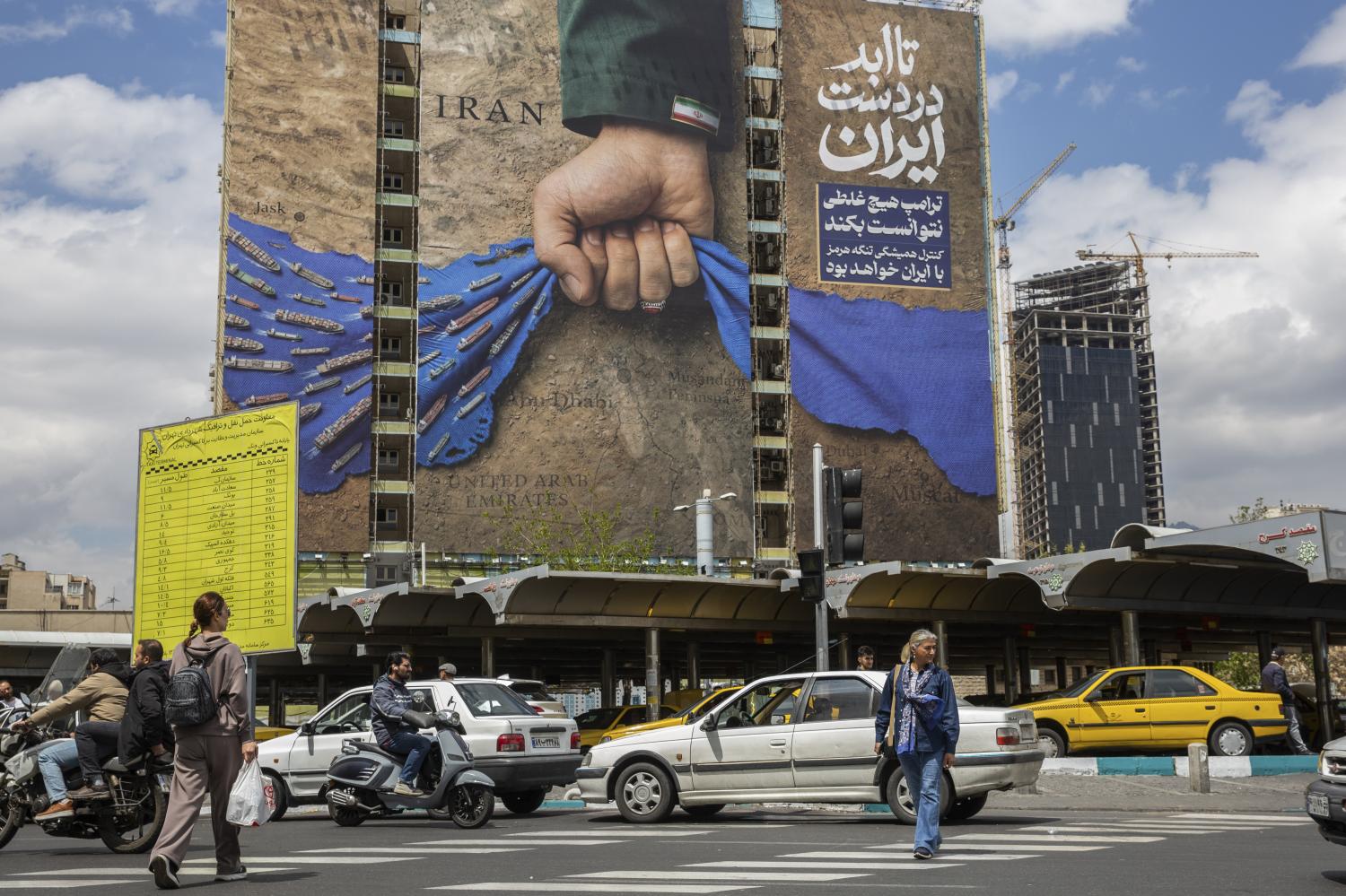
The war and its likely consequences
Oped, Thitinan Pongsudhirak, Published on 17/04/2026
» As the joint attack between the United States and Israel against Iran that resulted in a wider regional conflict in the Middle East approaches its two-month mark, the directions of the war remain precarious while some of the longer-lasting consequences appear evident. Unsurprisingly, the war has been detrimental and damaging for all states and societies concerned, not just within the affected region but the wider world. Already we can start counting some of the long-term costs.
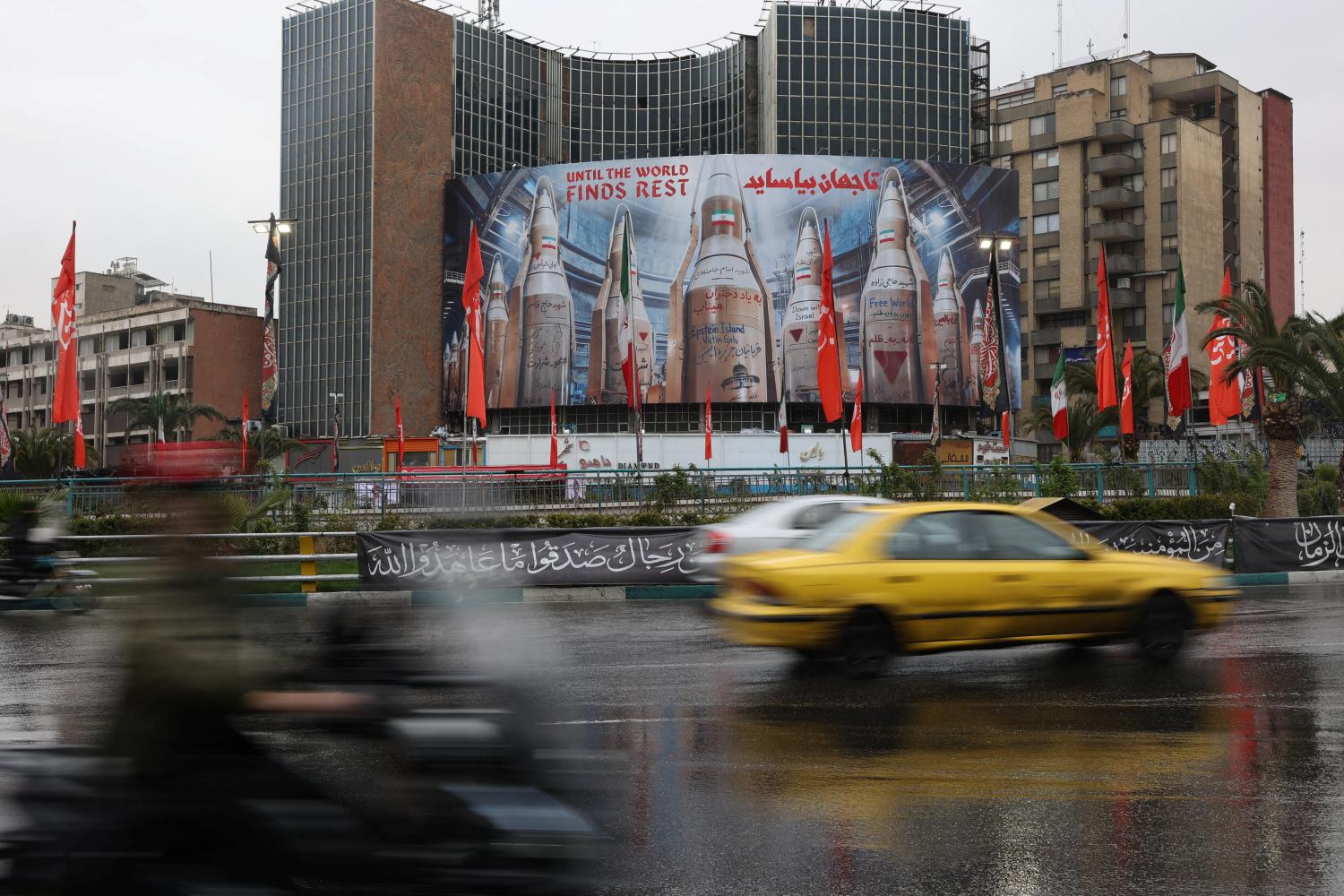
Impacts of Iran war on Southeast Asia
Oped, Thitinan Pongsudhirak, Published on 20/03/2026
» For the most part, Southeast Asia as a region has taken a neutral stance toward the joint attack between the United States and Israel against the Islamic Republic of Iran. Even the Philippines and Thailand, two formal US treaty allies, have distanced themselves, calling for restraint and de-escalation.
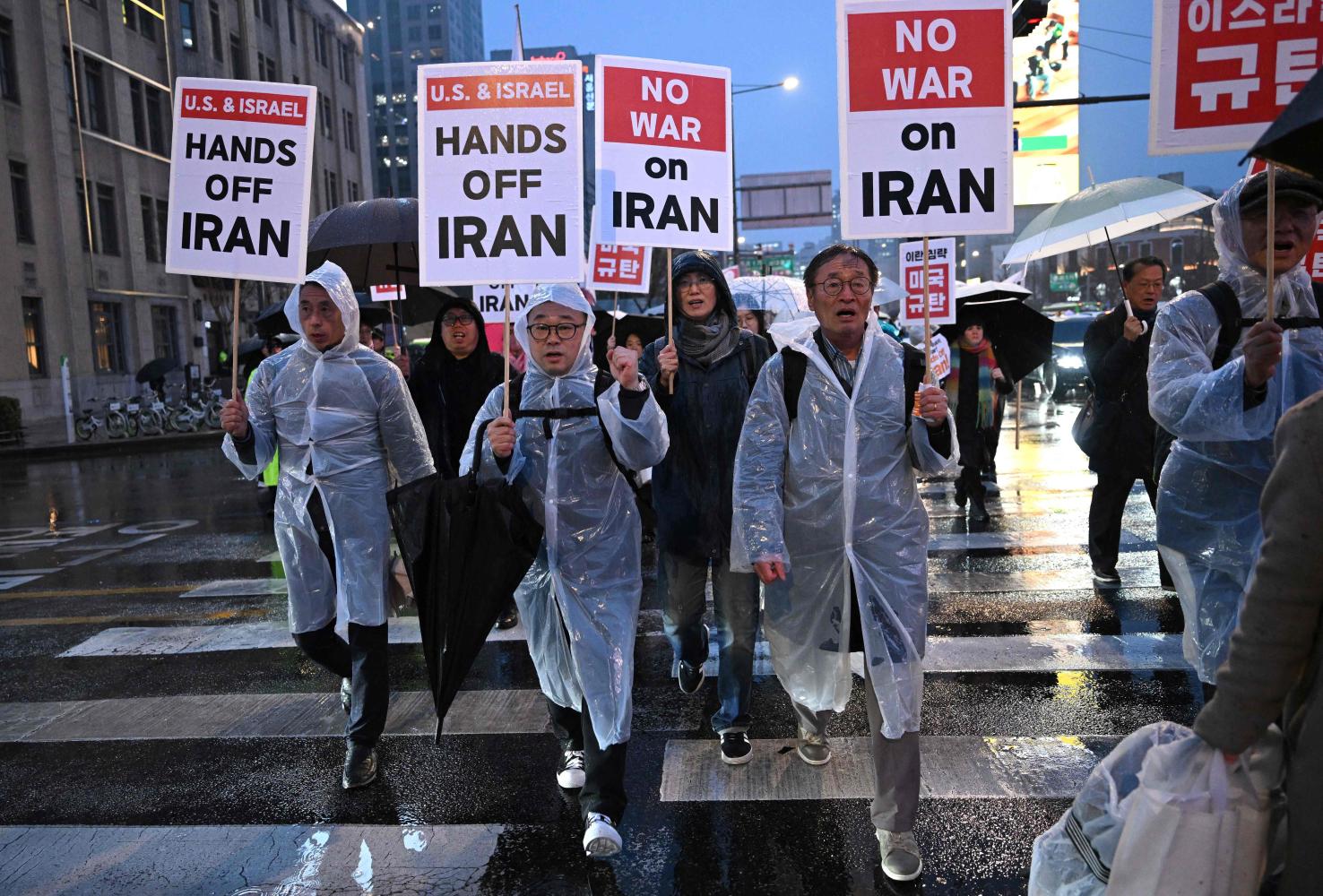
America risks grand folly in Iran war
Oped, Thitinan Pongsudhirak, Published on 06/03/2026
» It is just the first week of the joint attack between the United States and Israel on the Islamic Republic of Iran, but the repercussions from the Middle East for the Indo-Pacific are already discernible.
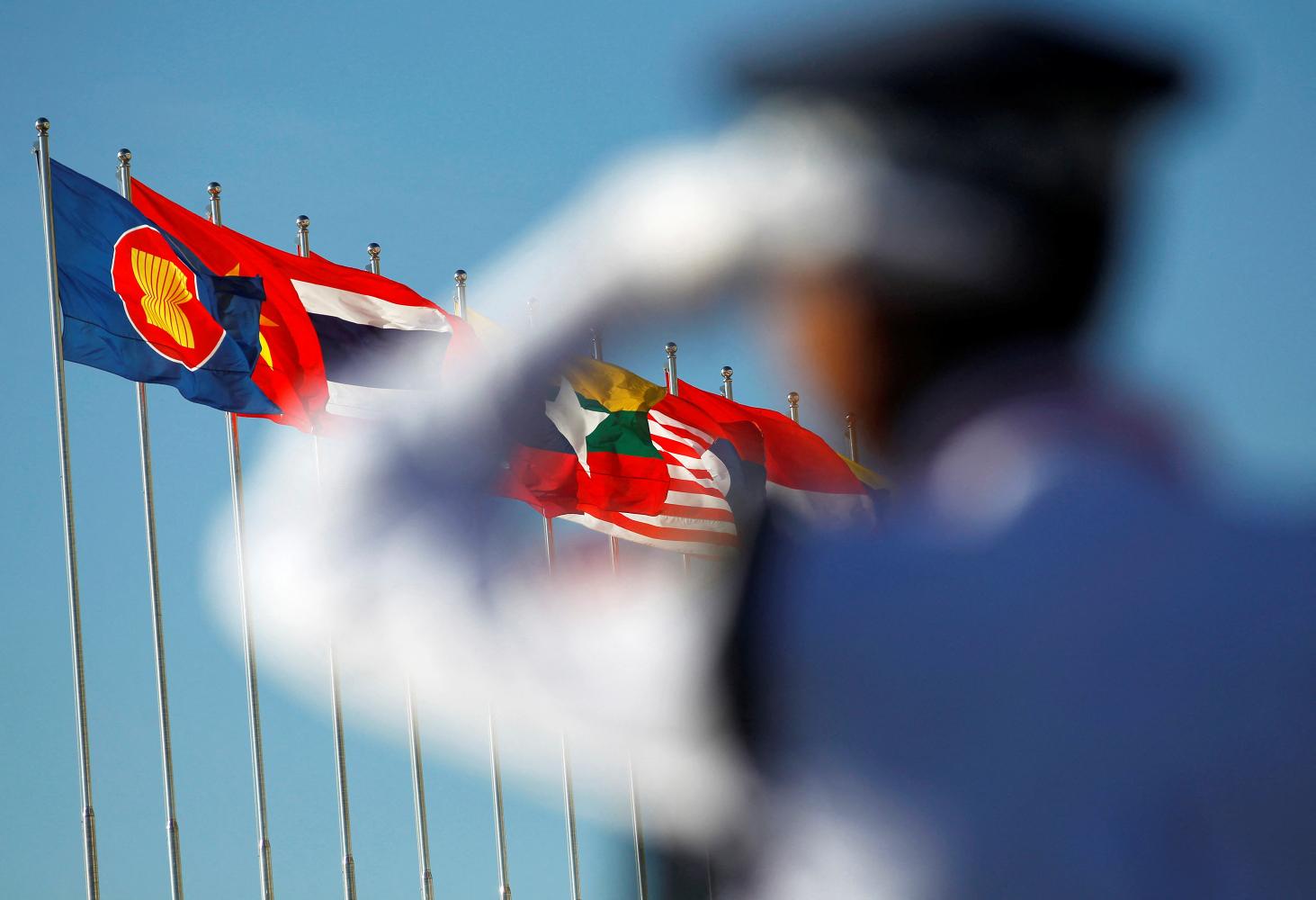
Flawed Asean needs to regain footing
Oped, Thitinan Pongsudhirak, Published on 10/10/2025
» Nearly six decades after its founding, the Association of Southeast Asian Nations (Asean) finds itself back where it began -- divided, uncertain, and vulnerable to the influence of major powers. Once hailed as a model for regional cooperation in the developing world, Asean now faces a crisis of purpose. Unless it can rediscover the unity and collective way forward that defined its early decades, Southeast Asia's flagship institution risks slipping into irrelevance.
Southeast Asia amid the US-China rift
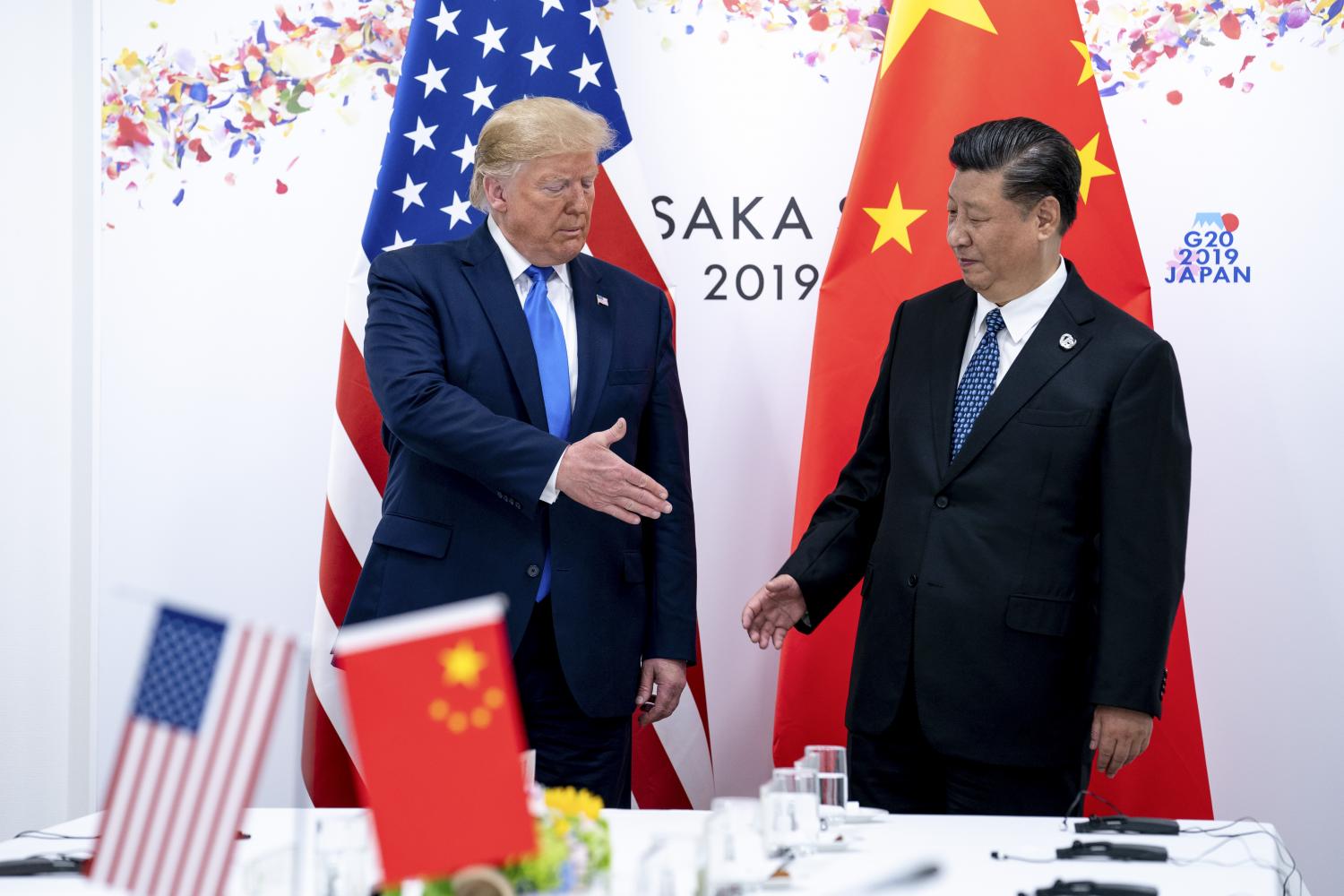
Oped, Thitinan Pongsudhirak, Published on 03/10/2025
» The rivalry between the United States and China has become the defining contest of the 21st century. Barely two decades ago, Washington and Beijing were partners in prosperity. America's support for China's entry into the World Trade Organization in 2001 epitomised the high-water mark of engagement, reflecting the belief that economic integration would lead to greater political cooperation. Today, that partnership has morphed into suspicion and confrontation. Relations between the United States and China have deteriorated so swiftly that many observers now describe them as locked in a "new Cold War". The more pressing question, however, is not whether this analogy holds, but whether confrontation can be managed short of outright conflict.
Anutin's new cabinet is a mixed bag
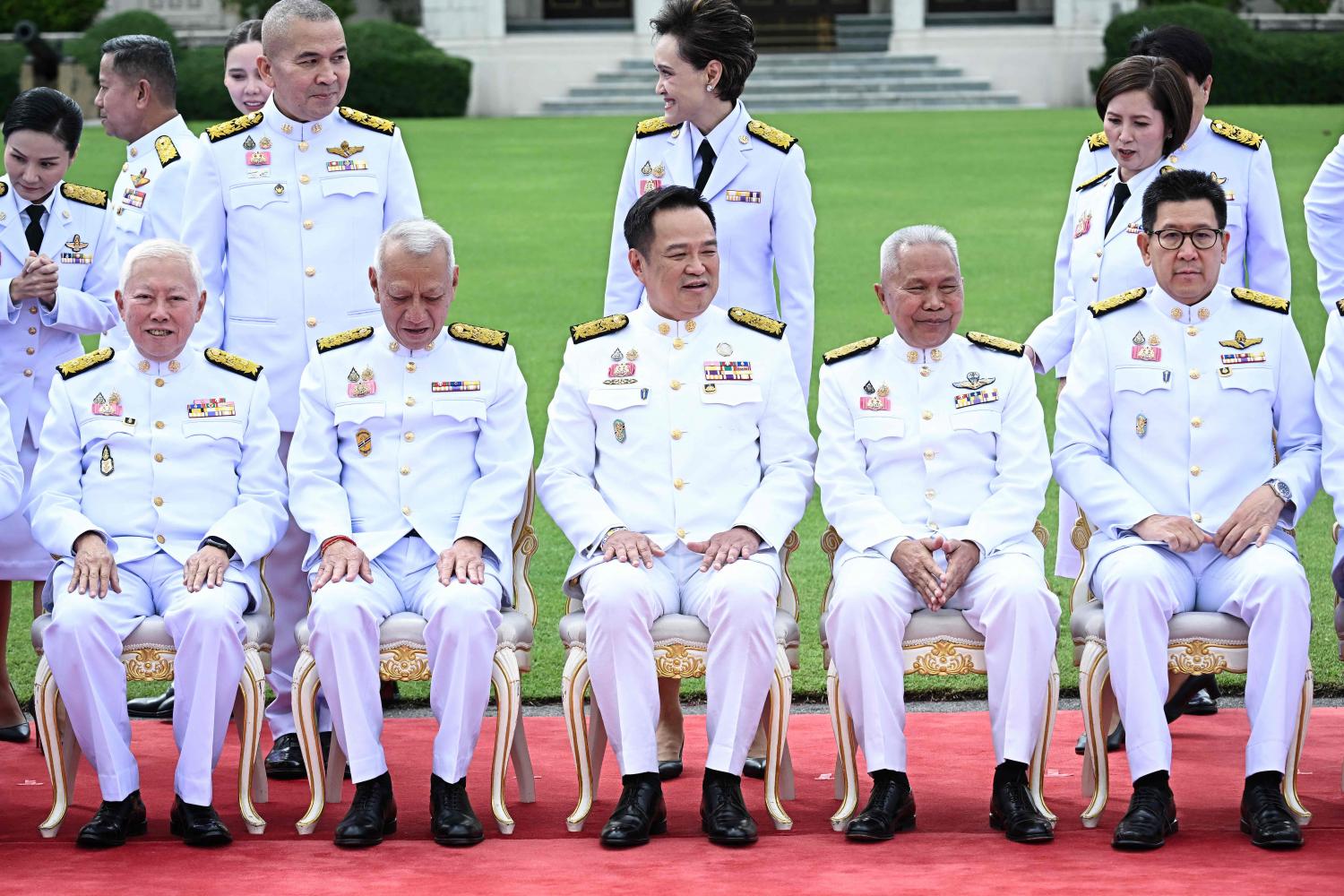
Oped, Thitinan Pongsudhirak, Published on 26/09/2025
» The composition and size of Prime Minister Anutin Charnvirakul's 36-member cabinet suggest that he intends to stay in office for as long as possible, clinging to the terms of the government-enabling Memorandum of Agreement (MOA) and calling an early election only if circumstances make it unavoidable.
Thai-Cambodian feud is Asean's worst
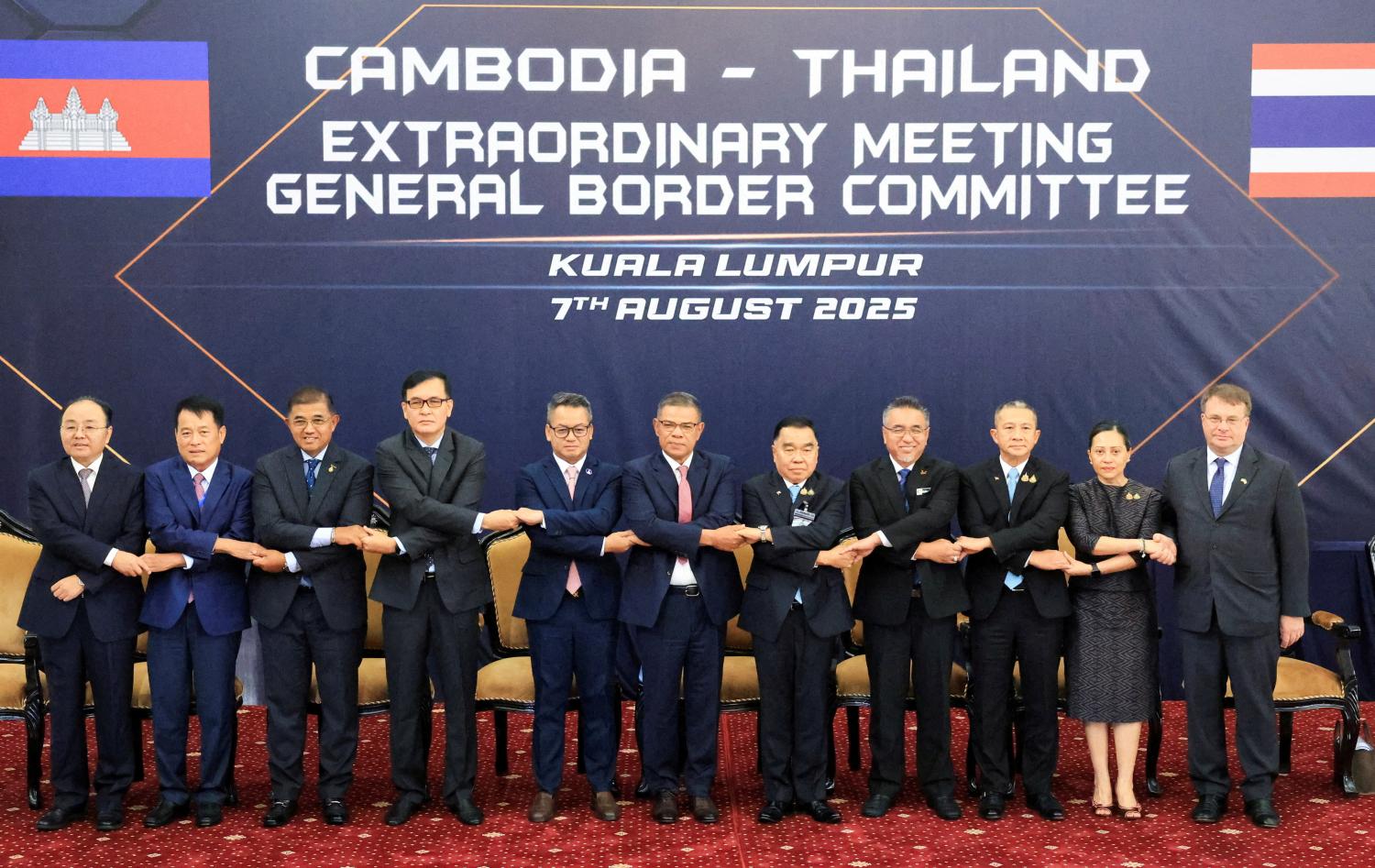
Oped, Thitinan Pongsudhirak, Published on 15/08/2025
» The border dispute and consequent military conflict between Cambodia and Thailand in recent weeks have become Asean's worst crisis in its 58 years of existence. Ironically, it was an intra-regional war between Indonesia and Malaysia that gave rise to Asean in 1967, but now an intra-Asean military clash is undermining the Southeast Asian organisation's core reason for being and its main claim to credibility and prominence. Unless Asean, under Malaysia as its rotational chair this year, moves fast to contain the bilateral dispute and reinforce a delicate ceasefire agreement, Southeast Asia will be looked upon increasingly as a region and less as an organisation of member states.

Defusing Thai-Cambodian border row
Oped, Thitinan Pongsudhirak, Published on 13/06/2025
» At issue in the ongoing border standoff between the Thai and Cambodian armed forces is timing and circumstance. In less than two weeks, a seemingly minor border skirmish intensified into a full-scale military confrontation. What is being overlooked in the thick of mutual antagonism and ultranationalism on both sides is when and how the current round of confrontation transpired. Getting its origins right is crucial to finding ways and means for conflict resolution.

Thailand lags in the global trade war
Oped, Thitinan Pongsudhirak, Published on 11/04/2025
» Thailand is fast isolating itself from the international community and falling behind in the emerging geoeconomic warfare to the detriment of its economy and people. The elected government of Prime Minister Paetongtarn Shinawatra is ironically coming up with outcomes that resemble those of the military administration a decade ago. Thailand must now move quickly to contain policy damage and restore its international standing to navigate and come out of the intensifying geoeconomic war in as decent a shape as possible.

Thaksin's return and 2025 prospects
Oped, Thitinan Pongsudhirak, Published on 03/01/2025
» Thailand's political environment last year was marked by machinations to keep the biggest election winner, the Move Forward Party, from power and to ensure the runner-up, the Pheu Thai Party, leads a coalition government the old guard can put up with. These manoeuvres after the May 2023 poll, initially forced Move Forward into the opposition and ultimately dissolved the party while bringing Thaksin Shinawatra back from self-exile in August 2023 for a perfunctory jail sentence and installing Srettha Thavisin as prime minister over the same period.