



Showing 1 - 7 of 7
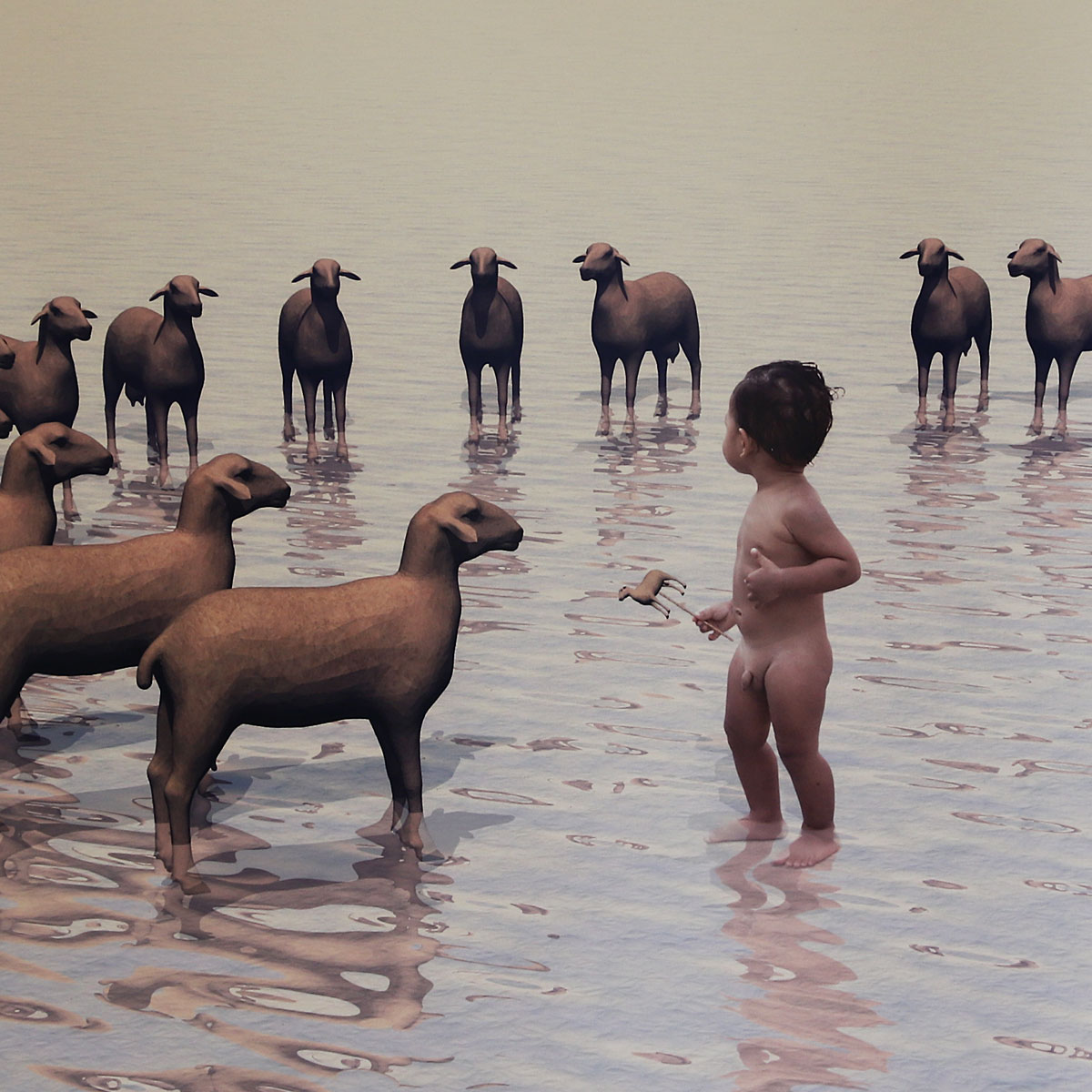
The triality of light
Life, Suwitcha Chaiyong, Published on 27/08/2025
» In today's digital age and AI technology, impossible photographs become more common. However, back in the 1980s, 1990s and 2000s when technology was not as advanced, creating artistic photographs was a huge challenge.

An invasive threat
Life, Suwitcha Chaiyong, Published on 05/08/2024
» Blackchin tilapia was imported from Ghana in 2010 by CP Foods (CPF) with a permit for research in Samut Songkhram. CPF claimed that it terminated its research in January 2011 and had sent sample blackchin tilapias in bottles of formalin to the Department of Fisheries.

Beyond the Buddha
Life, Suwitcha Chaiyong, Published on 01/05/2024
» As a traveller and photographer, Kamthorn Paowattanasuk enjoys visiting temples. While most people like to take photos at famous spots or with well-known sculptures, Kamthorn is interested in temple structures repaired using substitute materials. For example, what used to be a sermon hall made from wood was replaced with cement because wood is too expensive. In another temple, wooden handrails in an ordination hall and the temple gates were replaced with alloy.

Treat heroes like heroes
Life, Suwitcha Chaiyong, Published on 19/07/2021
» Volunteer firefighter, Kornsith Laophan, 18, was killed in the July 5 explosion at the Ming Dih Chemical factory in Samut Prakan.

Waste not, want not
Life, Suwitcha Chaiyong, Published on 26/10/2020
» Thailand has become one of the world's largest garbage dumps after China banned waste imports, including electronics and plastics, from foreign countries in 2017. As a result, waste from many countries that was originally shipped to China is now being redirected to countries in Southeast Asia where strict environmental laws are not enforced.

Taking on an ocean of waste
Life, Suwitcha Chaiyong, Published on 29/07/2019
» Debris, plastic bags, plastic bottles, straws. These are things that should never end up in the stomach of a sea creature. Yet this is a depressingly common occurrence, as veterinarian Weerapong Laovechprasit has discovered in his work at the Department of Marine and Coastal Resources. The autopsies he has conducted have turned up rope, Styrofoam, coins and worse. The huge quantities of waste in the oceans is proving fatal to creatures both great and small: sea turtles, dolphins, even whales.
Marine life drowning in a sea of debris
Life, Suwitcha Chaiyong, Published on 08/07/2019
» Three Bryde's whales were recently founded dead in the Gulf of Thailand in Samut Prakan, Chumphon and Surat Thani. After autopsies, the director of the Marine and Coastal Resources Research and Development Centre, the Central Gulf of Thailand found that fishing gear and marine debris were among the major causes of death. These endangered species must have come to the surface of the sea to breathe, getting themselves injured by fishing gear such as nets. Marine debris also troubled the whales' digestive systems, causing them to become sick, grow weak and die.