



Showing 1 - 10 of 52

Ministry of pests
Life, Suthon Sukphisit, Published on 03/08/2020
» I find it very hard to believe that the Ministry of Industry has listed 13 widely used herbal plants -- citronella grass, neem, turmeric, ginger, Chinese ginger, African marigold, Siam weed or bitter bush, tea seed cake, chilli, Chinese celery, ringworm bush, glory lily and stemona -- as hazardous substances.
The pros and cons of eating out
B Magazine, Suthon Sukphisit, Published on 18/08/2019
» I am often asked which one is better and cheaper -- cooking at home or eating out. Some people are wondering why food shops and noodle shops sell the same dishes at different prices. In the meantime, many are figuring out the operating cost of restaurants to compare with the cost of home cooking.

Food for thought
B Magazine, Suthon Sukphisit, Published on 11/08/2019
» Designing a good kitchen is a tricky task that requires a lot of thought and planning. Kitchens in modern housing, however, often seem to be something of an afterthought.

Yearning to breathe different air
B Magazine, Suthon Sukphisit, Published on 04/08/2019
» After living for long enough in the big city, one can fall in love easily with the fresh air, serenity of surroundings and simple but rich culture of people in the countryside. Some can feel tempted to live the rest of their lives away from Bangkok.

Troubled waters
B Magazine, Suthon Sukphisit, Published on 28/07/2019
» When it rains in Bangkok, it pours. And roads and sois quickly become flooded with foul-smelling, blackish water with oil shimmering on the surface. Many may wonder where such filthy water comes from.

Sweet success
B Magazine, Suthon Sukphisit, Published on 21/07/2019
» Sugar is indispensable to Thai cuisine. Granular sugar is widely used in the present day but sugars made from sugar palm or coconut trees or sugarcane are still as suitable for traditional Thai dishes and sweets as ever.

Eating the way it used to be
B Magazine, Suthon Sukphisit, Published on 14/07/2019
» Bangkok is full of places where you can go to eat. There are food streets where diners can select dishes and varieties to suit their preferences. People can have meals at food centres in supermarkets or at restaurants in department stores or shopping malls. Besides that, they can dine at stand-alone food shops and eateries located on every corner of the city. There are no limitations at all when it comes to food and dining in Bangkok.

What is the secret to culinary success?
Suthon Sukphisit, Published on 07/07/2019
» Have you ever wondered why there are so many restaurants and food shops in Thailand? How do they create their dishes? How many different types of restaurants are there? Are all of them successful? How do the successful manage to maintain their popularity?

The lotus eaters
B Magazine, Suthon Sukphisit, Published on 16/06/2019
» The lotus flower may be small in size, but culturally, it holds great significance for Thais and Buddhists around the world. The lotus, a plant that emerges from mud and rises above water, is a symbol of purity. Symbolically, it cleanses and purifies. Buddhists use lotus flowers as offerings to convey their sincere respect for monks and venerated figures in Buddhism.
An acquired taste
B Magazine, Suthon Sukphisit, Published on 09/06/2019
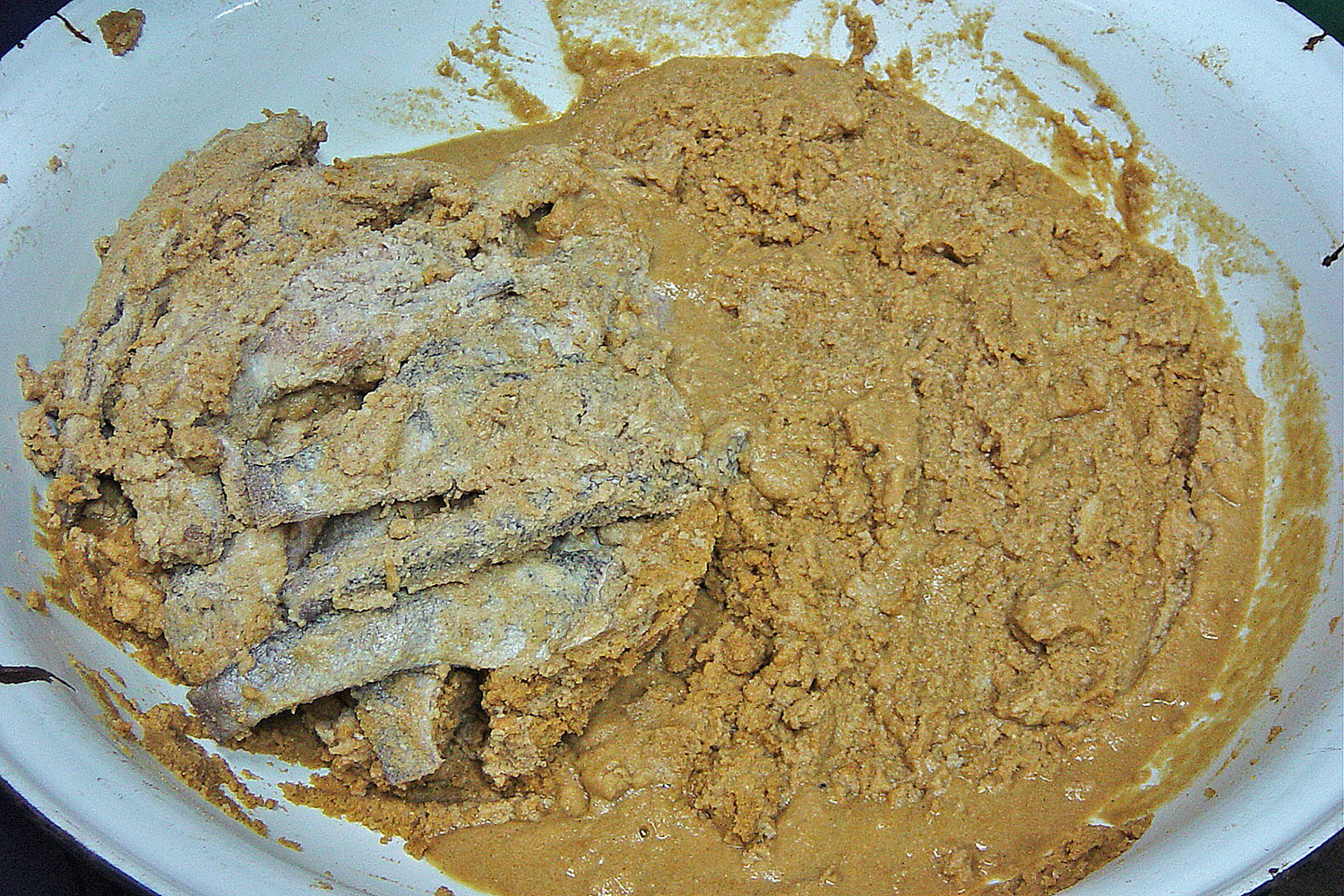
» Pla ra (fermented fish) is a big part of Thai cuisine. Thais, like Mon, Cambodians and Vietnamese, have a long tradition of eating fermented fish. In Isan, people traditionally make their own pla ra. And when children there are old enough to eat solid food, the first thing their parents usually feed them is freshly-steamed glutinous rice dipped in pla ra.