



Showing 1 - 10 of 36

Sweet success
B Magazine, Suthon Sukphisit, Published on 21/07/2019
» Sugar is indispensable to Thai cuisine. Granular sugar is widely used in the present day but sugars made from sugar palm or coconut trees or sugarcane are still as suitable for traditional Thai dishes and sweets as ever.

Eating the way it used to be
B Magazine, Suthon Sukphisit, Published on 14/07/2019
» Bangkok is full of places where you can go to eat. There are food streets where diners can select dishes and varieties to suit their preferences. People can have meals at food centres in supermarkets or at restaurants in department stores or shopping malls. Besides that, they can dine at stand-alone food shops and eateries located on every corner of the city. There are no limitations at all when it comes to food and dining in Bangkok.

Unknown pleasures
B Magazine, Suthon Sukphisit, Published on 30/06/2019
» Culture Minister Vira Rojpojchanarat said his ministry will seek to have tom yum goong (spicy prawn soup) listed by Unesco as part of the country's tangible cultural heritage. That the ministry is giving some attention to Thai food culture makes for a welcome, and somewhat surprising, change.

Prices up, quality down
B Magazine, Suthon Sukphisit, Published on 23/06/2019
» Of late, news reports state that vegetable prices are rising. This must be true. Three months ago I could buy some coriander and spring onion with 5 baht. But a few days ago, I had to pay 10 baht for a lesser amount of the same veggies. Not only are coriander and spring onion going up, but so are prices of other vegetables.

The lotus eaters
B Magazine, Suthon Sukphisit, Published on 16/06/2019
» The lotus flower may be small in size, but culturally, it holds great significance for Thais and Buddhists around the world. The lotus, a plant that emerges from mud and rises above water, is a symbol of purity. Symbolically, it cleanses and purifies. Buddhists use lotus flowers as offerings to convey their sincere respect for monks and venerated figures in Buddhism.
An acquired taste
B Magazine, Suthon Sukphisit, Published on 09/06/2019
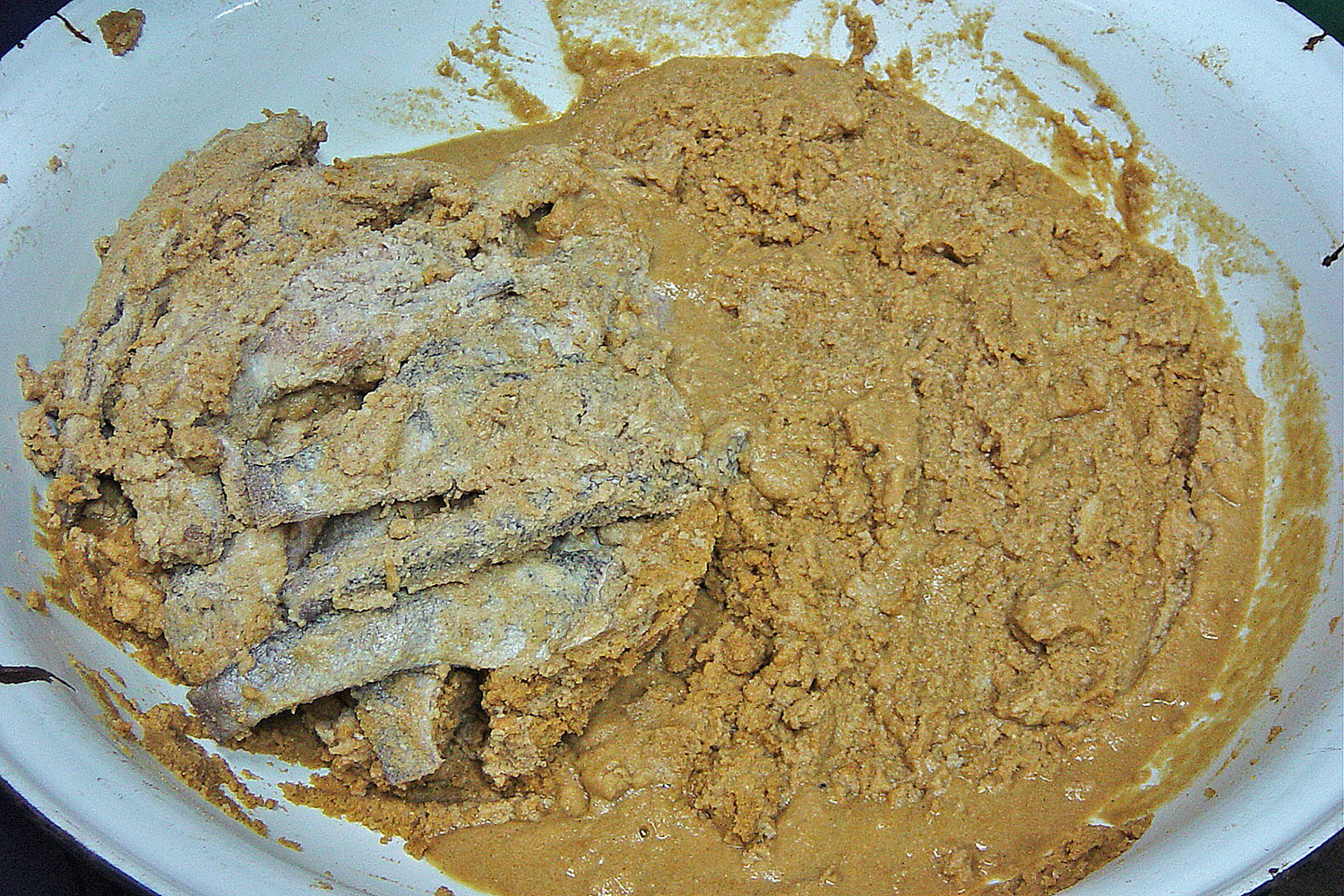
» Pla ra (fermented fish) is a big part of Thai cuisine. Thais, like Mon, Cambodians and Vietnamese, have a long tradition of eating fermented fish. In Isan, people traditionally make their own pla ra. And when children there are old enough to eat solid food, the first thing their parents usually feed them is freshly-steamed glutinous rice dipped in pla ra.

Oodles of noodles
B Magazine, Suthon Sukphisit, Published on 02/06/2019
» I reckon Thailand has more varieties of noodle dishes and more noodle shops than any other country. This is because noodles are a favourite dish for all. You can find noodle shops everywhere. They are inexpensive and so fast to prepare. Furthermore, eaters can add seasoning to flavour their own bowl.

Some things never change
B Magazine, Suthon Sukphisit, Published on 12/05/2019
» Coming across a dish long thought to have disappeared is thrilling. Not only does it revive memories of times past but it also raises hopes that history and culture are being preserved.

A family's pride
Life, Suthon Sukphisit, Published on 21/04/2019
» In the old days, when it came to food-related social structure in rural areas, cooking was the responsibility of housewives who inherited their cooking skills and know-how from their mothers.

Slippery knowledge
B Magazine, Suthon Sukphisit, Published on 07/04/2019
» The cooking-oil industry is like an ongoing battle between various types of oils -- palm, soybean, corn, sunflower, rice-bran, canola and olive. Getting more and more serious every day, the oil war doesn't seem to have a winner or loser when it comes to benefits. Each has its own scientific studies and research as reference to underline advantages or otherwise.