



Showing 1 - 10 of 20
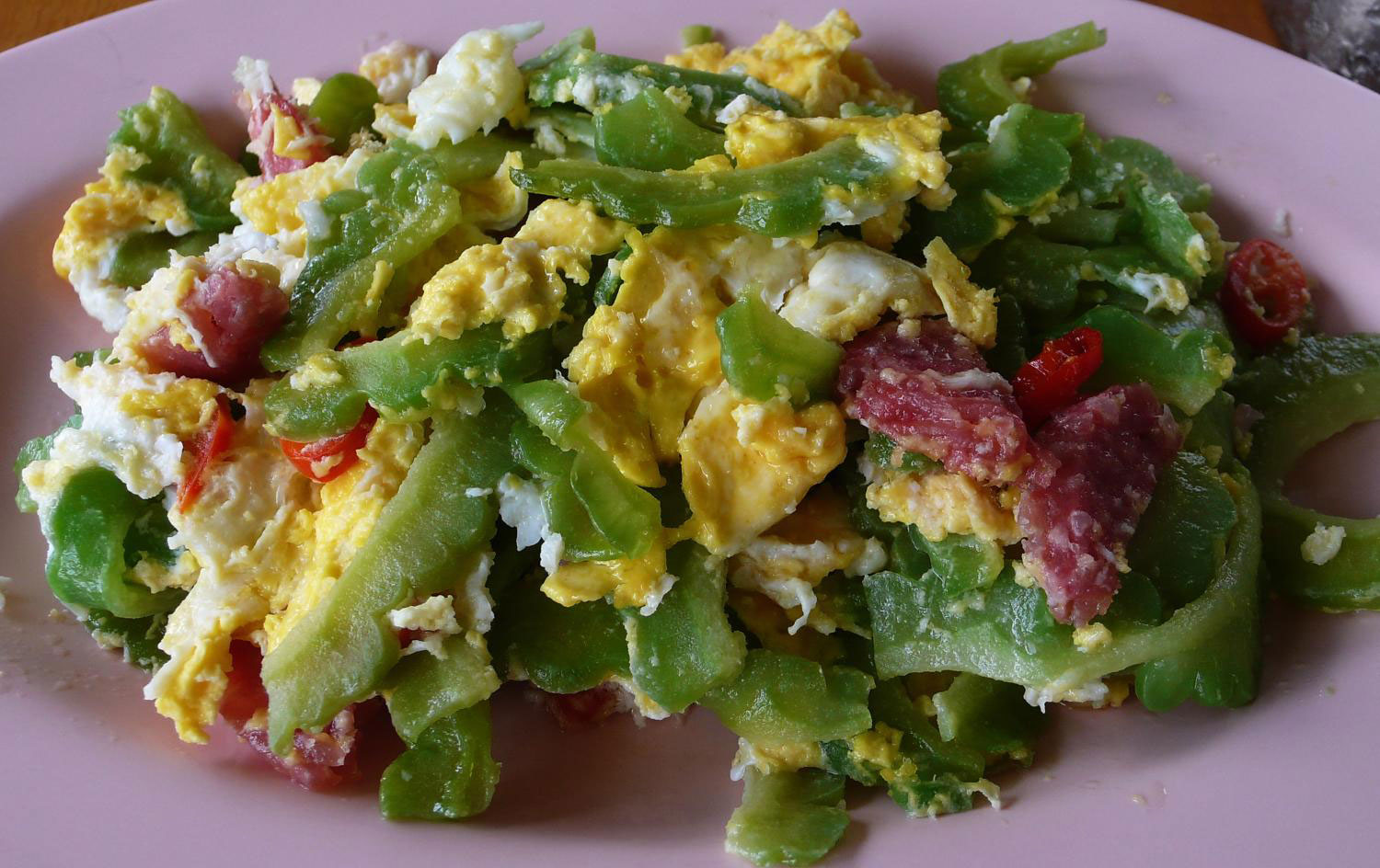
The pros and cons of eating out
B Magazine, Suthon Sukphisit, Published on 18/08/2019
» I am often asked which one is better and cheaper -- cooking at home or eating out. Some people are wondering why food shops and noodle shops sell the same dishes at different prices. In the meantime, many are figuring out the operating cost of restaurants to compare with the cost of home cooking.

Sweet success
B Magazine, Suthon Sukphisit, Published on 21/07/2019
» Sugar is indispensable to Thai cuisine. Granular sugar is widely used in the present day but sugars made from sugar palm or coconut trees or sugarcane are still as suitable for traditional Thai dishes and sweets as ever.

What is the secret to culinary success?
Suthon Sukphisit, Published on 07/07/2019
» Have you ever wondered why there are so many restaurants and food shops in Thailand? How do they create their dishes? How many different types of restaurants are there? Are all of them successful? How do the successful manage to maintain their popularity?
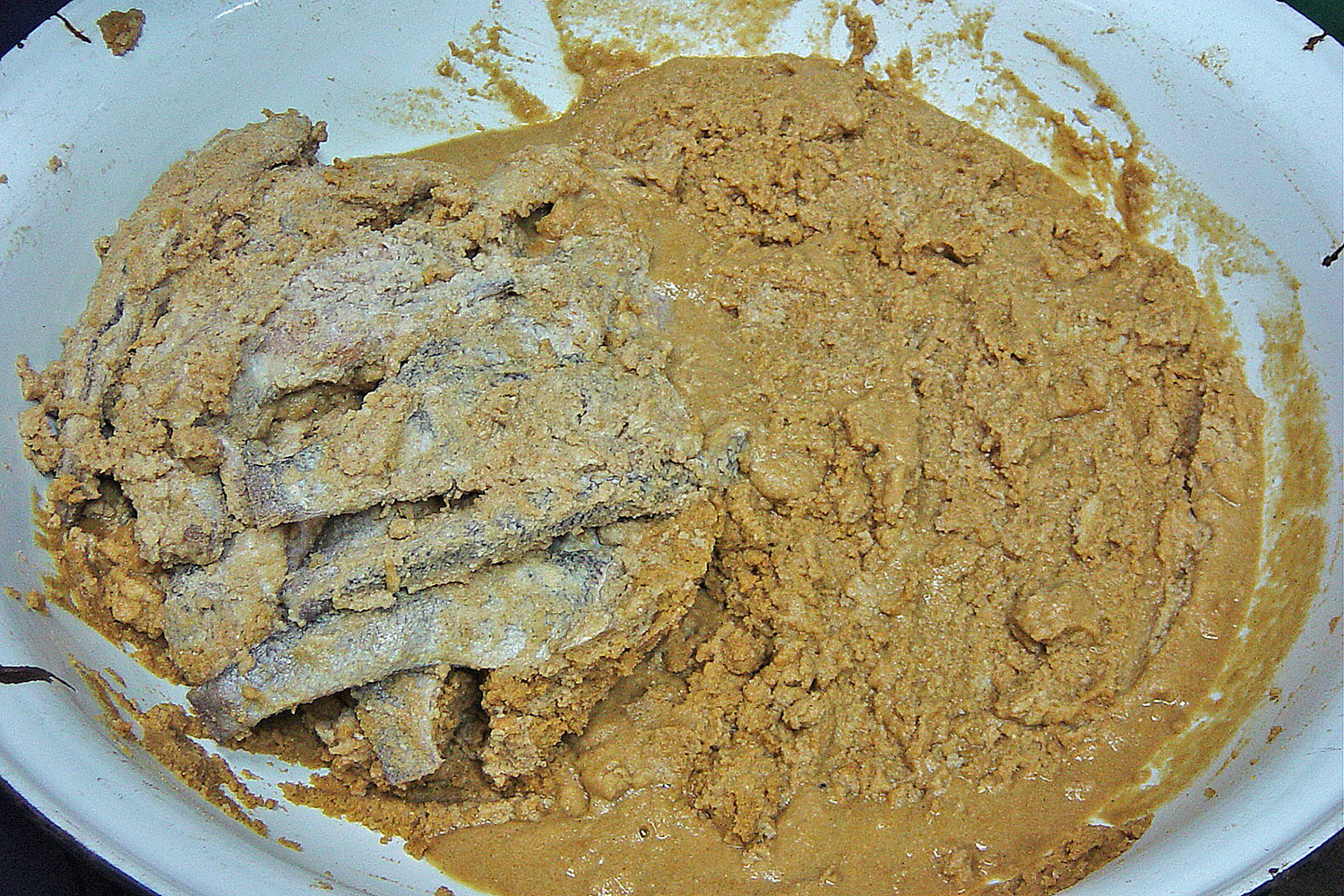
An acquired taste
B Magazine, Suthon Sukphisit, Published on 09/06/2019
» Pla ra (fermented fish) is a big part of Thai cuisine. Thais, like Mon, Cambodians and Vietnamese, have a long tradition of eating fermented fish. In Isan, people traditionally make their own pla ra. And when children there are old enough to eat solid food, the first thing their parents usually feed them is freshly-steamed glutinous rice dipped in pla ra.
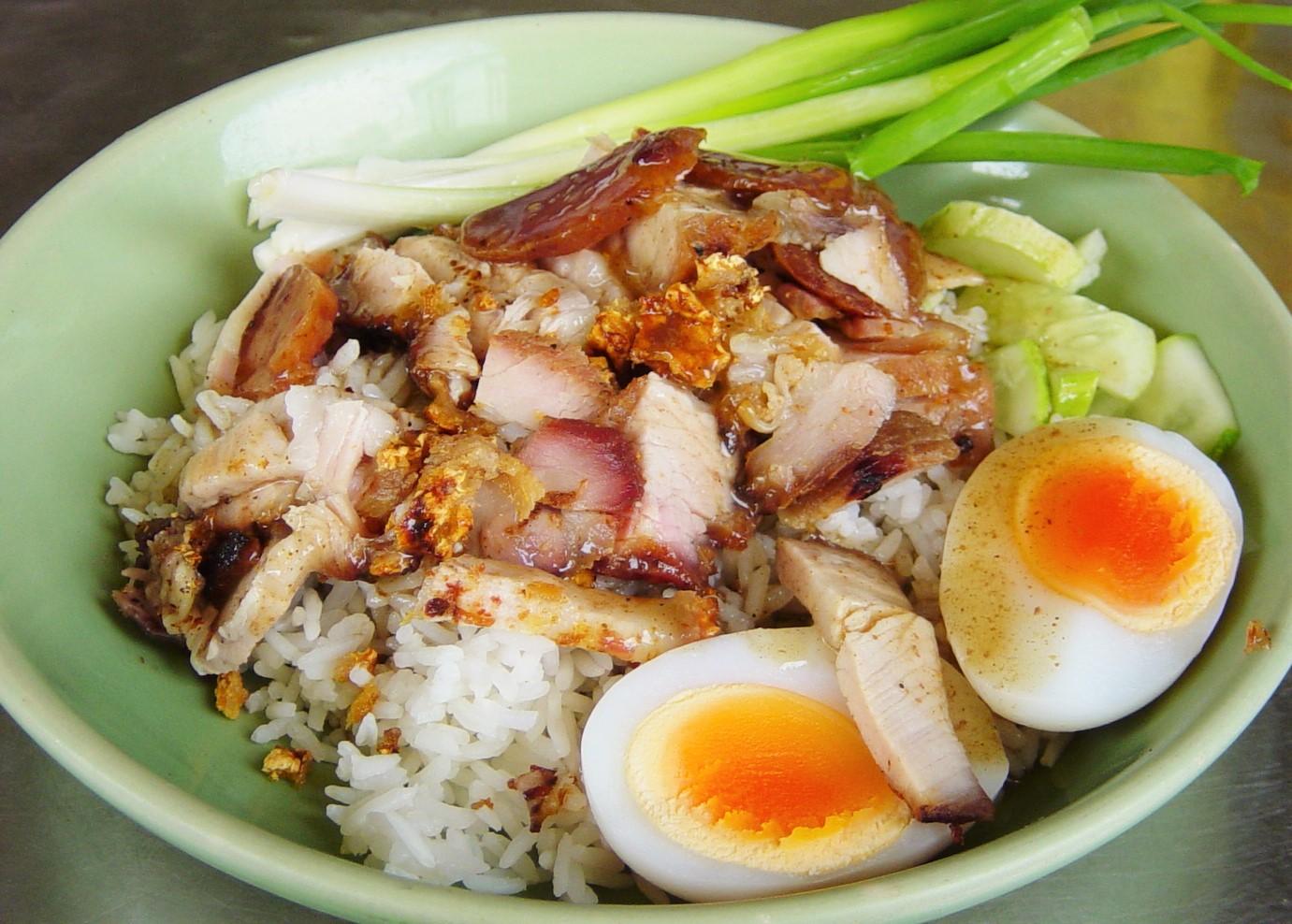
The non-national national dish
B Magazine, Suthon Sukphisit, Published on 26/05/2019
» Chinese food served in Thailand can be divided by Chinese language groups. The Cantonese specialise in roasted and grilled dishes such as roast duck, grilled pork, bamee moo daeng (noodle with red pork), and bamee rad na naw mai (noodle topped with bamboo shoots in gravy). Hakka Chinese are very good at preparing noodles served with pork balls and tofu balls. The Hainanese are famous for khao man gai (Hainanese chicken rice) and stewed mutton while the Suchow Chinese (Teochew) are experts in boiled and stir-fried foods.

To catch a school of mullets
B Magazine, Suthon Sukphisit, Published on 19/05/2019
» A new method to catch mullets has been widely circulated via YouTube. The person who invented this technique said it's for fun and he is planning to make this fishing tool for sale to fishing enthusiasts.

Smokin' hot
B Magazine, Suthon Sukphisit, Published on 14/04/2019
» Nowadays people rely mostly on stoves fuelled by liquefied petroleum gas (LPG) when they cook. But more traditional methods like charcoal shouldn't be overlooked. For certain dishes, charcoal remains the best option.

Slippery knowledge
B Magazine, Suthon Sukphisit, Published on 07/04/2019
» The cooking-oil industry is like an ongoing battle between various types of oils -- palm, soybean, corn, sunflower, rice-bran, canola and olive. Getting more and more serious every day, the oil war doesn't seem to have a winner or loser when it comes to benefits. Each has its own scientific studies and research as reference to underline advantages or otherwise.
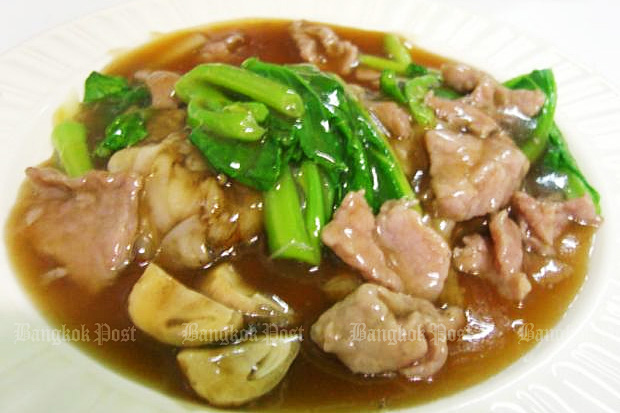
Don't have a cow, man
B Magazine, Suthon Sukphisit, Published on 06/01/2019
» Today, people aren't eating as much beef as they used to. There are many reasons for this. Some feel cows are noble creatures that help and live with farmers, and it would be a pity to eat them. Some feel that beef is too expensive, up to twice the price of pork or three times the price of chicken. It's tougher to chew and digest. If you worship Ganesh or Guan Yin, it's a sin to eat beef.

Reading the leaves
B Magazine, Suthon Sukphisit, Published on 09/12/2018
» For desserts and other food to taste great, it's not only about the flavour. The smell is another important factor in making food all the more tasty. A lot of Thai food relies on smell, which mostly comes from leaves. Try imagining Thai food without kaffir lime leaves, basil, tamarind leaves or cha-om leaves. Now what would everything taste like?