



Showing 1 - 10 of 12
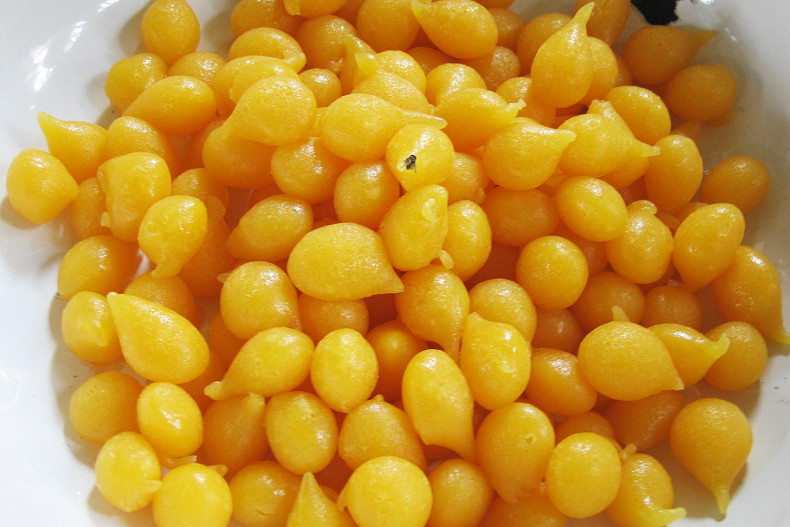
Sweet success
B Magazine, Suthon Sukphisit, Published on 21/07/2019
» Sugar is indispensable to Thai cuisine. Granular sugar is widely used in the present day but sugars made from sugar palm or coconut trees or sugarcane are still as suitable for traditional Thai dishes and sweets as ever.
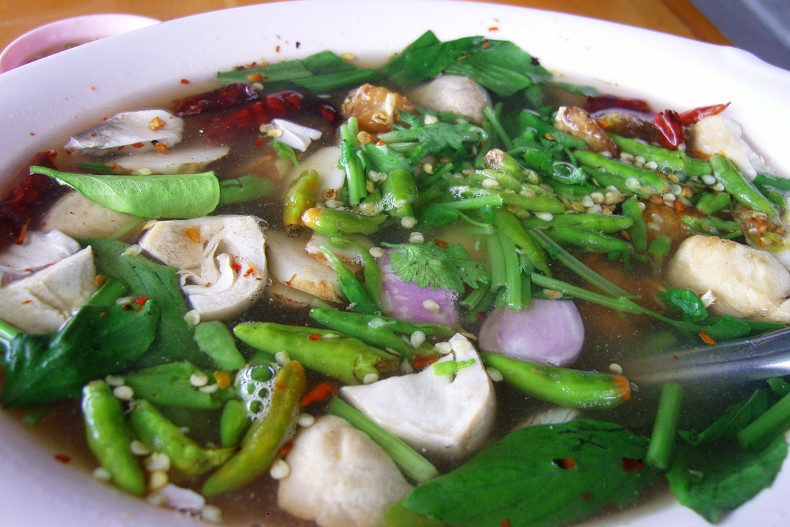
Unknown pleasures
B Magazine, Suthon Sukphisit, Published on 30/06/2019
» Culture Minister Vira Rojpojchanarat said his ministry will seek to have tom yum goong (spicy prawn soup) listed by Unesco as part of the country's tangible cultural heritage. That the ministry is giving some attention to Thai food culture makes for a welcome, and somewhat surprising, change.
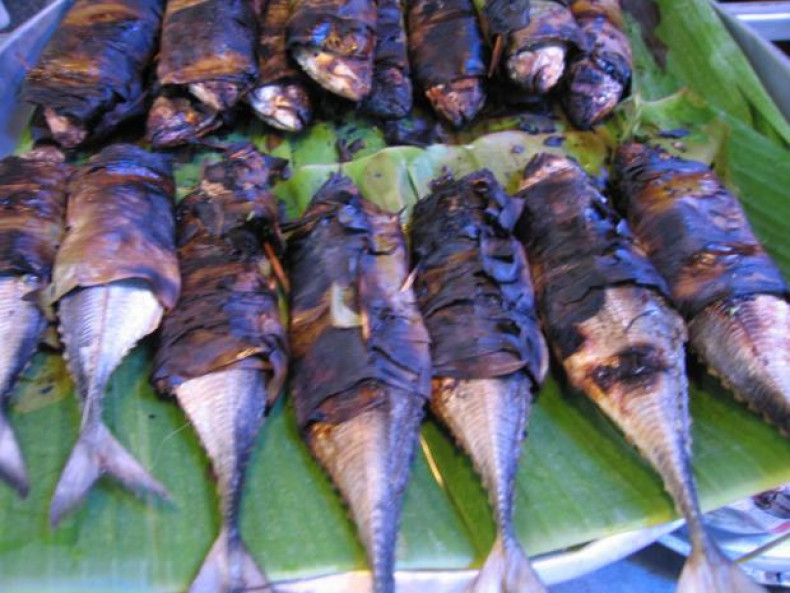
Smokin' hot
B Magazine, Suthon Sukphisit, Published on 14/04/2019
» Nowadays people rely mostly on stoves fuelled by liquefied petroleum gas (LPG) when they cook. But more traditional methods like charcoal shouldn't be overlooked. For certain dishes, charcoal remains the best option.
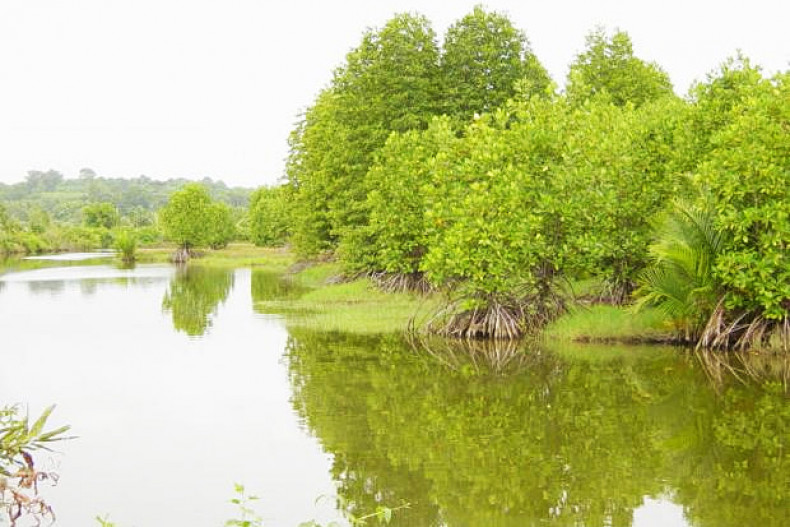
Water way to go
B Magazine, Suthon Sukphisit, Published on 03/03/2019
» There was once a time in Thailand when the population was small and the waters were full of life. Today, the country has nearly 70 million people, but the number of marine creatures is decreasing all the time. In the past, people had respect for the seas, lakes, rivers and their inhabitants. We are not so conscientious anymore. There isn't enough concern about what our activities could mean for the future.
Spice as religion
B Magazine, Suthon Sukphisit, Published on 24/02/2019
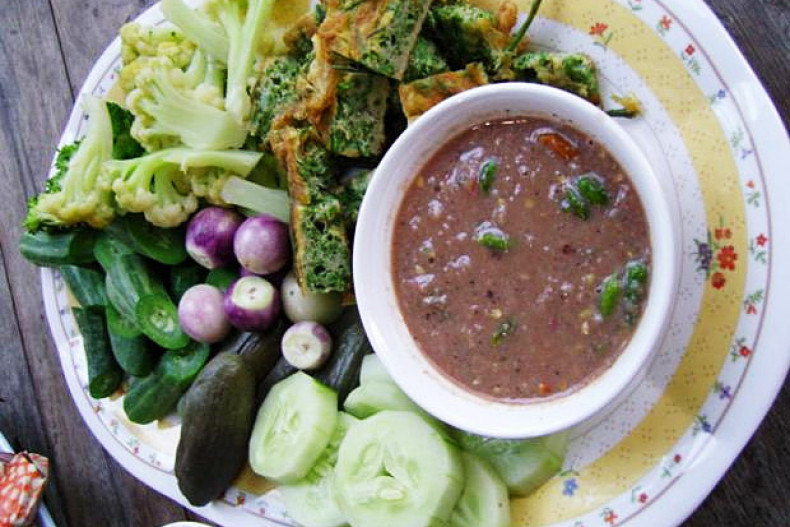
» An old Thai national dish that will continue to excite palates long into the future is nam prik -- or spicy dip. Every region in Thailand has its nam prik with its own unique characteristics. It can be consumed daily and it's affordable. It's quite nutritious, too, despite some seasoning to spice up the flavours.
'Tis the seasoning
B Magazine, Suthon Sukphisit, Published on 30/12/2018
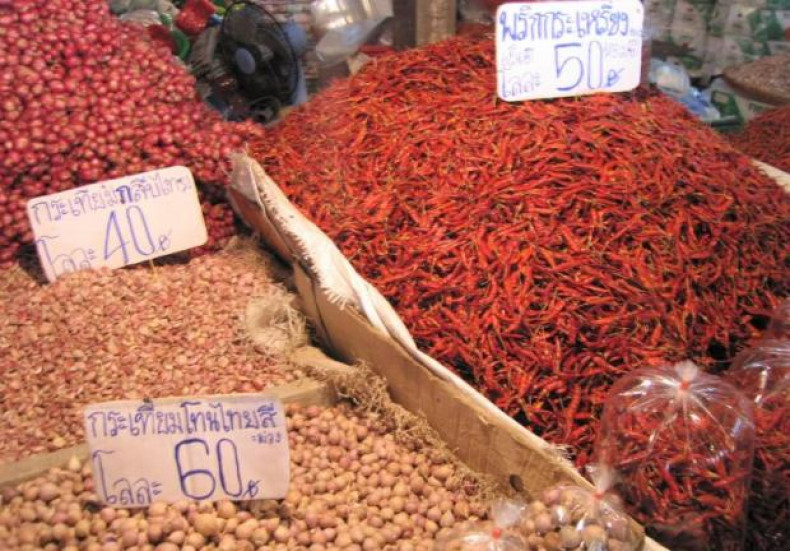
» Most people who like to cook will also like to have their kitchen spacious, well-lit, airy and filled with all necessary utensils, a big fridge and a big cupboard for all those seasonings.
Local wisdom
B Magazine, Suthon Sukphisit, Published on 23/12/2018
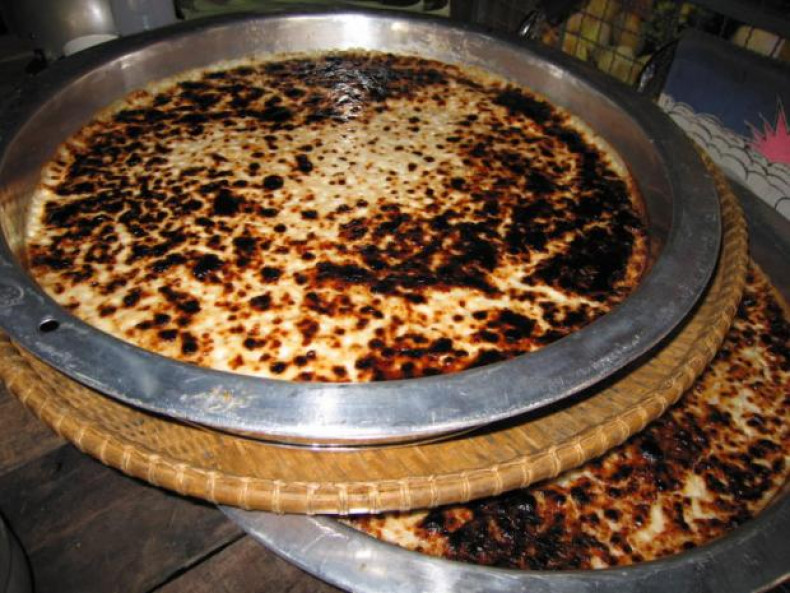
» Let's have a look at some regional food that is representative of different regions. Nasi dagang is a speciality in the three southernmost provinces of Pattani, Narathiwat and Yala. It consists of rice cooked in coconut milk, with salt, sugar, cumin, fenugreek, ginger and shallots. This type of rice is suitable for fish curry and chicken curry. In the past, it was typically reserved for important occasions, but now it's considered part of the regular cuisine.
Faraway foraging
B Magazine, Suthon Sukphisit, Published on 18/11/2018
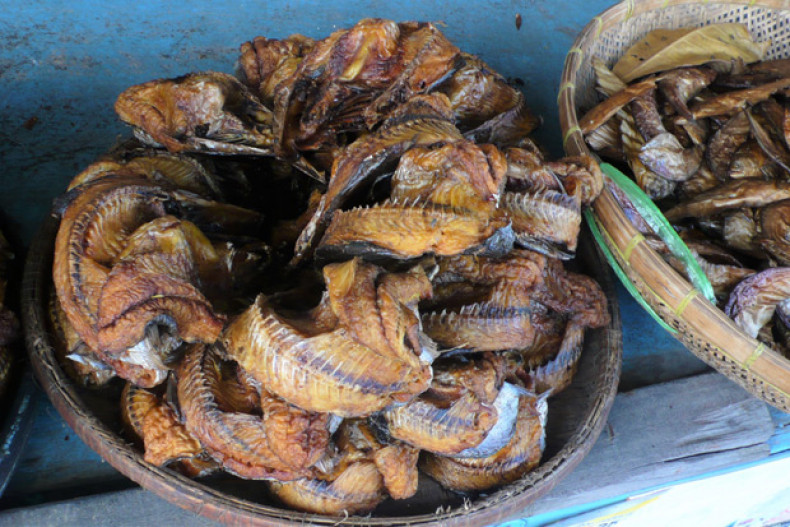
» When you go to Ang Thong province, you have to try the phadช Thai at Wat Khong Khoong. Or the grilled snakehead fish at the Chao Plook junction. If you go to Ratchaburi, you have to try all kinds of dishes at Fah Sai restaurant, neua tom (boiled beef) at Baan Singh. If you go to the Pran Buri river mouth in Prachuap Khiri Khan, then the seafood at Udom Pochanakarn is a must. To try the seafood at Klong Khon in Samut Songkhram, you must do so at Gaysorn restaurant. Going for seafood at Bang Taboon in Baan Laem, Phetchaburi, you have to do so at Lare Lay and Rub Lom restaurants.

Authentic opportunities
B Magazine, Suthon Sukphisit, Published on 11/11/2018
» Many people would be surprised to see so many à la carte restaurants, noodle shops, Isan-food eateries, shops selling rice and side dishes, and food vendors outside fresh markets in Bangkok. They are countless, and seem to be ever increasing.
The costs of eating free
B Magazine, Suthon Sukphisit, Published on 03/06/2018
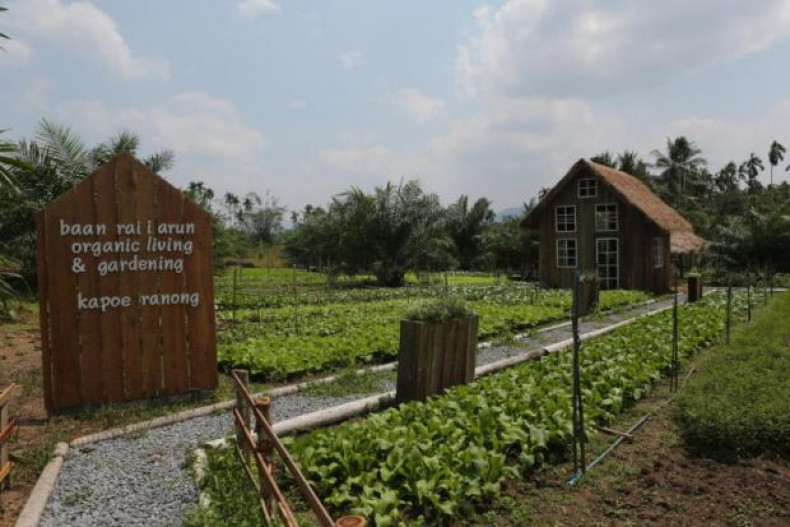
» In the Kapoe district of Ranong province, one can find the charming Baan Rai I Arun -- a small, cottage-style resort built from lumber and bamboo directly harvested from the area. Inside, the resort is fitted with a classy array of rustic furniture. Outside, it is surrounded by a garden with mountains in the background, making it feel pleasantly faraway from life beyond the resort.