



Showing 1 - 6 of 6

Climate change discourse takes a new turn
Oped, Bjorn Lomborg, Published on 09/02/2026
» What a difference a single year makes. The once-dominant push to radically reshape society to avert climate catastrophe has collapsed. Look at Davos -- the talkfest long dominated by climate advocacy. That consensus has been abandoned by its once strongest proponents.
How to help the world's poor most effectively
News, Bjorn Lomborg, Published on 22/12/2025
» As 2025 draws to a close, it's natural to turn our thoughts to the good we can do in the coming year -- not just for our families and communities, but for the world at large. The holidays are a moment not just for personal resolutions but for asking a bigger question: how can we help the world's poor as effectively as possible?
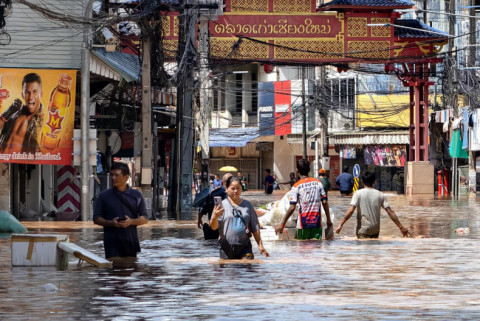
Thailand should chart its own path on climate
News, Bjorn Lomborg, Published on 14/06/2025
» In recent years, climate anxiety has taken over many Western governments and most international organisations. The result has been ruinous policies that help little but undermine future prosperity needed to deal with a host of other problems. Fortunately, Thailand can avoid repeating these mistakes.
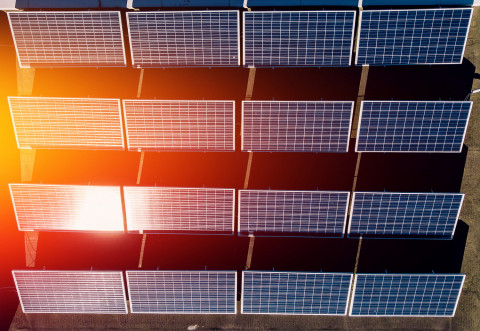
Green energy has become a pricey delusion
Oped, Bjorn Lomborg, Published on 13/05/2025
» Ask families in Germany and the UK what happens when more and more supposedly cheap solar and wind power is added to the national power mix, and they can tell you by looking at their utility bills: it gets far more expensive. This goes against everything that we're being told. Green energy is supposed to be incredibly cheap. But we're not hearing the real story.

Rich world raids development funds for climate
Oped, Bjorn Lomborg, Published on 27/01/2024
» Too many rich-world politicians and climate campaigners forget that much of the world remains mired in poverty and hunger. Yet, rich countries are increasingly replacing their development aid with climate spending. The World Bank, whose primary goal is to help people out of poverty, has now announced it will divert 45% of its funding toward climate change, shifting some US$40 billion annually away from poverty and hunger.
Time for a new 'green revolution'
Oped, Bjorn Lomborg, Published on 24/02/2023
» One of humanity's biggest achievements in the last century was making a huge increase in food production. From 1900 to 2000, there was a six-fold jump in crop harvests while the global population increased less than four-fold, meaning that on average people today have around 50% more food available than their great, great grandparents.