



Showing 1 - 10 of 11
Climate change discourse takes a new turn
Oped, Bjorn Lomborg, Published on 09/02/2026
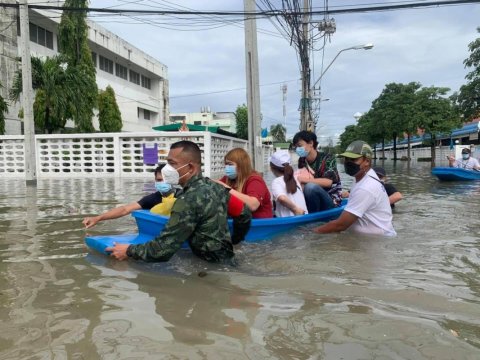
» What a difference a single year makes. The once-dominant push to radically reshape society to avert climate catastrophe has collapsed. Look at Davos -- the talkfest long dominated by climate advocacy. That consensus has been abandoned by its once strongest proponents.
Climate hysteria in the media has really got to stop
News, Bjorn Lomborg, Published on 14/10/2025
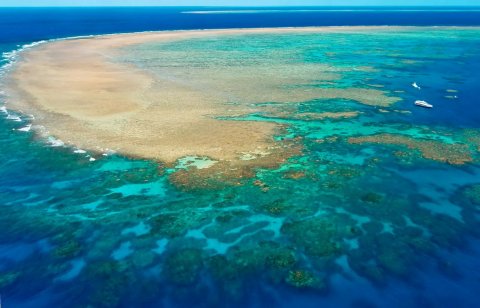
» Reading the news, you would believe that the Great Barrier Reef -- the aquatic wonder off Australia's coast -- is on its deathbed, bleached beyond recognition by climate change. Recent headlines shouted in unison: "Great Barrier Reef suffers worst coral decline on record." Environmental journalists are in panic mode about irreversible damage. This is advocacy campaigning, not impartial reporting.

The high cost of cutting funding for vaccines
Oped, Bjorn Lomborg, Published on 04/09/2025
» Vaccines are a vital tool that save millions of lives every year. Concerningly, the US government wants to cut funding for a key organisation that saves lives around the world through immunisation. And amid vaccine safety debates, the world is seeing rising measles cases.
Environment on the up as world prospers
Oped, Bjorn Lomborg, Published on 22/04/2025
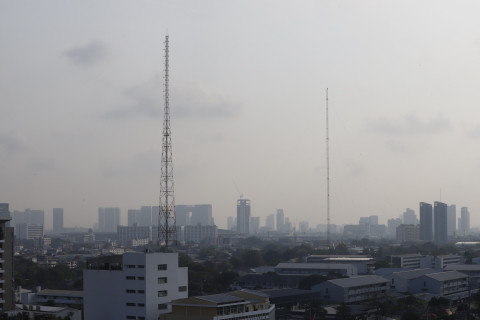
» As we celebrate Earth Day today, it's tempting to believe that the world is on the brink of environmental collapse. We are constantly inundated by dire predictions of climate catastrophe and warnings about the planet's imminent destruction. But this is misleading. Rather than panic, we should take a moment to appreciate the remarkable progress we've made in improving the environment -- and acknowledge that a key factor is prosperity.
What climate spending really costs the globe
Oped, Bjorn Lomborg, Published on 24/01/2025
» Across the world, public finances are stretched dangerously thin. Per person growth continues dropping while costs are climbing for pensions, education, healthcare, and defence. These urgent priorities could easily require an additional 3-6% of GDP. Yet green campaigners are loudly calling for governments to spend up to 25% of our GDP choking growth in the name of climate change.
The biggest killer you never considered
Oped, Bjorn Lomborg, Published on 28/06/2024
» Some of the world's big challenges get a lot of attention. Climate change, war and immigration are constantly in the news and receive large funding from states and private philanthropies. Other significant problems like tuberculosis and nutrition receive less airtime and awareness but count among major global priorities, with funding allocated.

COP28 won't admit real cost of net zero
News, Bjorn Lomborg, Published on 06/12/2023
» The spectacle of another annual climate conference is getting underway in Dubai. Like Kabuki theater, performative set pieces lead from one to the other: politicians and celebrities arrive by private jets; speakers predict imminent doom; hectoring NGOs cast blame; political negotiations become fraught and inevitably go overtime; and finally: the signing of a new agreement that participants hope and pretend will make a difference.

Why malaria still persists in much of Africa
News, Bjorn Lomborg, Published on 12/06/2023
» We think of malaria as a problem faced only by humid, hot countries. But just over a century ago, the disease thrived as far north as Siberia and the Arctic Circle, and was endemic in 36 states of the US. We don't have specific data that far back for Thailand, but back then, malaria is estimated to have killed 2.5 million people each year in the Western Pacific, Middle East and South Asia.
Time for a new 'green revolution'
Oped, Bjorn Lomborg, Published on 24/02/2023
» One of humanity's biggest achievements in the last century was making a huge increase in food production. From 1900 to 2000, there was a six-fold jump in crop harvests while the global population increased less than four-fold, meaning that on average people today have around 50% more food available than their great, great grandparents.
Reducing emissions not so easy
Oped, Bjorn Lomborg, Published on 10/11/2021
» At the UN Climate Summit in Glasgow (COP26), most leaders of rich nations are eagerly promising to decarbonise their economies by mid-century or even sooner. Yet, it is highly questionable if they and their successors will want or be able to keep their promise. Even worse, growth-reducing climate policies won't convince developing countries who need to lift their populations out of poverty and whose emissions matter most this century.