



Showing 1 - 10 of 11
How to help the world's poor most effectively
News, Bjorn Lomborg, Published on 22/12/2025
» As 2025 draws to a close, it's natural to turn our thoughts to the good we can do in the coming year -- not just for our families and communities, but for the world at large. The holidays are a moment not just for personal resolutions but for asking a bigger question: how can we help the world's poor as effectively as possible?
Climate hysteria in the media has really got to stop
News, Bjorn Lomborg, Published on 14/10/2025
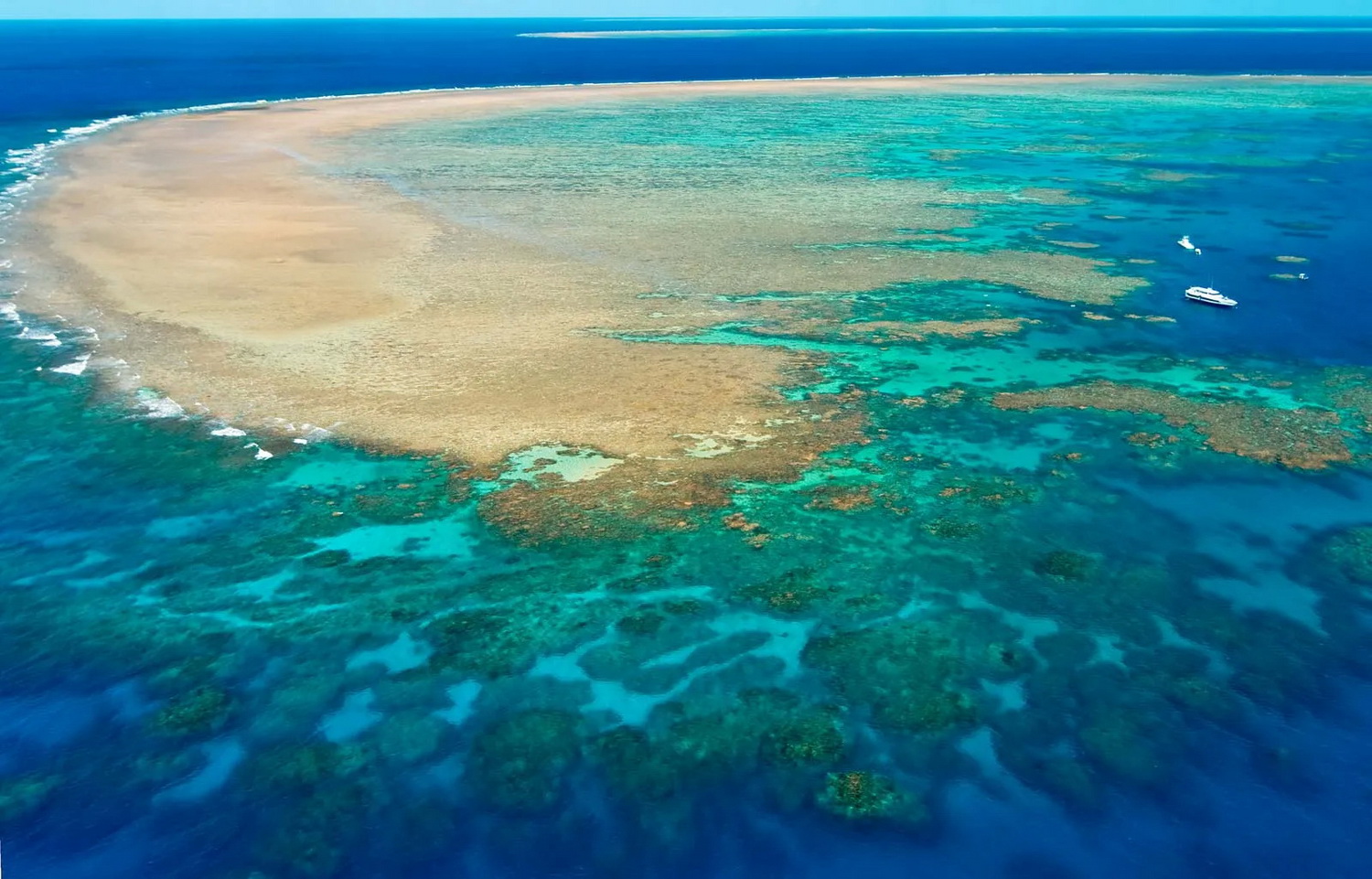
» Reading the news, you would believe that the Great Barrier Reef -- the aquatic wonder off Australia's coast -- is on its deathbed, bleached beyond recognition by climate change. Recent headlines shouted in unison: "Great Barrier Reef suffers worst coral decline on record." Environmental journalists are in panic mode about irreversible damage. This is advocacy campaigning, not impartial reporting.

Thailand should chart its own path on climate
News, Bjorn Lomborg, Published on 14/06/2025
» In recent years, climate anxiety has taken over many Western governments and most international organisations. The result has been ruinous policies that help little but undermine future prosperity needed to deal with a host of other problems. Fortunately, Thailand can avoid repeating these mistakes.

Environment on the up as world prospers
Oped, Bjorn Lomborg, Published on 22/04/2025
» As we celebrate Earth Day today, it's tempting to believe that the world is on the brink of environmental collapse. We are constantly inundated by dire predictions of climate catastrophe and warnings about the planet's imminent destruction. But this is misleading. Rather than panic, we should take a moment to appreciate the remarkable progress we've made in improving the environment -- and acknowledge that a key factor is prosperity.
Politicising novel solutions to climate change
News, Bjorn Lomborg, Published on 13/05/2024
» Climate studies are increasingly becoming politicised. Harvard University recently shut down a key geoengineering research project because of intense backlash, despite the college's aspiration to become "a global beacon for climate change."

Rich world raids development funds for climate
Oped, Bjorn Lomborg, Published on 27/01/2024
» Too many rich-world politicians and climate campaigners forget that much of the world remains mired in poverty and hunger. Yet, rich countries are increasingly replacing their development aid with climate spending. The World Bank, whose primary goal is to help people out of poverty, has now announced it will divert 45% of its funding toward climate change, shifting some US$40 billion annually away from poverty and hunger.

COP28 won't admit real cost of net zero
News, Bjorn Lomborg, Published on 06/12/2023
» The spectacle of another annual climate conference is getting underway in Dubai. Like Kabuki theater, performative set pieces lead from one to the other: politicians and celebrities arrive by private jets; speakers predict imminent doom; hectoring NGOs cast blame; political negotiations become fraught and inevitably go overtime; and finally: the signing of a new agreement that participants hope and pretend will make a difference.

Why malaria still persists in much of Africa
News, Bjorn Lomborg, Published on 12/06/2023
» We think of malaria as a problem faced only by humid, hot countries. But just over a century ago, the disease thrived as far north as Siberia and the Arctic Circle, and was endemic in 36 states of the US. We don't have specific data that far back for Thailand, but back then, malaria is estimated to have killed 2.5 million people each year in the Western Pacific, Middle East and South Asia.

Two education policies to make a difference
News, Bjorn Lomborg, Published on 15/05/2023
» One thing that taxpayers and politicians agree on practically everywhere is that more money should be spent on children's education. This seems like a no-brainer: better education means children get a better start in life. But we need to be careful. Many popular educational investments deliver little or no learning, while we rarely hear about the most effective investments.

The digital solution to corruption
News, Bjorn Lomborg, Published on 27/03/2023
» Corruption is an enormous, global challenge, likely costing more than $1 trillion annually, or $120 (4,000 baht) for every person in the world. World leaders have long promised to tamp down on corruption, but unfortunately, we're getting nowhere. Now, new research identifies a surprisingly straight-forward, cheap way to reduce corruption that can also make countries hundreds of millions or even billions of dollars.