




Showing 1 - 10 of 5,507
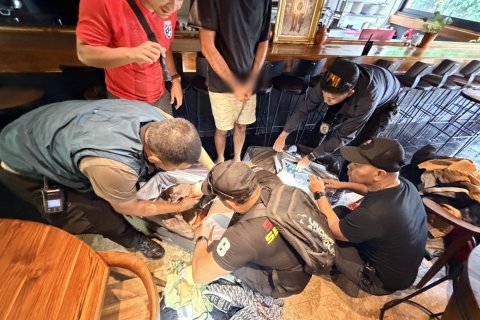
‘Biggest’ Israeli drug dealer on Koh Phangan arrested
Assawin Pakkawan, Published on 14/02/2026
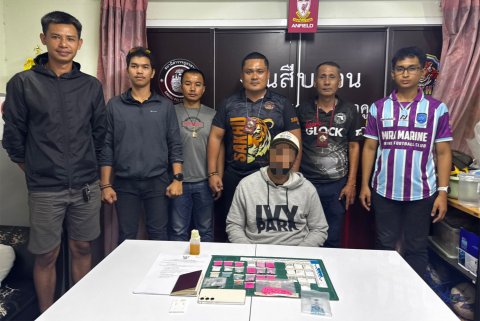
» SURAT THANI - A major Israeli drug dealer, who operated out of the restaurant he owned on Koh Phangan, was arrested on Friday with narcotics worth over 50 million baht seized, authorities said.
Economy tops public wish list
News, Published on 14/02/2026
» Addressing economic problems tops the public's wish list for a new government led by the Bhumjaithai Party, with measures to reduce the cost of living ranking highest among expectations, according to a KPI poll released yesterday.
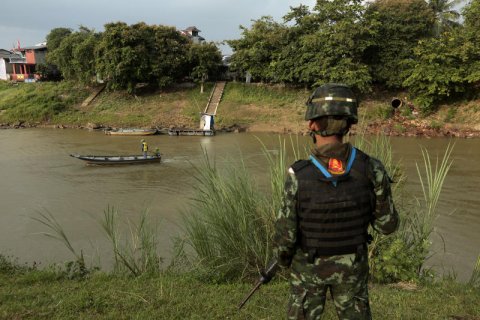
Malaysia fencing Thai border ‘rat routes’ with barbed wire
Online Reporters, Published on 13/02/2026
» Malaysia has started installing security wire at illegal passes along the river border opposite Narathiwat province in Thailand to tackle cross-border crimes.
Shorter visa-free stays on the cards
Business, Molpasorn Shoowong, Published on 12/02/2026
» The Tourism and Sports Ministry insists the government's plan to reduce visa‑free stays from 60 days should not impact tourism, as most foreign tourists on average stay for less than a month.
2.3m speed pills seized on Mekong river bank, smugglers flee
Online Reporters, Published on 11/02/2026
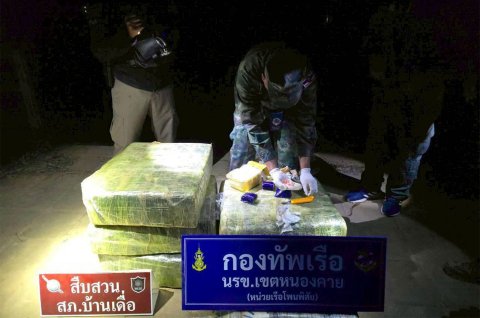
» A navy patrol seized about 2.3 million speed pills abandoned by fleeing smugglers on the banks of the Mekong River in Muang district of Nong Khai in the early hours of Wednesday.
Education anchors Thai Kao Mai policy
Published on 07/02/2026
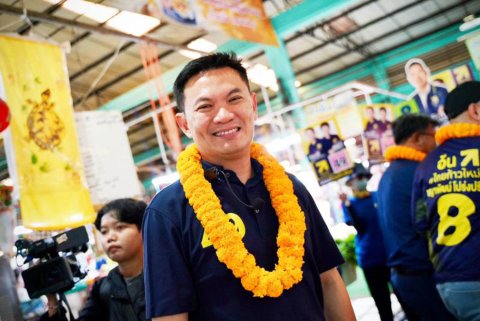
» Thai Kao Mai Party leader Suchatvee Suwansawat entered politics following a career rooted in academia, with education reform at the centre of his political agenda.
The remarkable rise of Rukchanok ‘Ice’ Srinork
Oped, Sanitsuda Ekachai, Published on 06/02/2026
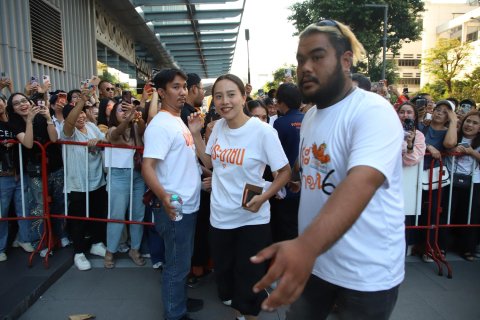
» No matter what happens on Sunday election, one fact is already sealed. Rukchanok “Ice” Srinork, a former lawmaker representing the People’s Party, is now the most popular politician in Thai history. The word “female” is almost redundant.
French national arrested after cocaine sachets found at Phuket airport
Gary Boyle, Published on 06/02/2026
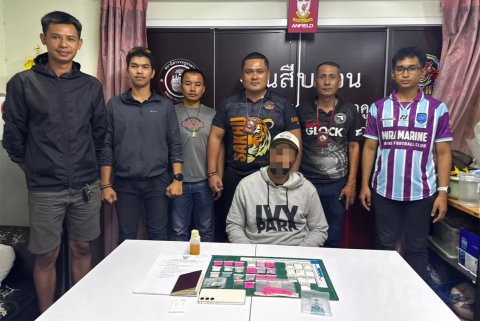
» A 46-year-old French man was arrested after 10 sachets of cocaine were found at on the floor at Phuket International Airport.
French national arrested after cocaine sachets found at Phuket airport
Achadthaya Chuenniran, Published on 06/02/2026
» PHUKET: A 46-year-old French man was arrested after 10 sachets of cocaine were found at Phuket International Airport's domestic departure baggage screening area.
Rethinking global health finance
Oped, Published on 06/02/2026
» For the past half-century, the economics of global health were straightforward. Under the so-called "grant-based" approach, rich countries donate to poor countries, which use the funds to meet their populations' health needs. Success was measured by services provided or lives saved, rather than by balance sheets. While this model was far from perfect, the latest approach replacing it -- focused on using tools like guarantees and blended finance to crowd in private capital -- threatens to produce even worse outcomes.