




Showing 1 - 10 of 12
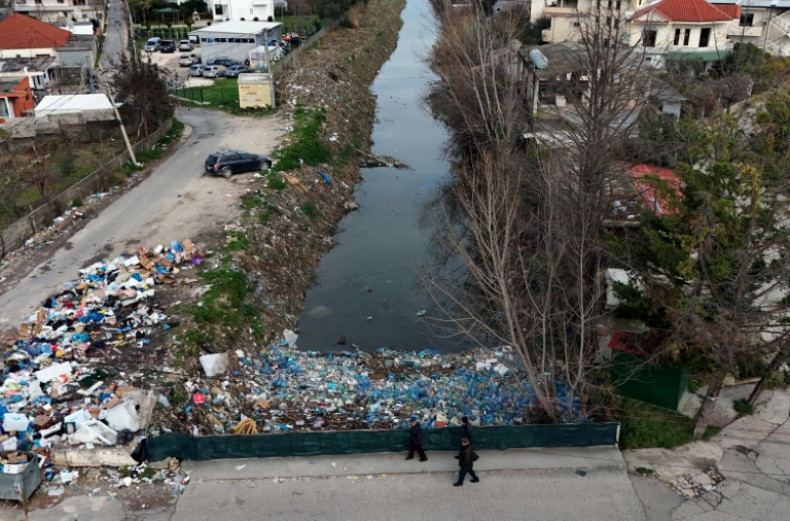
Plastics everywhere, and the myth that made it possible
AFP, Published on 22/01/2026
» WASHINGTON - If there’s one material that defines modern life more than any other, it’s plastic: present from the moment we’re born in newborn stool, in product packaging, in the soil beneath our feet and the air we breathe.
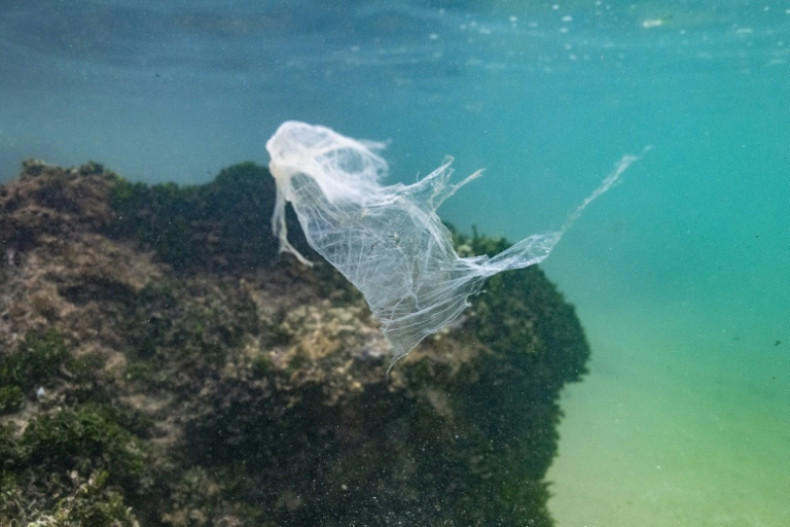
New research measures how much plastic is lethal for marine life
AFP, Published on 18/11/2025
» NEW YORK - Marine animals inevitably eat what we toss in the ocean, including pervasive plastics -- but how much is too much?
Microplastic can be found in almost everything
Life, Published on 26/08/2025
» Dear Doctors: What are microplastics, and where do they come from? They're all over the news, and it's hard to tell if they're a real problem or just another internet scare. One news story said there's an entire teaspoonful of microplastics in our brains. Is this true?

Bots in motion
Oped, Postbag, Published on 20/08/2025
» Re: "First-ever humanoid robot games begin in China", (World, Aug 16).
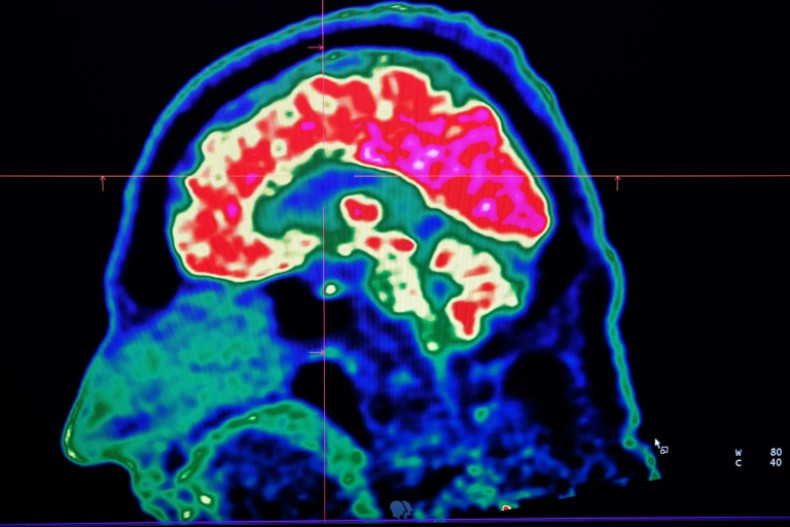
What are all these microplastics doing to our brains?
AFP, Published on 01/08/2025
» PARIS - Tiny shards of plastic called microplastics have been detected accumulating in human brains, but there is not yet enough evidence to say whether this is doing us harm, experts have said.

Saving the planet from the plastic menace
News, Published on 16/09/2024
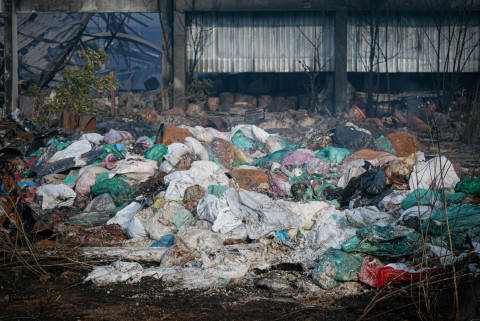
» There is no denying that plastics have delivered tremendous benefits over the past century. But as we now know, this progress has come at great cost.
Bottled water contains more plastic particles than thought - study
Bloomberg News, Published on 10/01/2024
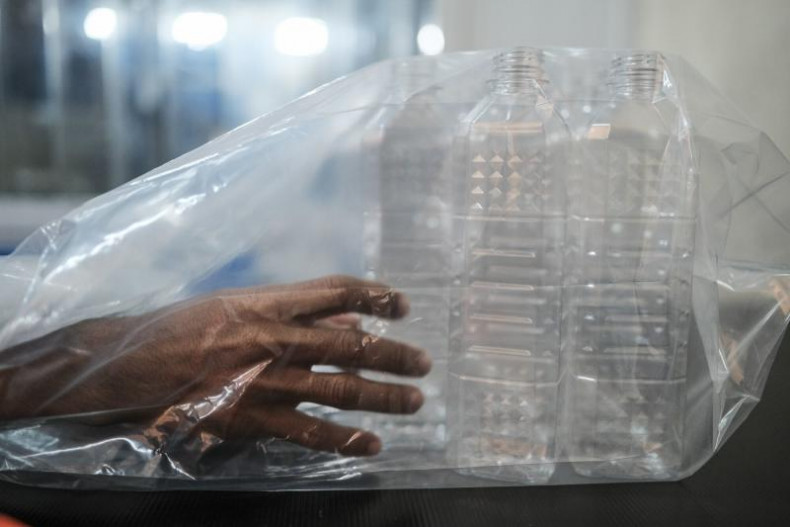
» NEW YORK - A typical one-litre (33-ounce) bottle of water contains some 240,000 plastic fragments on average, according to a new study. Many of those fragments have historically gone undetected, the researchers determined, suggesting that health concerns linked to plastic pollution may be dramatically underestimated.
Meandering along the Seine: France's roving plastic rubbish
AFP, Published on 25/05/2023
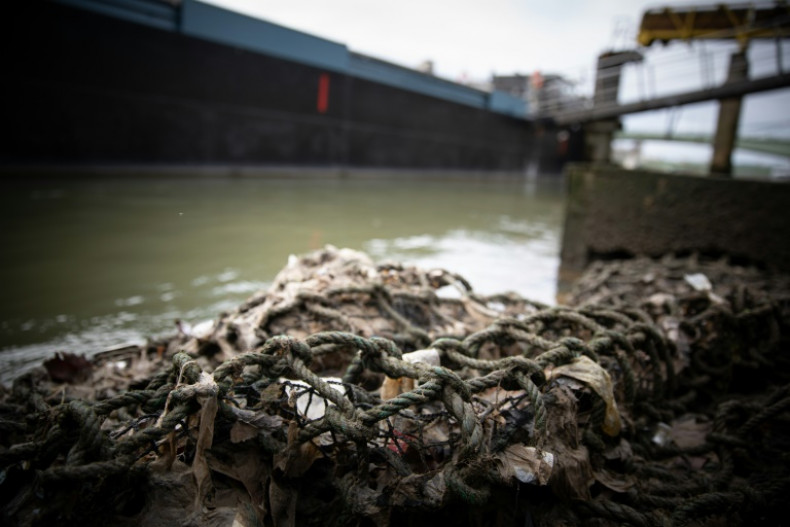
» ROUEN, France: The scrap of red plastic in among the waterside reeds in northern France could be any fragment of the throwaway consumerism piling up across the planet, flowing into rivers, choking animals, even seeping into our bloodstreams.
Plastic arts
Life, Suwitcha Chaiyong, Published on 18/01/2023
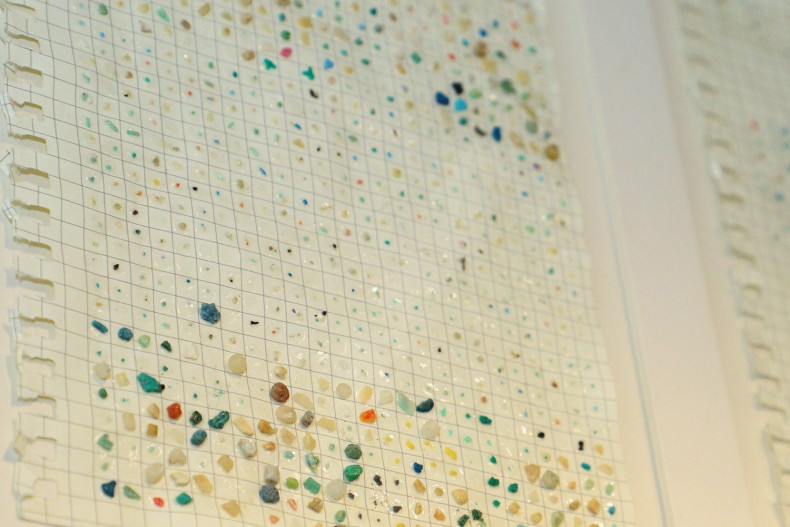
» In 2019, young artist Pratchaya Charernsook became aware of microplastic pollution after news reports of researchers at the Marine National Park Operation Centre finding an average of 78 pieces of microplastics in the stomach of every mackerel they collected from Hat Chao Mai National Park.