



Showing 1 - 10 of 273

TCMA Turns Waste into Value with Co-processing for Net Zero 2050
Published on 05/02/2026
» The Thai Cement Manufacturers Association (TCMA) reaffirmed the role of the cement industry as a key national mechanism in supporting systematic waste management, reducing greenhouse gas emissions and creating economic value through co-processing in cement kilns, under the theme “Turning Waste into Purpose for Net Zero 2050”. The initiative reflects collaboration among all cement producers in Thailand, alignment with government policy, and area-based implementation through the SARABURI SANDBOX, contributing tangibly to Thailand’s Net Zero 2050 ambition.
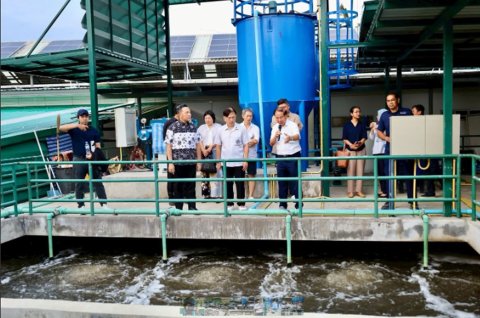
Phuket looks to resort model to tackle waste
Achadthaya Chuenniran, Published on 17/01/2026
» Authorities in Phuket plan to adopt a wastewater and waste management model used by a local resort to address the island’s worsening environmental problems, including more than 1.2 million tonnes of accumulated waste.

When infrastructure meets AI
Oped, Published on 16/01/2026
» Infrastructure investment is booming. Around the world, governments are pouring trillions of dollars into roads, power grids, data centres, water systems, and housing, with many responding to intensifying climate shocks and the growing need for adaptation. Yet the construction industry -- the single largest force physically reshaping the planet -- is among the last major sectors to unlock all the benefits that digital technology offers. As a result, it accounts for about 21% of greenhouse-gas emissions, produces half of global landfill waste, and overspends by US$1.6 trillion a year.
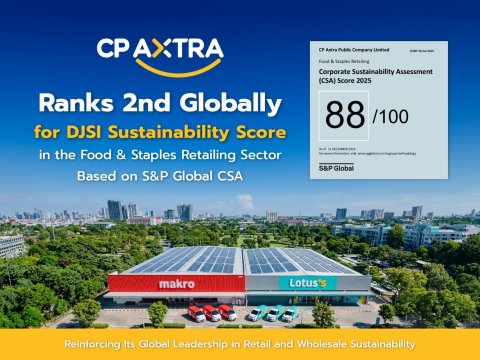
CP AXTRA ranks 2nd worldwide in DJSI Food & Staples Retailing Sector
Published on 06/01/2026
» CP AXTRA Public Co Ltd (CP AXTRA), the operator of Asia’s leading wholesaler and retailer “Makro and Lotus’s,” has achieved outstanding global recognition for sustainability. The company received a score of 88 out of 100 in the 2025 Corporate Sustainability Assessment (CSA) by S&P Global, the organisation responsible for compiling the Dow Jones Sustainability Indices (DJSI). This reflects continued significant improvement from 2023 to 2024, elevating CP AXTRA to 2nd place globally in the Food & Staples Retailing sector.
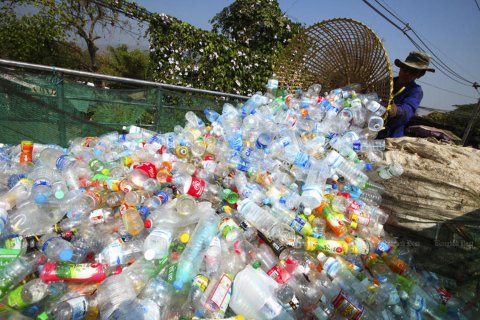
Phatthalung to tackle waste 'crisis'
News, Assawin Pakkawan, Published on 03/01/2026
» Phatthalung has launched an urgent review of the province's worsening waste management crisis after an inspection revealed severe environmental damage from the overloaded municipal landfill.
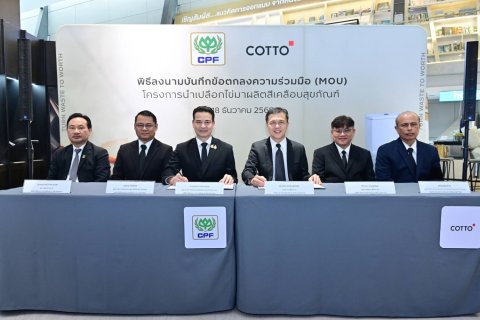
COTTO Partners with CPF to Drive Net Zero Goals and Foster Sustainability
Published on 19/12/2025
» Siam Sanitary Ware Co., Ltd. (COTTO), the leading brand in sanitaryware and surface decoration materials in ASEAN, has entered into a Memorandum of Understanding (MOU) with Charoen Pokphand Foods Public Company Limited (CPF). This partnership aims to repurpose byproducts food industry, with a focus on eggshell waste, into sustainable, eco-conscious sanitaryware products, aligning with both organisations’ commitments to the Circular Economy and their shared Net Zero goals.
TCMA Pushes Co-Processing to Strengthen Thailand’s NDC 3.0
Published on 19/12/2025
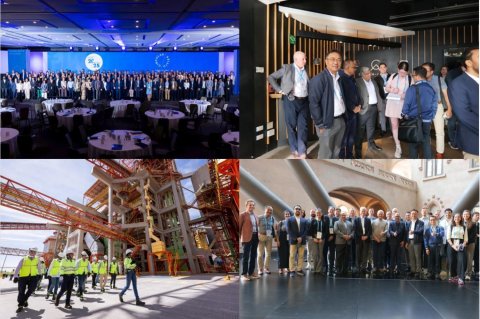
» The Thai Cement Manufacturers Association (TCMA) has reiterated its commitment to steering the nation’s cement sector toward its Net Zero 2050 goal, highlighting “Co-Processing in cement kilns” and circular economy as key mechanisms for reducing greenhouse gas emissions and to leverage lessons learned from Mexico’s national waste management model to strengthen global collaboration and support the implementation of Thailand’s NDC 3.0 targets.
Locals' deaths renew old waste crisis concerns
News, Achadthaya Chuenniran, Published on 15/12/2025
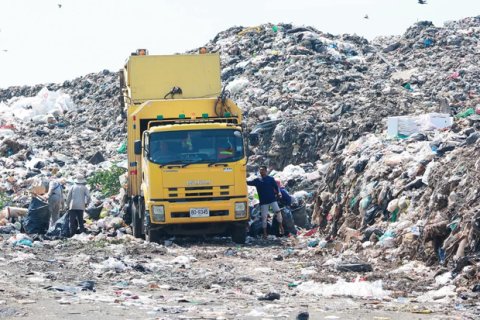
» Phuket vows to tackle a growing waste crisis after residents near a landfill and incinerator warned of serious health and environmental impacts.
QSNCC partners with SCIeco by turning waste into Value
Published on 11/12/2025
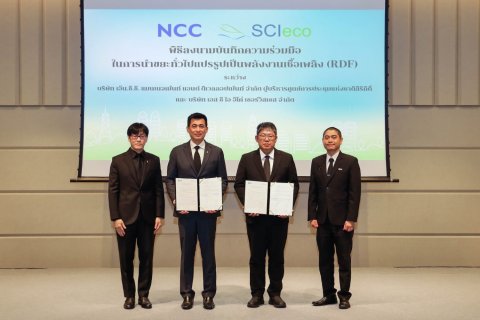
» The Queen Sirikit National Convention Center (QSNCC) has signed a Memorandum of Understanding (MOU) with SCIeco Services Co., Ltd., under SCG, to elevate its internal waste management through a comprehensive “Waste-to-Value” model. This collaboration introduces advanced technology that transforms general waste into Refuse-Derived Fuel (RDF), significantly reducing landfill waste and accelerating QSNCC’s journey toward its Net Zero 2050 goal.
Shenzhen, China's land-starved tech hub, making space by moving massive landfill
Published on 08/12/2025
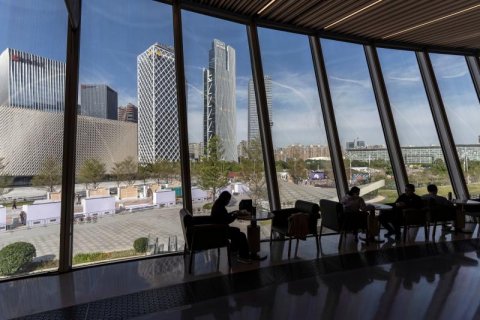
» The southern Chinese megacity of Shenzhen, a symbol of the country's rapid urbanisation and development, has spent decades transforming urban villages and tenement blocks into dense public housing estates and massive industrial and office parks.