




Showing 1 - 10 of 10,000
Their Majesties to visit Sweden for King Carl XVI Gustaf’s 80th birthday
Online Reporters, Published on 26/04/2026
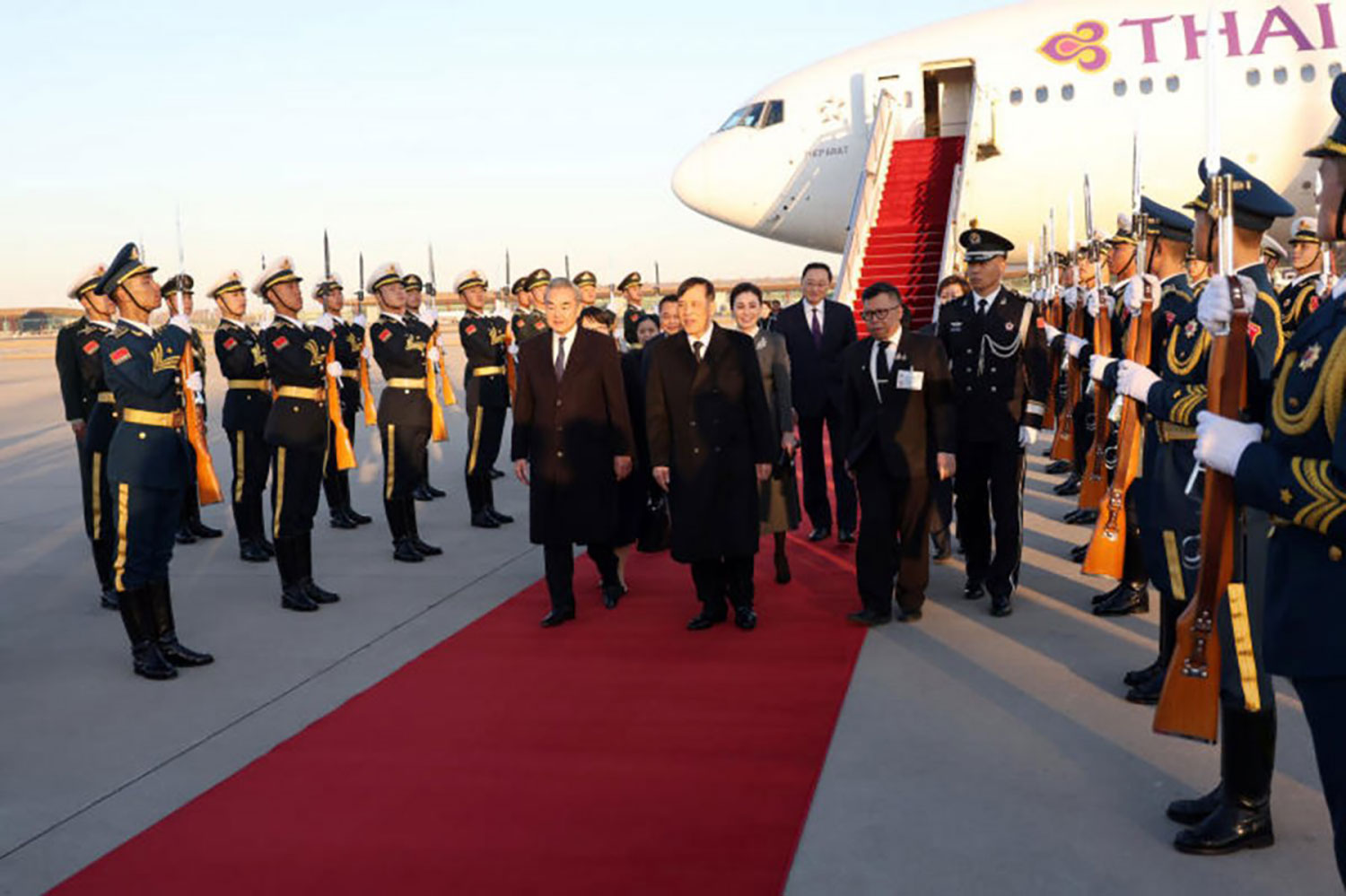
» Their Majesties the King and Queen will make an official visit to Sweden from April 29 to May 2 at the invitation of King Carl XVI Gustaf, to attend events marking the Swedish monarch’s 80th birthday.

Govt plans 4,000 baht aid rollout
Apinya Wipatayotin, Published on 26/04/2026
» The government's new "Thai Help Thai Plus" subsidy programme is expected to be submitted to the cabinet in May and rolled out in June, with each eligible participant receiving 1,000 baht per month for four months, totalling 4,000 baht.

Expert warns against raising debt ceiling to 75%
News, Post Reporters, Published on 26/04/2026
» An academic opposes a proposal to raise the public debt ceiling to 75% of GDP, warning it could burden the country with rising debt and risk a credit rating downgrade.

Pheu Thai at a crossroads
Published on 25/04/2026
» The Pheu Thai Party finds itself at a pivotal crossroads as it attempts to rebuild momentum after a bruising electoral setback, with its prime ministerial candidate, Yodchanan Wongsawat, now positioned — somewhat uneasily — as the public face of a party in transition.

Cartoon case tests S112
News, Editorial, Published on 25/04/2026
» A legal complaint against a well-known comic artist over a cartoon loosely based on the life of an Ayutthaya king for allegedly breaching Section 112, or the lese majeste law, highlights the need to update both the law and its legal processes.

Struggling to decode fog of war
Business, Published on 25/04/2026
» The Strait of Hormuz crisis has entered a dangerous new phase, illustrating Carl von Clausewitz's dictum that war is the realm of uncertainty.

Parents still struggle with uniform fees
News, Prasit Tangprasert, Published on 25/04/2026
» Rising living costs are intensifying pressure on families as education reforms ease school dress rules nationwide, yet household spending remains high.

People’s Party vows to mount strong defence
Online Reporters, Published on 24/04/2026
» Ten People’s Party (PP) MPs vowed on Friday to fight a Supreme Court case to the fullest extent over allegations tied to a proposed amendment to Section 112 of the Criminal Code, the lese-majeste law.

Your horoscope for April 24-30
Guru, Chaiyospol Hemwijit, Published on 24/04/2026
» Your spot-on horoscope for work, money and relationship from Guru by the Bangkok Post's famously accurate fortune teller. Let's see how you will fare this week and beyond.
Loan decree 'may be needed'
News, Aekarach Sattaburuth, Published on 24/04/2026
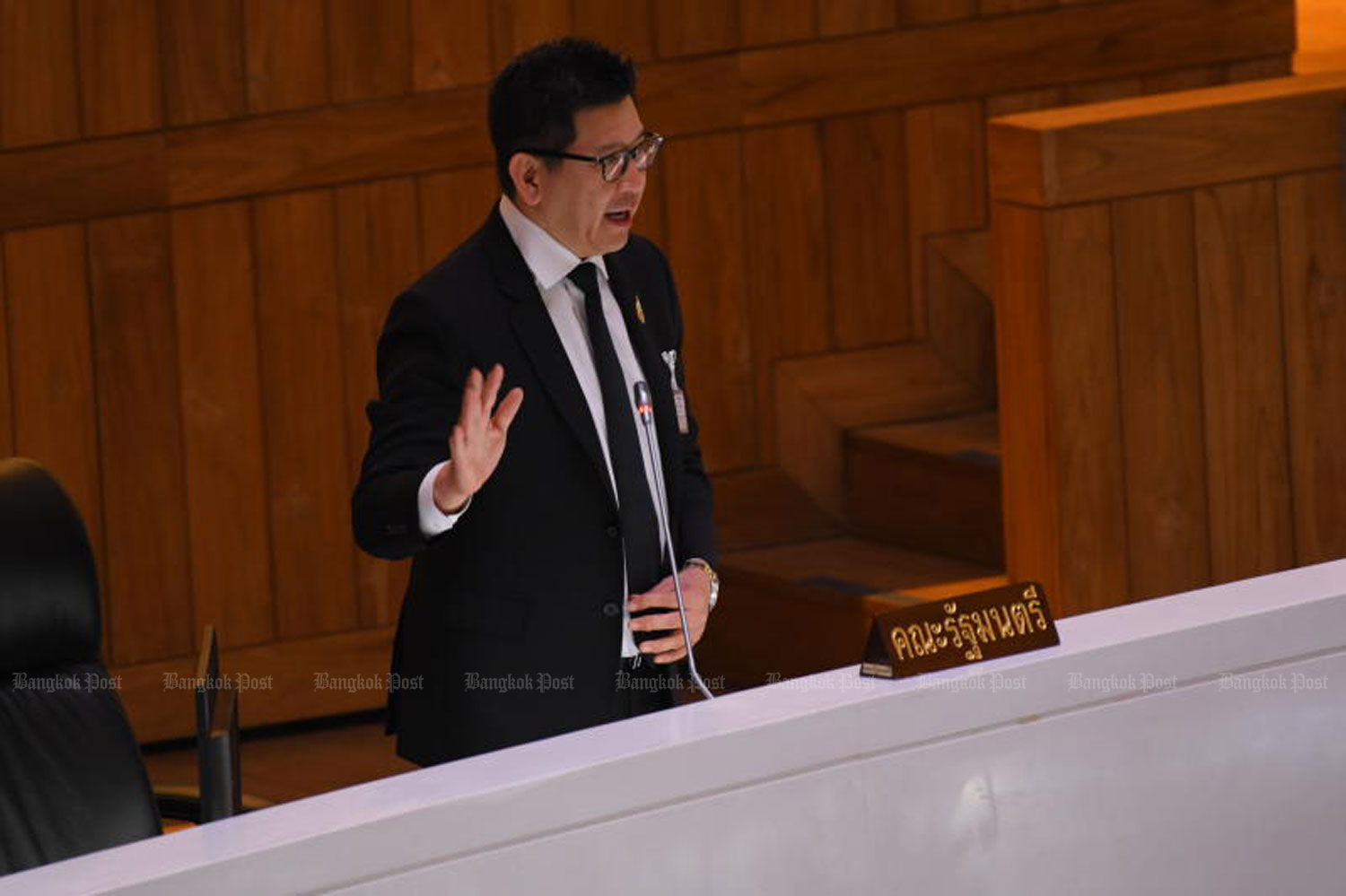
» Finance Minister Ekniti Nitithanprapas admitted that the government may need to issue an emergency loan decree if funds reclaimed from last year's budget prove to be insufficient to support citizens during the ongoing global energy crisis.